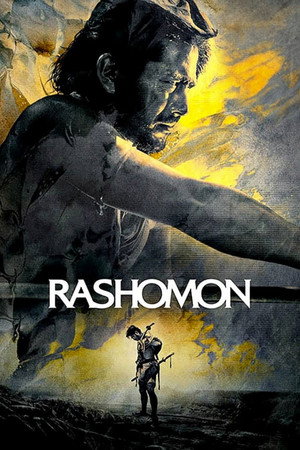
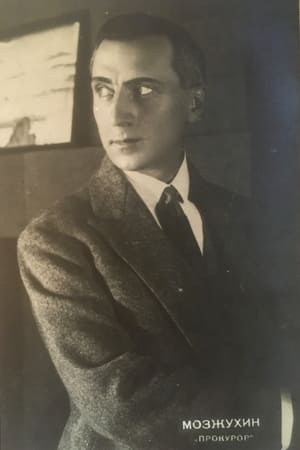
Four people recount different versions of the story of a man's murder and the rape of his wife.
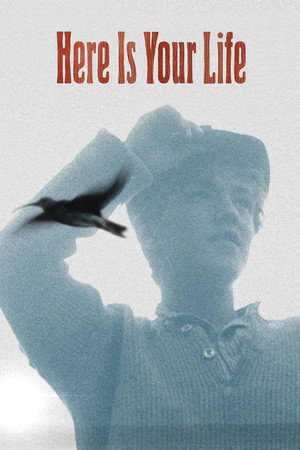
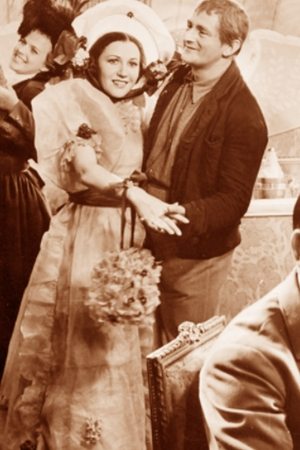
A working class teenager comes of age in 1910s rural Sweden, moving through a series of jobs and romances that gradually shape his future.
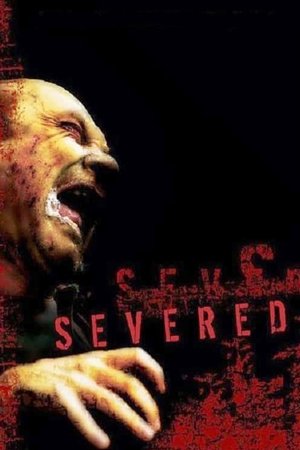
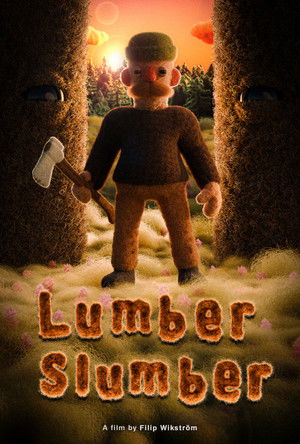
A multi-national forestry company engages in genetic experimentation to increase logging yield in a remote section of forest...
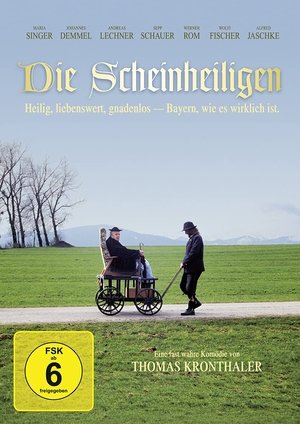
The starting point is the small (and real) town of Daxenbrunn, which has the misfortune of being located right on the highway to Salzburg. But Mayor Matthias and his friend and district administrator Dr. Seigis see the seemingly unfavorable geographical location as an opportunity to fill the empty coffers -- "Hendl, mehr sog I ned". A highway grill is supposed to redevelop the area, but in addition to the building permit, the land is also needed, and this is defended to the death by the old and stubborn farmer's wife Magdalena (great: Maria Singer) with weapons (!). Events come thick and fast when, almost simultaneously and independently of each other, art carver Johannes and asylum seeker Theophile turn up in the sleepy village and turn the local order upside down with their unflinching attitude.
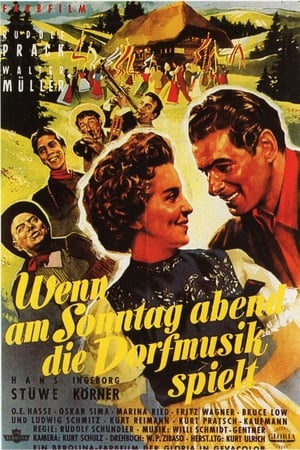
When the successful trumpeter Jonny has nearly all his concert earnings seized by tax collector Weber, he has had enough: he packs up his trumpet and travels to the Black Forest. Along the way, he encounters the musical vagabonds Tünnes and Nachtigall; he initially gives them a lift, but after his car is also confiscated by the police, he walks with them to the village of Todtmoos. There, he checks into a guesthouse and promptly falls in love with the innkeeper's daughter, Rosl.
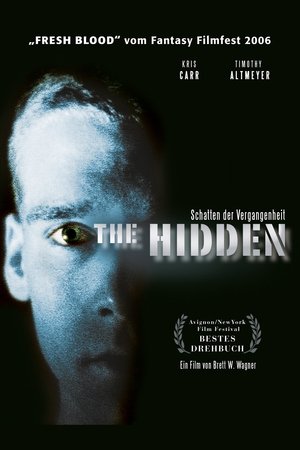
Simon, a prison guard at St. Mau, loses the trust of his inmates after a tragic accident during a routine chase. Years later, haunted by his damaged reputation, he falls into self-destructive habits in a desperate bid to reclaim his lost esteem. Unexpectedly, he reunites with Lena in a dangerous, abandoned site, forcing him to confront his past mistakes.
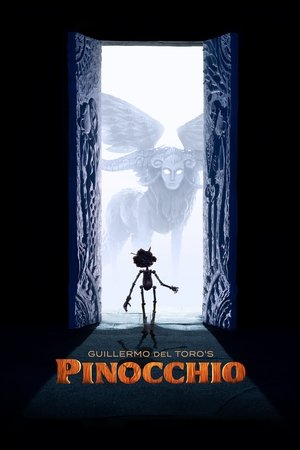
During the rise of fascism in Mussolini's Italy, a wooden boy brought magically to life struggles to live up to his father's expectations.
The corpse of a woman is found in front of Maria’s apartment window. She agrees to take charge of the funeral, becoming involved in her neighbour’s existence. Maria adopts the woman’s unattended dogs and forms a bond with her estranged son. After the burial, Maria tries to reclaim her own life back, but a haunting feeling lingers.
Lumber Slumber
Roberto Benigni adapts the classic children's tale by Carlo Collodi for the big-budget family-oriented comedy Pinocchio.
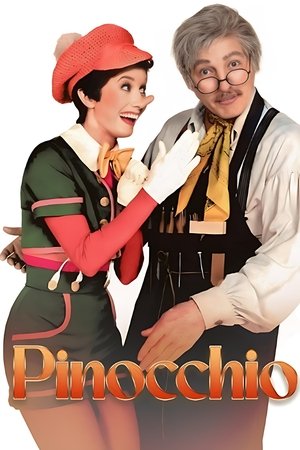
This musical adaptation of Pinocchio from 1976 features the incomparable talents of Danny Kaye, Sandy Duncan, Flip Wilson, and Clive Revill. Framed by the story of a young theater girl's desire to study and work apart from her father, the story of Pinocchio is presented as a subplay with the young girl as Pinocchio (Sandy Duncan) and her father as Geppetto (Danny Kaye). The famous Carlo Collodi story of a lonely woodcutter whose marionette comes to life is presented faithfully and engagingly.
Sumathi, a village girl, falls in love with a tailor. But problems start brewing in their lives when her father does not approve of their relationship.
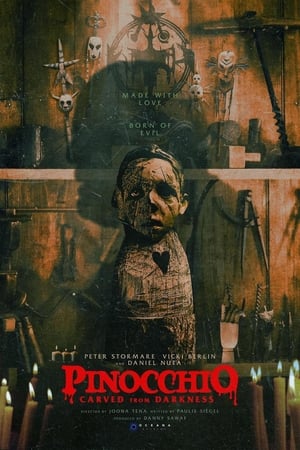
Woodcarver Geppetto carves a puppet resembling his recently deceased son from a block of wood discarded at a crime scene, and it's cursed by Agatha, the priestess of a dark cult. As Pinocchio turns into a vengeful killer, teenage Charlie and his mother Nancy arrive in the town looking for a fresh start. Meanwhile, a detective named Georgina starts investigating Agatha’s crimes. The characters intertwine with some tragic consequences.
The Bapst Brothers: Romain, Maurice and Jacques – whom we will also meet in The Gruyere Chronicle (produced in 1990) – are peasants and carriers and work with their father. In autumn and winter, they bid for the community’s wood, cut down the pine trees and bring down the logs through the snowy woods by horse-drawn sleigh.
A documentary set in Firanghi Mahal, an institution for rationalist Islamic scholarship founded in the late 17th century. Through two women, Sughra Fatema and her niece Khadija Ansari, it tells the unknown stories of women and their struggles to find their own ways of being in a time of dramatic changes. One wrote poetry to express herself and the other became a student activist who went to jail for being a revolutionary.
When a gallery of paintings becomes emptied of its spectators, the curtains raise within the paintings.
A retiring detective tries to discover the identity of a half charred woman found in front of a District Attorney's boat who is pursuing a child serial killer.
Ali Kemal and Vahi, two childhood friends striving to realize their dreams, aim to make a Yeşilçam film. Although the two friends, who devoted themselves to their work during Yeşilçam's most dynamic and popular period, thought their task would be easy, as they became more familiar with the industry, they realized that it was a much more complex and large-scale system.
The People on the Grassland is one of the earliest “minority nationality films” produced in the PRC. It features Mongolian herders who serve the people in the struggle against the forces of the KMT. The film was released in China in 1953 and became particularly well-known for its songs and theme-music.
After 20 years Moni (38) returns home to her sister Silke who has been attacked by a stranger. Moni is willing to do anything possible to find the attacker and to protect her sister. But is that really what Silke (34) wants? And if so, who is actually the one, to be protected? And above all, protect from who? And which role does the offender René (38) play, who doesn't even understand why he did it. A melancholic film that plays with three different perspectives and constantly reinvents itself while searching for answers.