WCW Saturday Night is the place to see the top WCW Superstars of the 1990s competing in the ring and giving unforgettable interviews.
In a close-knit Georgia community, a family-owned wrestling promotion finds two brothers and rivals war over their late father’s legacy. In the ring, somebody must play the good guy and somebody must play their nemesis, the heel. But in the real world, those characters can be hard to live up to (and just as hard to leave behind).
WCW WorldWide was a syndicated TV show produced by World Championship Wrestling.
WWE Velocity was a professional wrestling television program produced by World Wrestling Entertainment. It replaced two syndicated WWE shows, Jakked/Metal. Once a weekly Saturday night show on Spike TV and on Sky Sports 2 in the UK on Sunday mornings, Velocity became a webcast from 2005 to 2006. The newest episode would be uploaded to WWE.com on Saturdays and be available for the next week. Older webcast episodes were also archived. It was the counterpart show to WWE SmackDown and WWE Raw and was recorded before the television taping of SmackDown. Get up to speed on the week's high-octane events from the SmackDown brand and see exclusive matches only on WWE Velocity.
A professional wrestling television program produced by the World Wrestling Federation banner on NBC airing in place of Saturday Night Live. The series was made up entirely of star vs. star bouts in a time when weekly programming consisted primarily of established stars dominating enhancement talent.
WCW Thunder was a professional wrestling show produced by World Championship Wrestling.
The biggest WWE Superstars of the late 1980s and early '90s settle their differences in the ring on "Wrestling Challenge"; featuring exciting matches and memorable interviews, this weekly television series captures an important era of WWE history.
WCW Arena Shows takes you into the heart of classic professional wrestling, featuring intense matches, fierce rivalries, and unforgettable moments that defined a golden era of the sport.
WWE's flagship show of the early-90s featuring great in-ring action, news from the world of sports-entertainment, and more.
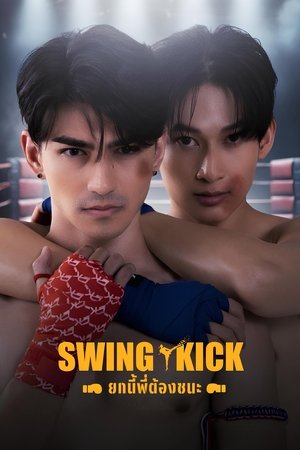
A popular Muay Thai boxer is drugged before a fight and sees his career ruined. While drinking heavily, he meets a young man, with whom he has a one-night stand, only to discover that he is the new mentor at his boxing gym. As their paths intertwine, they begin a romance.
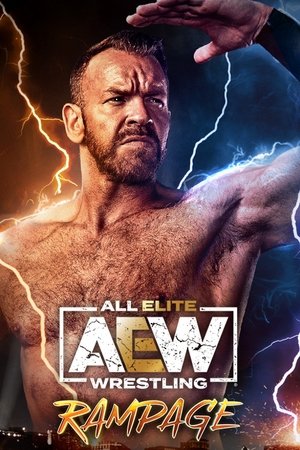
AEW: Rampage, also known as Friday Night Rampage or simply Rampage, is a professional wrestling television program. It is produced by the American promotion All Elite Wrestling (AEW) and airs every Friday at 10pm ET on TNT in the United States. It is AEW's second weekly television show, positioned behind their flagship show, Dynamite.
The Superstars of ECW show off their hardcore skills and in-ring technical wizardry in this one-hour television series.
Feel the heat of the Attitude Era as WWE Superstars such as "Stone Cold" Steve Austin and The Rock compete in exclusive matches.
WCW's flagship show led to the famous Monday Night War. Featuring the nWo, Lex Luger, Ric Flair, Sting, and the Cruiserweights.
At a time when matches between big-name Superstars are usually only seen on pay-per-view, WCW presents Clash of the Champions on free TV.
All of the WWE Superstars are fired and sent to Slam City to find day jobs. Plunged into new career challenges, they pack every street corner with work to do and scores to settle.
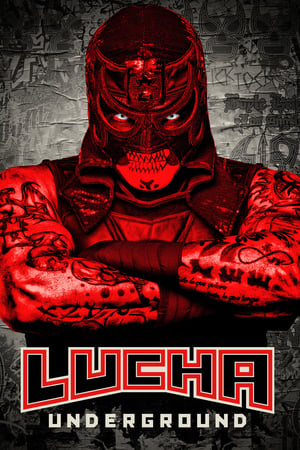
Lucha Underground introduces U.S. audiences to the high-flying, explosive moves of lucha libre. An ancient combat tradition, watch as good and evil wage war in a gritty battleground called “The Temple.”
ECW was a professional wrestling television program for WWE, based on the independent Extreme Championship Wrestling promotion that lasted from 1992 to 2001. The show's name also referred to the ECW brand, in which WWE employees were assigned to work and perform, complementary to WWE's other brands, Raw and SmackDown. It debuted on June 13, 2006 on Sci Fi in the United States and ran for close to four years until it aired its final episode on February 16, 2010 on the rebranded Syfy. It was replaced the following week with WWE NXT.
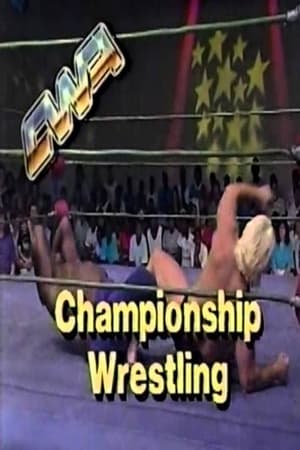
Jerry Jarrett's Continental Wrestling Assocation (CWA) Wrestling show on WMC-TV, later renamed to "Championship Wrestling Association" and keeping the same CWA name around the time Jerry Lawler joined Jerry Jarrett in running the show. After Jarrett and Lawler purchased the rights to World Class Wrestling Association's "World Class Championship Wrestling" shows in the Dallas area, both the Dallas shows and the CWA show were rebranded under the "United States Wrestling Association" name. This show was rebranded to "USWA Championship Wrestling." The show ended in 1997.
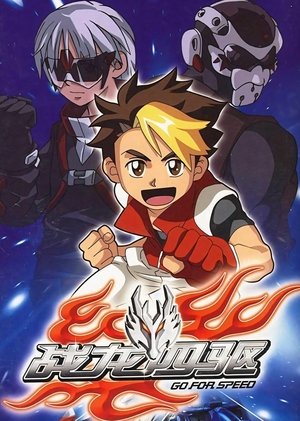
In all four-wheel drive races, Honoka Tōshiba only uses the chariot left by his brother, so he can feel like fighting alongside his brother. Until one day, Alien is finally defeated and destroyed by another four-wheel drive driver. This shock made Honoka suddenly feel lonely and helpless, and even thought about giving up his favorite mini four-wheel drive. Fortunately, there are a group of friends around him who continue to encourage and support him, so Honoka once again Cheer up, he knows that he wants to work hard for the national championship. This is the purpose of his brother leaving the chariot to him. Maybe, the day he raises the championship trophy, his brother will come back to him... But , The difficulties ahead are definitely beyond Honoka’s imagination. Stretch, who broke with his father that year, has become a powerful new force in the mini four-wheel drive world. His racers and chariots are super strong and powerful. Unfathomable, and they all came to defeat Honoka!