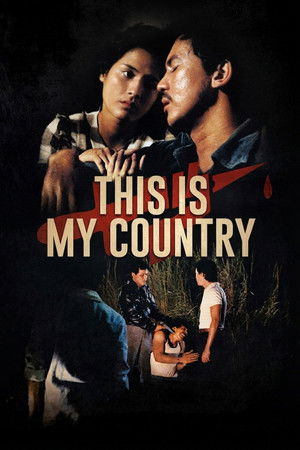
The Harbour shows how two brothers end up on opposing sides of this system. One becomes the leader of an employer’s gang of thugs, while the other becomes an activist. All the while, the women in their family go hungry and the community is ravaged by violence and alcoholism.
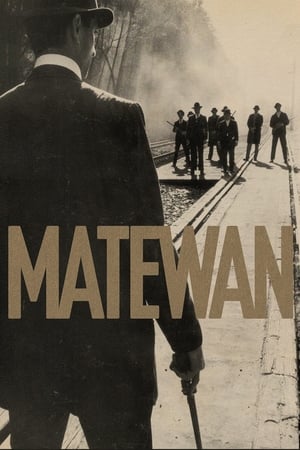
Filmed in the coal country of West Virginia, "Matewan" celebrates labor organizing in the context of a 1920s work stoppage. Union organizer, Joe Kenehan, a scab named "Few Clothes" Johnson and a sympathetic mayor and police chief heroically fight the power represented by a coal company and Matewan's vested interests so that justice and workers' rights need not take a back seat to squalid working conditions, exploitation and the bottom line.
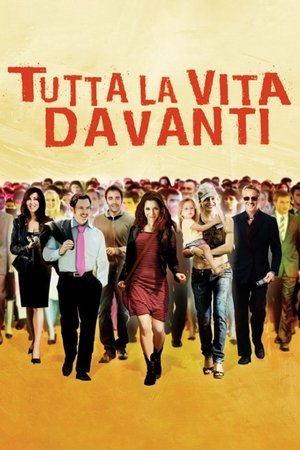
25-year-old philosophy major Marta faces the ugly truth for many young Italians — a complete lack of career opportunities. While babysitting for single mother Sonia, she starts to work as a telemarketer, experiencing first-hand the fanatical and exploitative rat-race culture pushed on employees while quickly rising through the ranks of the company. Around her revolve people like delusional supervisor Daniela, her womanizing boss Claudio, fragile coworker Lucio "2", and well-meaning but inconsistent union rep Giorgio.
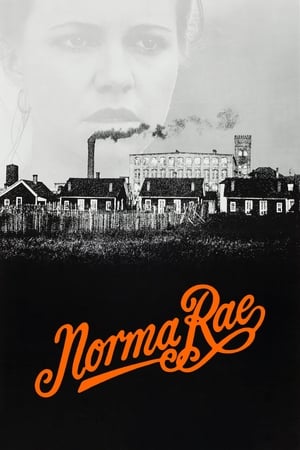
Norma Rae is a southern textile worker employed in a factory with intolerable working conditions. This concern about the situation gives her the gumption to be the key associate to a visiting labor union organizer. Together, they undertake the difficult, and possibly dangerous, struggle to unionize her factory.
Schuylkill County, Pennsylvania, 1876. A secret society of Irish coal miners, bond by a sacred oath, put pressure on the greedy and ruthless company they work for by sabotaging mining facilities in the hope of improving their working conditions and the lives of their families.
A complex web of emotions which unfolds the grounding difference between love & predilection. An underlying, but prominent current of class difference between Indrajit & Zoya, brings clarity to the waters that they're in.
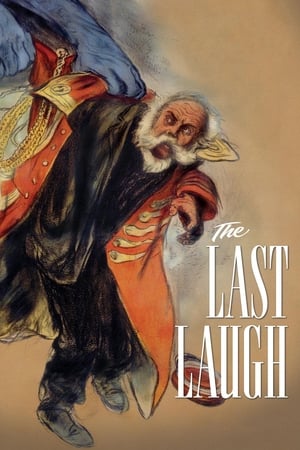
An aging doorman, after being fired from his prestigious job at a luxurious hotel, is forced to face the scorn of his friends, neighbours and society.
Six widows demand compensation for the death of their husbands, who were killed during a worker's strike. The women are arrested and taken to the police quarters, where the authorities try to make them retract their statements, but it turns out they're not so easily intimidated.
Like most of the people in her town, Karen Silkwood works at the local nuclear plant producing highly radioactive plutonium. Exposed one day to a lethal dose of radiation, Karen faces the blank walls of corporate indifference and denial. As her illness increases, her protest grows louder and she becomes an obvious danger to the powers that be.
Workers in a factory in pre-revolutionary Russia go on strike and are met by violent suppression.
Portugal, 1944. In a country oppressed by a brutal dictatorship, there are those who resist and mobilize the people to fight for bread and freedom, even if it cost them prison, torture or their lives.
Emma Freese is desperate when her husband Alfred falls ill at the Howaldtswerke in Kiel. How is the family supposed to get by without their wages? The war has scarred this generation, but now things are supposed to be looking up. The workers want their fair share and are fighting for an income that also gives them room to live. In October 1956, 34,000 metalworkers in the shipyards and factories of Schleswig-Holstein walk off the job to fight for justice and their dignity. This strike is still regarded as the toughest and longest in Germany. Employers and politicians stand in the strikers' way.
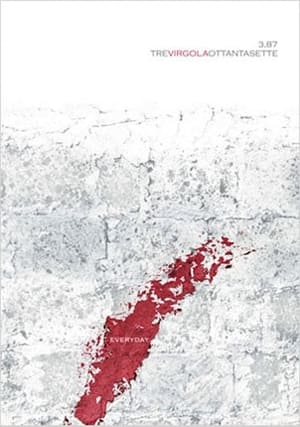
During 2004 alone, 1400 people in Italy died at their workplace, 3.87 per day. Andrea is one of them.
In a company trading maté, workers are treated as slaves. Some of them try to escape, but those who are caught suffer severe punishments.
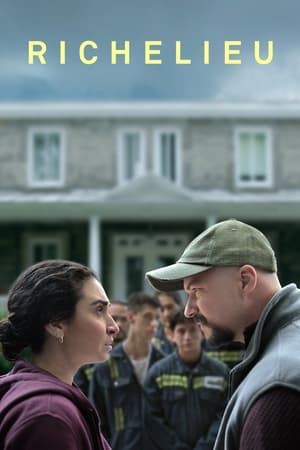
A French-to-Spanish interpreter working for a food processing plant that hires seasonal workers from Guatemala is, at first determined to obey the sometimes excessive directives of the young boss, but she befriends the workers and tries to defend them against the exploitation they suffer.
When a group of young filmmakers witness and film a crime of passion, the most outrageous blackmail of the century begins. By means of a fantastic plan, the filmmakers send to the murderer, a financial and industrial big shot, a copy of the movie that incriminates him and they demand him an improvement of the standard of living for the working class.
In the 1920s, female workers in a factory paint fluorescent watch dials. Mollie, the newcomer, makes a mistake that forces her colleagues to work with her through the night. Deprived of the evening ball they were supposed to attend, they end up improvising their own ball in the factory…
A laborer gets money for his wife's pregnancy from his boss on the condition that he will not join the union.
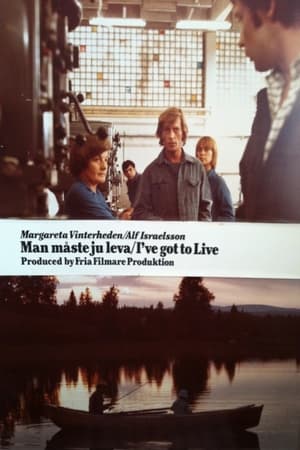
The sawmill in a northern Swedish village close down. Nils becomes unemployed. In order to cope with needs of his family, he is forced to travel south. His wife Karin and the children will stay in the village until further notice. Nils starts working at a factory. In addition to the job, he has been promised a good residence so that the family can move to him.
Three women share their experience of navigating the app-world in the metro city. The sharings reveal gendered battles as platform workers and the tiresome reality of gig-workers' identities against the absent bosses, masked behind their apps. Filmed in the streets of New Delhi, the protagonists share about their door-to-door gigs, the surveillance at their workplaces and the absence of accountability in the urban landscape.