Casimê Celîl was born into a Yezidi Kurdish family in 1908, in a village called Kızılkule, located in Digor, Kars. The village and family life, which he longed to remember throughout his life, ends with the massacre they endured in 1918. During his long road to Erivan, Armenia, he lost all his family members. Left all alone, Casim was placed into an orphanage and was forced to change his name. To remember who he was and where he came from, every morning he repeated the mantra “Navê min Casim e, Ez kurê Celîlim, Ez ji gundê Qizilquleyê Dîgorê me, Ez Kurdim, Kurdê Êzîdî me”, which translates to: “My name is Casim, I am the son of Celîl, I come from the village of Kızılkule in Digor, I am a Kurd, and I am Yezidi”. He clings to every piece of his culture he can find, reads, and saves whatever Kurdish literature or art he comes across. As the year’s pass, Casim finds himself with an impressive collection of Kurdish culture and history.
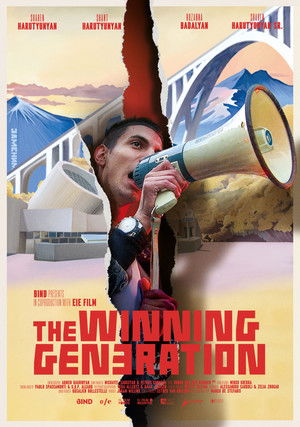
On Easter 2018, a man put on a backpack and began to walk across Armenia. His mission: to inspire a velvet revolution and topple the corrupt regime that enjoys absolute power in his former Soviet nation. With total access to all key players, this documentary tells the story of what happened in the next 40 days.
Documentary chronicling the government relocation of 10,000 Navajo Indians in Arizona.
Hansel's grandfather's wife died. They have lived together for over fifty years. For three years he has been living alone, cannot find a place for himself and constantly misses her.
Nima Yooshij (Iranian poet) for his son’s 1st birthday. He says: “my son, by now, you have seen a spring, a summer, an autumn and a winter. From this point on, everything is simply a repetition except kindness.”
Es geht um Alles
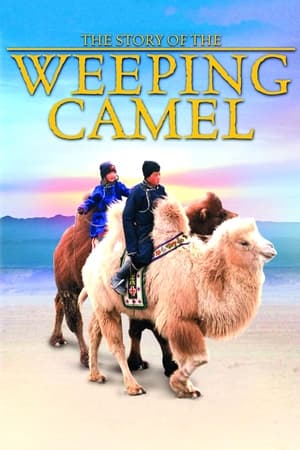
When a Mongolian nomadic family's newest camel colt is rejected by its mother, a musician is needed for a ritual to change her mind.
Filmmaker Binevsa Bêrîvan travels to Armenia to capture the daily life, customs, and history of the country's Yazidi Kurdish community.
Jabir, Usama and Uzeir are three young brothers in a Sunni family of shepherds. Since childhood, their father Ibrahim has rigidly trained them in the principles of the Quran and has filled their minds with stories of the Bosnian War.
Wolves divide and fascinate us. 150 years after they were driven to extinction in Central Europe, they are returning slowly but inexorably. Are they dangerous to humans? Is it possible to coexist? Using Switzerland as a point of departure, where wolves have returned in the very recent past, this documentary sheds light on the wolf situation in Austria, eastern Germany, Poland, Bulgaria, and even Minnesota, where freely roaming packs of wolves are more common sight.
Cuviví is the Ecuadorean indigenous name for the upland sandpiper, a wading bird that has special significance for the communities living around the Ozogoche lakes in the middle of the Andes. Each year, these birds migrate south from North America. Around September they pass the Ozogoche lakes, where large numbers then “commit suicide,” plunging from great heights into the ice-cold water. A girl lives near the lake. Her uncle lives in the US, and she might be heading there herself. In the meantime, she awaits the arrival of the cuvivís, few of which have appeared in recent years. The lakes are drying up.
This film follows the lives over one year, shot during three intervals, of two Basque shepherding families who live in Santazi, a village in the foothills of the French Pyrenees. The film is the only Disappearing World film made in western Europe and it focuses on the continuity and change in the community. This film shows the rationality behind the choice the villagers are making.
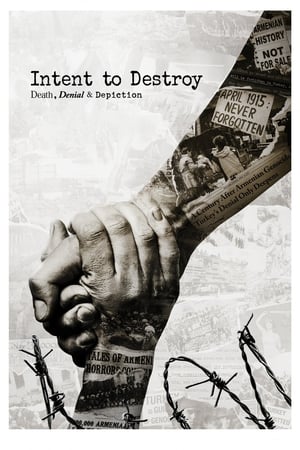
INTENT TO DESTROY embeds with a historic feature production as a springboard to explore the violent history of the Armenian Genocide and legacy of Turkish suppression and denial over the past century.
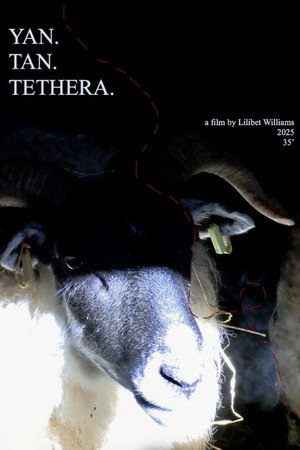
An eight-hour contemplative epic, entirely starring sheep.
Part of a travelogue series, this films visits to Derry, the Giant’s Causeway, Carrick-a-Rede, Mount Stewart and Belfast.
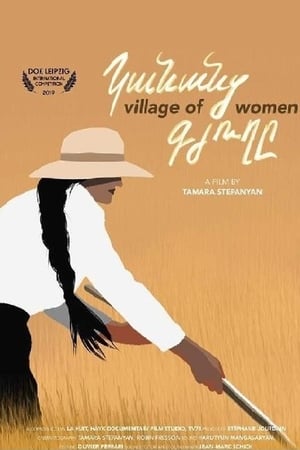
Only women, children and old people live in this Armenian village, while the men work in Russia. A life with a rhythm of its own, an independent daily life marked nonetheless by exile.
The Australian Chamber Orchestra has always forged its own path. With Artistic Director and violinist Richard Tognetti at the helm, the ACO has been producing films for over a decade, from their award-winning collaborations with BAFTA-nominated director Jennifer Peedom (‘Mountain’, ‘River’) to their acclaimed series of cinematic music films, ‘ACO StudioCasts’. Directed by Matisse Ruby, ‘The Four Seasons’ film release is the latest from this ground-breaking, world-renowned ensemble. Arguably the most popular and recognisable piece of classical music ever written, this performance directed by Richard Tognetti, highlights the profound symbiosis between Vivaldi’s Venice and the Middle East. Interspersing Vivaldi’s masterpiece with music by Australian-Egyptian composer and Oud virtuoso Joseph Tawardros, the film honours Vivaldi’s classic while giving it new life. A must-see for music lovers and cinephiles alike.
An elaborate ceremony marks the opening of the first Armenian church in England.
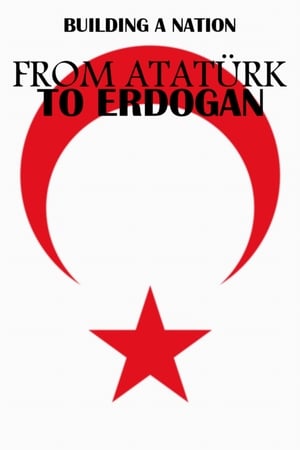
Turkey's history has been shaped by two major political figures: Mustafa Kemal (1881-1934), known as Atatürk, the Father of the Turks, founder of the modern state, and the current president Recep Tayyıp Erdoğan, who apparently wants Turkey to regain the political and military pre-eminence it had as an empire under the Ottoman dynasty.
The Falcons is an intimate, observational documentary that delves into the world of the Tshakhruk Ethnoband, a remarkable musical ensemble in the Armenian highlands. Comprised of special-needs children that reside at the state orphanage, these young musicians find solace, strength, and self-expression through the transformative power of music.