In the 2000s, Vicente Viloni and La Masa became legendary wrestling rivals and idols for kids across the country. The hit television show "100% Lucha" brought a spectacle of skill and drama to every home, forging a famous rivalry that transcended the screen, leaving a mark on national culture. After the conflict that separated them for ten years, they face each other in the ring and relive great moments from their careers.
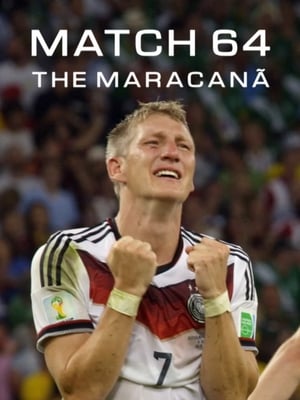
A documentary following the day life of fans in Brazil on July 13, 2014: the day when Germany and Argentina met up in the finals of FIFA World Cup.
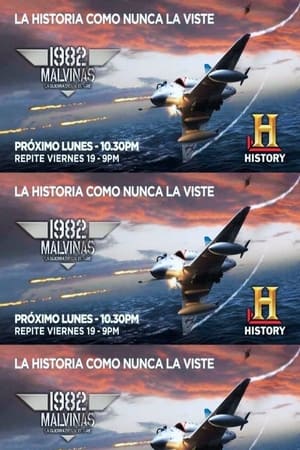
1982 Malvinas, La guerra desde el aire
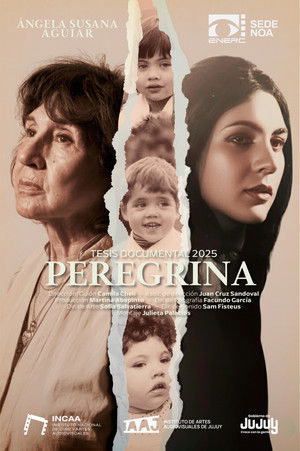
In December 2024, Ramón Inama received a phone call that would change his life: after nearly thirty years of searching, his sister, one of the nearly 500 babies stolen during Argentina’s last military dictatorship, had been found.
Documentary that describes month by month the fall of the self-proclaimed National Reorganization Process, the dictatorship that governed Argentina for seven years. In addition, we trace the path of the candidates towards the presidential elections, the socio-economic chaos that was experienced at that time, the media, the artistic references and the world of sports, until the arrival of democracy.
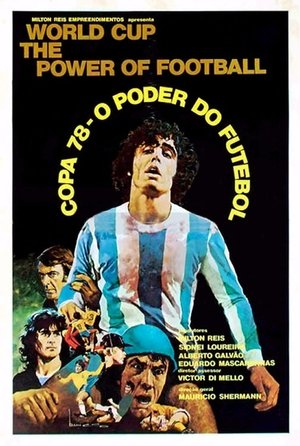
Documentary about the Football World Cup held in Argentina in 1978, focusing on the competition and behind the scenes of the most important soccer competition in the world. Two versions of the 1978 official film exist, the first "Copa 78 - O Poder do Futebol" was made by Brazilian directors Maurício Sherman and Victor di Mello in 1979 but was later withdrawn by FIFA because of its controversial content. The film includes an interview with Rodolfo Galimberti, one of the leaders of the Montoneros guerrilla group and also made accusations that the Argentinian competition organisation committee had deliberately hindered Brazilian chances of success by tampering with the pitch at Mar del Plata.
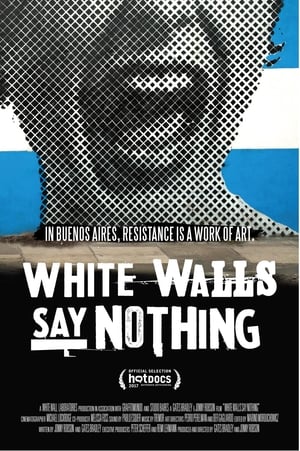
Buenos Aires is a complex, chaotic city. It has European style and a Latin American heart. It has oscillated between dictatorship and democracy for over a century, and its citizens have faced brutal oppression and economic disaster. Throughout all this, successive generations of activists and artists have taken to the streets of this city to express themselves through art. This has given the walls a powerful and symbolic role: they have become the city’s voice. This tradition of expression in public space, of art and activism interweaving, has made the streets of Buenos Aires into a riot of colour and communication, giving the world a lesson in how to make resistance beautiful.
Two major events took place during 1989 in Argentina - Carlos Saul Menem was appointed new leader and the charismatic President saw off each car at the start of the Argentinian Rally at the Palermo Stadium. Local hero Recaldo with co-driver Jorge del Buono, led the field in one of the Lancia Delta Integrales but despite a flying start chose the wrong tyres. The challenge from Mikael Ericsson, Fiorio, Soto and Fischer led to some exciting duels and traumatic events which quickly whittled down the number of competitors. Only 33 crews completed the gruelling course out of the 77 starters. A memorable event faithfully recorded here for your enjoyment.
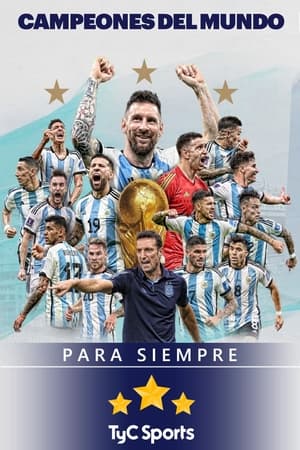
Documentary about the life story of one of Argentina's sports idols. One of the forty-three soccer players who won a World Cup, a fight. Filmed in Mendoza, Santa Fé, Rosario and Buenos Aires.
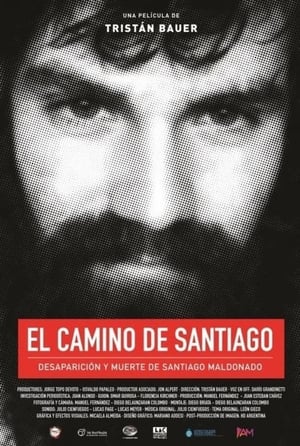
Santiago Maldonado disappeared in the midst of repression against a Mapuche community that claimed to Luciano Benetton for his land. His body was found 78 days later. The need for truth and justice continues
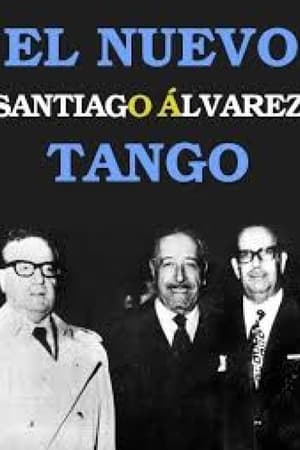
The New Tango (El Nuevo Tango) was not shown in Argentina for a long time as it deals with the ascent of Argentinean president Hector Campora in May 1973, and features Cuban and Chilean presidents, Osvaldo Dorticos and Salvador Allende. A million people gathered on the Plaza de Mayo to acclaim the new President. One of Cámpora's first presidential actions was a granting of amnesty to political prisoners who where jailed during the dictatorship. On 28 May Argentina restored diplomatic relations with Cuba, which then received Argentine aid - such as food and industrial products - to break the United States embargo against Cuba.
A chronicle on the days without Jorge Julio López, key witness and complainant on the first trial on genocide in Argentina, dated in 2006. López, who had survived through concentration camps on the late seventies argentinian dictatorship, disappeared for the second time the day the court decision meant to condemn his kidnappers was about to be read.
Documentary short film covering two survivors of the argentinian military dictatorship.
The production investigates the so-called "economic miracle" of Javier Milei's government, contrasting the official discourse with the reality faced by the Argentine population. Filmed in Buenos Aires in August, the documentary features testimonies from citizens, economists, and social leaders, offering a direct portrait of the human impacts of the Argentine president's ultraliberal plan.
Cómo hacer una canción de amor
Proyecto muerto v6 (6).mp4
Without a trace portrays the life and work of filmmaker Quirino Cristiani, 1896 to 1984. An animator, cartoonist and italoargentino cartoonist, creator of the first feature animation world; The Apostle 1917.
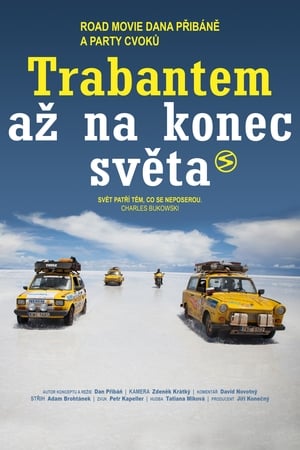
The third installment in Dan Přibáň's series of travel documentaries describes the author's journey with his friends across South America in vehicles that are often notorious but cult in their own way. The charming dynamics of the group on screen are further enhanced by the high-quality craftsmanship.
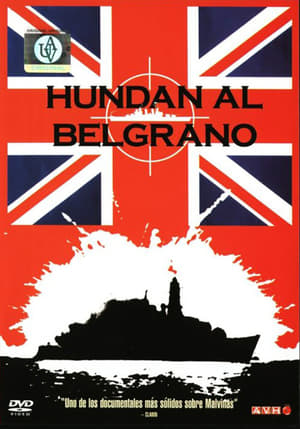
A detailed account of each of the details of the Malvinas War based on interviews, dramatic scenes, maps and other elements of historical roots without ignoring the historical antecedents from the 18th century that ended in this confrontation.
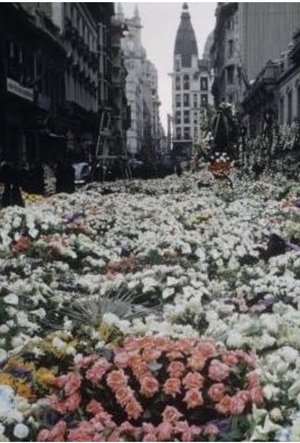
Documentary depicting the funeral of Argentinian First Lady Eva Perón in 1952.