As a practical joke, an actor impersonates the screen monster he made famous. A lost film.
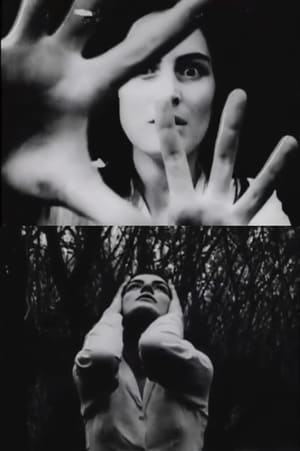
The surrealist film shows repetitive imagery involving a string fashioned in a bizarre, almost spiderweb-like pattern over the hands of several individuals, most notably an unnamed young woman and an elderly gentleman. The film also shows a shadowy darkness and people filmed at odd angles, an exposed human heart, and other occult symbols and ritualistic imagery which evokes an unsettling and dream-like aura. Considered an unfinished film.
A struggling drug addict is plunged into a tortured netherworld, where he must defend his spirit from a ravenous horde of soul-addicted junkies.
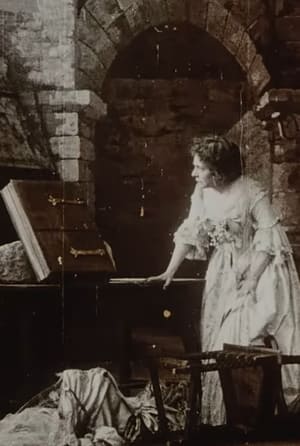
During a game of hide and seek, a new bride hides in a chest and remains undiscovered until a strange visitation thirty years later.
Das Opfer der Iris
Alone on a farm, a man spends his days tending to his animals, with a particular love for his sow. After an illicit encounter between the two creatures, the pig gives birth. However, tragedy strikes when the man tries to force the newborn piglets to love him as he loves them.
A surreal silent short composed of symbolic imagery and allegorical tableaux centered on themes of death and mortality.
A wizard sleeps at a table in his well-appointed sitting room. From a drawer in the table, a snake appears.
A young woman becomes the eighth wife of the wealthy Bluebeard, whose first seven wives have died under mysterious circumstances.
The plot is the embodiment of everyday belief about the impact of a certain evil force on a person. The action develops in a peasant environment.
A man dreams he is the 'demon barber' who cuts sailors' throats for jewels and uses the corpses for pies.
Danish adaptation of Trilby. Presumed lost, though a single still apparently depicting the novel's climax survives.
British adaptation of Trilby filmed in Kinemacolor. Presumed lost.
A young woman who lives with her uncle begins to dream about a monster that lurks in the shadows of the night.
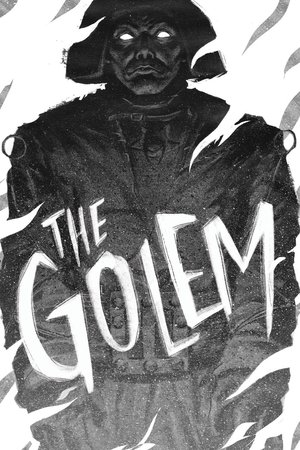
This mostly lost film is often confused with director Paul Wegener third and readily available interpretation of the legend; Der Golem, wie er in die Welt kam (1920). In this version of the golem legend, the golem, a clay statue brought to life by Rabbi Loew in 16th century Prague to save the Jews from the ongoing brutal persecution by the city's rulers, is found in the rubble of an old synagogue in the 20th century. Brought to life by an antique dealer, the golem is used as a menial servant. Eventually falling in love with the dealer's wife, it goes on a murderous rampage when its love for her goes unanswered.
God and Satan wager on the soul of a learned and prayerful alchemist as part of their eternal war over Earth.
A new young couple struggles to keep their relationship afloat.
A green-skinned demon places a woman and two courtiers into a flaming cauldron.
The Count sets out to make a private room for him and his Countess, built in such a way no one can see, hear, and most importantly, disturb them. But unbeknownst to the Count, his wife has set her eyes on the court minstrel. Based on Edgar Allan Poe's “The Cask of Amontillado” and Honoré de Balzac's “La Grande Breteche”.
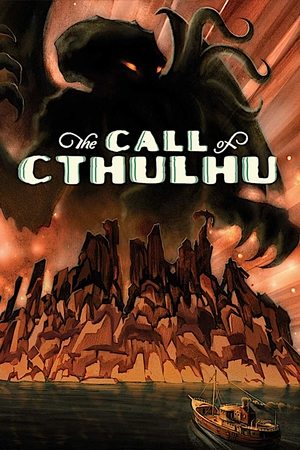
A dying professor leaves his great-nephew a collection of documents pertaining to the Cthulhu Cult. The nephew begins to learn why the study of the cult so fascinated his grandfather. Bit-by-bit he begins piecing together the dread implications of his grandfather's inquiries, and soon he takes on investigating the Cthulhu cult as a crusade of his own.