In a rundown area of Buenos Aires, at the dawn of the 1980s, Adrian LeDuc owns both a struggling movie theater and a shabby apartment building filled with eccentric, squabbling tenants. To make ends meet, Adrian takes in a roommate, Jack Carney, but soon begins to suspect that the quiet American is responsible for a series of political assassinations that are rocking the city.
Released two years after James Dean's death, this documentary chronicles his short life and career via black-and-white still photographs, interviews with the aunt and uncle who raised him, his paternal grandparents, a New York City cabdriver friend, the owner of his favorite Los Angeles restaurant, outtakes from East of Eden, footage of the opening night of Giant, and Dean's ironic PSA for safe driving.
An examination of why the James Bond films have proved so popular including a discussion between the four actors who have played Bond, an interview with Cubby Broccoli and contributions from the directors, production designers, special effects and stuntmen.
Jonathan Ross delves into the world of James Bond and meets with new and former cast members who reveal humorous stories and anecdotes in a series of interviews. All the 5 Bonds at the time are featured, though only Lazenby (reflecting in the usual frank, self criticizing manner), Moore and Brosnan granted an interview. Connery and Dalton are featured through some unused footage from LWT's 30 years of James Bond program. The ever faithful Desmond Llewelyn turns up in character as well as some other less related peeps like Christopher Lee, Paul McCartney and the ultimate playboy: Hugh Hefner -- who all give an interesting perspective on the worlds most famous spy.
This is not a documentary about the making of Midnight Cowboy. It is about a humane and groundbreaking masterpiece and the flawed but gifted people who made it. It is about a troubled era of cultural ferment, social and political change, about broken dreams and strivers, then and now. It is about an era that made a movie and a movie that made an era.
Over the course of a summer, two boys discover the magic of cinema and make their own movie about an old Native American legend called Sleeping Bear.
The father of young maiden Wally wants to force the girl into a marriage.
Mike Todd is a Broadway producer struggling to produce the film. Around the World in 80 Days. In Mexico, Mario Moreno, a young entertainer is struggling to get some respect, and he manages to become a star. A twist of faith makes them partners. Together they won the Oscar for Best Picture.
A group of high school boys attempt to create a movie during the summer before college starts and before they go their separate ways.
Dwij and his friends are tasked to make a short film under 40 hours.
A playful engagement with memory and moving images, employing experimental visuals, voice journals, and staged dialogs.
When World War II broke out, John Ford, in his forties, commissioned in the Naval Reserve, was put in charge of the Field Photographic Unit by Bill Donavan, director of the soon-to-be-OSS. During the war, Field Photo made at least 87 documentaries, many with Ford's signature attention to heroism and loss, and many from the point of view of the fighting soldier and sailor. Talking heads discuss Ford's life and personality, the ways that the war gave him fulfillment, and the ways that his war films embodied the same values and conflicts that his Hollywood films did. Among the films profiled are "Battle of Midway," "Torpedo Squadron," "Sexual Hygiene," and "December 7."
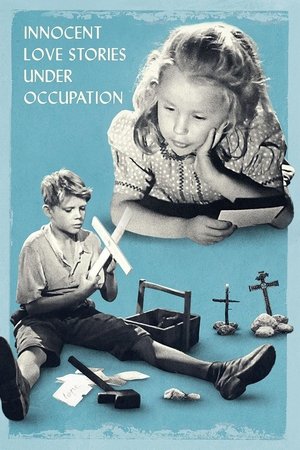
In Paris in full German occupation in 1942, a Jewish child Isaac escapes a raid organized by the SS. He then took refuge in the Great Mosque of Paris. The imam decides to protect him by passing him off as a Muslim, as well as the other Jewish children that he manages to free with the help of the resistance networks. The French militia and the Gestapo have suspicions... This fiction film is based on the true story of the rector of the Paris mosque, Si Kaddour Benghabrit, who saved several Jews from deportation during the Second World War.
The story of the making and subsequent success of The Day of the Beast, the Spanish cult film directed by Álex de la Iglesia and released in 1995.
Hollywood is perhaps the most elusive animal. "We Want the Airwaves" follows three first time TV makers who set out on the ultimate adventure: to change television as we know it. The trio creates, films and pitches their advocacy docuseries masterpiece, "Manifesto!" all over the world, with the goal of giving a broadcast voice to a generation.
While attending a retrospect of his work, a filmmaker recalls his life and his loves: the inspirations for his films.
A crew of filmmakers shoot undercover on the streets of Hong Kong with hidden microphones and no permits. The city becomes a giant set as mounting tension and ego clashes push tempers to breaking point.
At a remote lake house in the Adirondack Mountains, a couple entertains an out-of-town guest looking for inspiration in her filmmaking. The group quickly falls into a calculated game of desire, manipulation, and jealousy, unaware of how dangerously intertwined their lives will soon become.
A brief look at the history of "Homicide: Life on the Street", one of the best shows on television and its ratings history as well as some of the people on the show, as well as behind the camera. The primary focus of this PBS documentary is the "Subway" episode which aired on December 5, 1997 on NBC. This two-hour documentary follows the "Subway" episode from conception to award nominations.
General arrives in Baden-Baden with his stepdaughter Polina and his mother, seeking social standing and respite. Secretly, they chase casino fortunes alongside a French businessman and beauty. Alexej, Polina’s tutor, struggles with his own gambling past while falling for her. When the wealthy “Babushka” dies, the family’s financial woes vanish, freeing Alexej to court Polina. Yet he loses everything in a sudden winning streak that upends loyalties and reveals the world’s true stakes: love, money, and chance.