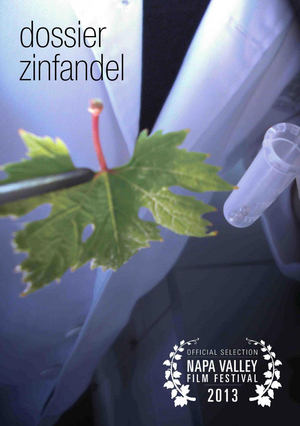
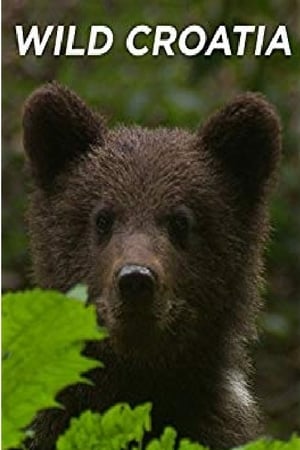
Every year, in the middle of Croatia, it's the same story: after the annual snowmelt, a huge flood wave spills out of the Alps toward Zagreb and Belgrade. This leads to an increase in the River Sava's water levels of some ten meters. In the species-rich, alluvial flood forests of the last major meadow landscapes of the continent, enormous predatory fish like the catfish lie in wait for prey.
Half-hour documentary on the artistic and cultural heritage of Croatian immigrants in Washington state. Broadcast February 25,1981. Exhibited at the Smithsonian Institution Folk Life Festival, 1981. Funded by National Endowment for the Arts.
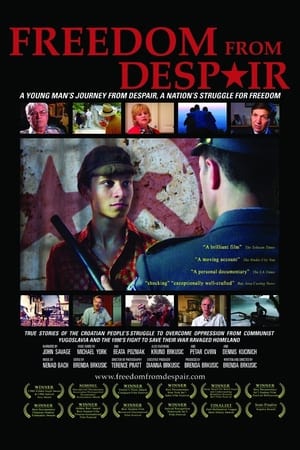
A documentary about Croatian politician Franjo Tudjman.
Using original ITN frontline footage, this documentary chronicles the 1991 Battle of Vukovar and its significance in the Croatian War of Independence.
Croatia’s achievement in coming 3rd at the 1998 World Cup in France was staggering. A nation barely established took on and beat the world’s powerhouse nations, coming within a whisker of lifting the trophy. But, this is much more than just a story about a talented football team, it is the tale of a nation emerging from the wreckage of the Balkan war and the disintegration of Yugoslavia to stand proudly as an independent country on football’s grandest stage.
‘Dead Harbor’ deals with the people who were living in worst asylums at that time – institutions in which the society was throwing a way all those who they wanted to get rid off and marginalize: psychiatric patients, alcoholics, old people who no one wanted, ex prostitutes and the other social cases. Work was filmed in Asylum for adults in Bidružica. Without any real care or therapy, under hard sedatives and drugs, inhabitants of Asylum wasted their days without any meaningful activities – walking in circles in the yard, sitting on the benches or in the best case drinking in local pubs.
Docu-drama about Croatia's first President, Franjo Tudjman.
Rosa is from Croatia and lives in Switzerland, with her husband who depends on her care. She takes care of everything. Her children have grown up and want to leave home. Rosa stays behind alone.
The rivers of Croatia are unique within Europe, as their ecosystems provide a stability to the processes of nature. However, the wildlife diversity is threatened as human activity encroaches on their fragile wilderness. This film follows the meandering lowland rivers which drain into the vast floodplains, photographs the mighty cascading waterfalls and frames the picturesque warm, limestone springs and fertile landscape of the Karlovac region. Our camera flies across the interior valleys or 'Karst Polje' which form shallow basins for the annual rainfall that swell the underground waterways to resurface as gentle rivers and streams many kilometres away.We also see majestic Adriatic rivers flow to meet the sea, through the fast moving estuaries of the great Zrmanja canyon or through the mighty Neretva delta.
The film is followed by Croatian anti-EU activist Marko Franišković who tried to run for the election in his radical political program. What is happening to him on this path is questioned by the proclaimed principle of parliamentary democracy. Documentary-judicial horror.
Matchmaker Nediljko Babic, also known as "Gangster", helps a Bulgarian single mother find a new husband in Croatia. But a series of comically disastrous dates discloses the true nature of conservative Croatian men: they would rather die alone than marry a foreigner with a child.
A girl and her mother made a short film about their trip to Croatia, Bosnia and Herzegovina.
In 1992, the Yugoslav army and Serbian paramilitary forces captured one-third of Croatia as the country was engulfed in a state of war. A squad of fighters is defending their position in the small but strategically significant village of Sunja, where the invaders have surrounded them on three sides. Ivan Salaj, a young and gifted director who was still enrolled in film school at the time, chooses to use their story as the subject of his student film. Considered one of the most important films from a period when Croatian independence was still at stake, it provides an accurate portrayal of life on the front lines. What makes Hotel Sunja even more special is that it was made by a group of students who risked their lives to make the movie.
A documentary about punk and subculture scene of Pula, Croatia from 1978 to 1991, the city that gave birth to one of the most vivid punk and alternative rock scenes in former Yugoslavia, despite having population of just over 60,000 residents.
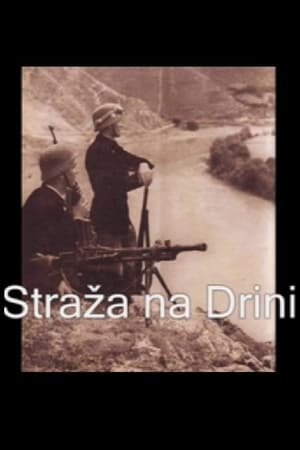
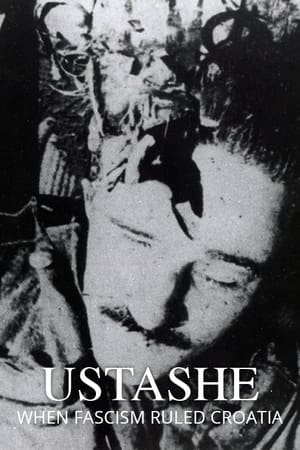
A compilation of week journals made for Nazi-puppet regime in Croatia during WW II which show the warfare of Ustasha forces against Yugoslav partisans and Chetniks in eastern Bosnia.
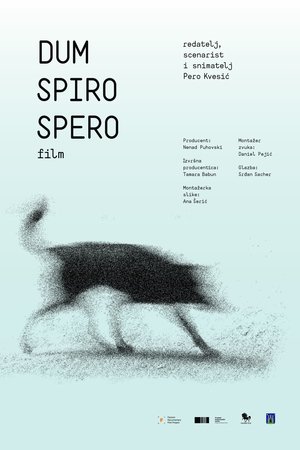
Well-known Croatian author Pero Kvesić, who has been struggling with a severe lung disease, documents his death from his own point of view. Recording his everyday struggle, the picture resembles a peculiar blog filled with self-irony and witty comments about life and death. Although the world around continues to shrink, the hero and the director in one does not cease to fill it with sense.
1991. Tko je tvoj bližnji?
The rut of Dalmatian hinterland changes with the arrival of returning guest workers, and things they bring along: cars, radios and new way of life.
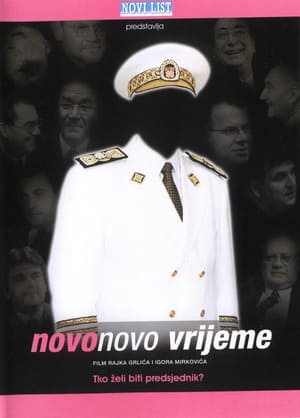
"Croatia 2000 - Who Wants To Be A President" is a feature-length documentary film about dramatic political events that occurred in the period between the death of Croatian president Franjo Tudjman and the victory of Stipe Mesić in the presidential elections. Incessantly following (sometimes with ten cameras) the most influential figures in Croatian political life, cameras witnessed the moments of their biggest battle, their greatest victory and crushing defeat, and days of great strain, passion and political combat.
Imagine joint demonstrations of students and farmers! Such an improbable encounter happened on the Feast of Corpus Christi in 2009 on Vukovarska street in Zagreb, when students from Faculty of Social Sciences came to support the farmers' demonstrations in front of the building of Ministry of Agriculture. In spite of the fact that this event was present in all the media, this film is the only video recording of this unusual one-day encounter of students and farmers. Euphoric student night and sobering farmers' day; media-conscious activism and heavy machines on the streets; plenary form of organization and quarreling farmers' associations - these are just some of the manifestations of this unexpected alliance.