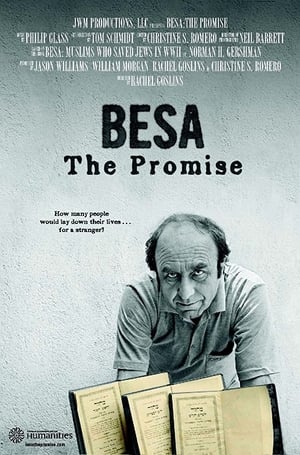
A documentary exploring how Albanians, including many Muslims, helped and sheltered Jewish refugees during WWII at their own risk, and trying to help the son of an Albanian baker that housed a Jewish family for a year return some Hebrew books that the family had to leave behind.
Portrait of a typical European feminist - Olga Lipovskaya (1954-2021), journalist, translator, poet, founder of the women's non-profit organization St. Petersburg Center for Gender Issues (an educational and resource center for women and women's organizations), editor of the samizdat magazine Women's Reading.
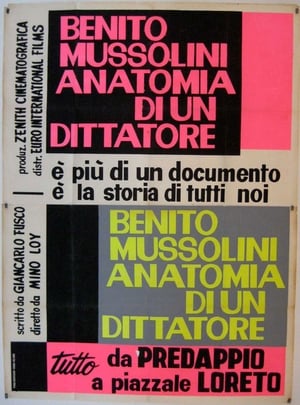
Benito Mussolini: Anatomy of a Dictator
21 years after the collapse of the Communist regime, Albania experiences democracy with it's many contradictions. An exclusive insider perspective given by three young protagonists.
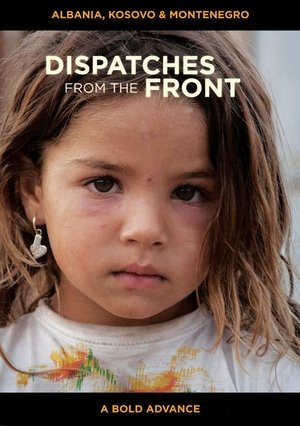
A Bold Advance is set in the rugged regions of Albania, Kosovo and Montenegro among people deeply wounded by war and brutal dictatorships. Yet here in this scarred land are those who have been changed inside-out by the power of Christ. Their faces and stories declare that the message of the Cross crushes all barriers—even those raised by mosques and minefields. Hike the mountain trails with pioneer men and women who are reaching the hard-to-reach people and loving them into the Kingdom. From Albania’s lawless frontier to Montenegro’s “Mountains of the Damned” to the killing fields of Kosovo, Dispatches from the Front: A Bold Advance is another Macedonian call to action and a reminder that the Gospel still shakes the gates of Hell.
A documentary that investigates the complexity of a nation, Albania, through the narration of the convoluted history of its monuments. What happens to the statues when they are destroyed, what are they replaced with and where do their marble shreds end up? What happens to their expensive bronze? And again: what do the sculptors who made these statues think of these destructions, what is their opinion. And today? Which statues are being destroyed in Albania today?
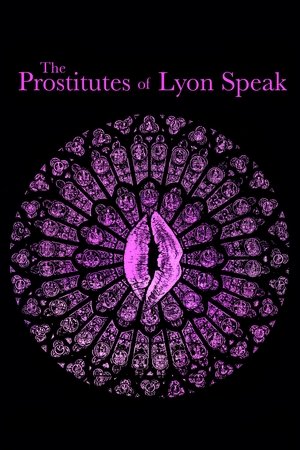
Documentary about the Lyon sex workers who occupied the church of St. Nizier on June 3, 1975.
Children get ready to start the first grade. They start learning the first letters.
A documentary unraveling the untold stories and brutal experiences of the Kosovo War in the late 1990s.
The full-length television documentary, using currently found audio-visual records, tells the story of the fabricated political process from November 1952, the story of its victims and its masterminds. At its end, 11 executed high-ranking officials of the Communist Party of the Czech Republic, committed to the communist party, who mechanically "recited" memorized confessions and accusations of "accomplices", former friends and colleagues in front of the court in response to prearranged questions from the prosecutors and judges.
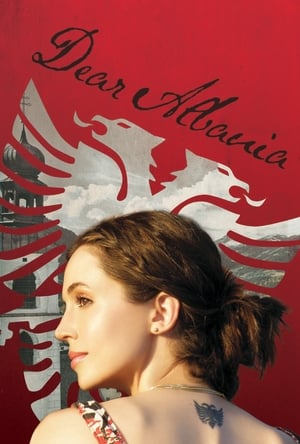
Eliza Dushku takes on her homeland of Albania.
Follows rural GP Dr Ylli Hasani who risked imprisonment in totalitarian Albania by listening to the BBC World Service to keep up to date with world events, especially English football.
Political documentary film about the second year of party training of the Communist Party of the Czech Republic.
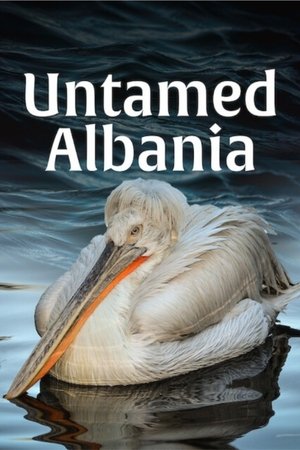
Albania in the southeast of Europe – situated between Greece, Macedonia, Kosovo and Montenegro – hosts an astonishingly diverse landscape. Harmonic coastal areas lead to harsh karst landscapes. Snow-covered mountain regions, wild canyons, waterfalls, deep-blue lakes and untouched rivers are perfect conditions for an immensely rich flora and fauna. Decades of war preserved wide areas of the country from industrial exploitation, so the natural environment is still untouched.
In northern Albania, ancestral customs still exist, governing the laws of vendetta between families. Sometimes, for generations, an old feud has pitted two clans against each other, condemning them to take turns murdering a member of the opposing family. This blood code, known as the Kanoun, has painful consequences for many Albanians, who are condemned to live in seclusion to avoid being killed.
Gloria Allred overcame trauma and personal setbacks to become one of the nation’s most famous women’s rights attorneys. Now the feminist firebrand takes on two of the biggest adversaries of her career, Bill Cosby and Donald Trump, as sexual violence allegations grip the nation and keep her in the spotlight.
Entre nos mains (In our hands)
Příprava výstavy „30 let KSČ“
Made by the highly influential Russian cameraman Roman Karmen, this documentary vividly features Albanian life immediately after the communists came to power in 1944. The film is especially memorable since it’s missing much of the heavy socialist realism that marked Albanian doc making. Shortly after he completed the film, Karmen set off for Berlin to shoot the Soviet victory over Nazi Germany.
The story of Viktor Stratoberdha (1921-1991) mirrors many of Albania’s tragedies. Stradoberdha’s humorous, buoyant style led him to be one of the country’s most promising filmmakers. But after being denounced in 1956, he was expelled from the Kinostudio and sent into internal exile. In 1967, Stratoberdha directed a local theater play in which the economic five year plan was placed in a coffin. He was then jailed for the next two decades. Urime Shokë Studentë! is one of the surviving documentaries of Viktor Stratoberdha’s all too short career.