Japan blossomed into its Renaissance at approximately the same time as Europe. Unlike the West, it flourished not through conquest and exploration, but by fierce and defiant isolation. And the man at the heart of this empire was Tokugawa Ieyasu, a warlord who ruled with absolute control. This period is explored through myriad voices-- the Shogun, the Samurai, the Geisha, the poet, the peasant and the Westerner who glimpsed into this secret world.
Just after midnight on 10 March 1945, the US launched an air-based attack on eastern Tokyo; continuing until morning, the raid left more than 100,000 people dead and a quarter of the city eradicated. Unlike their loved ones, Hiroshi Hoshino, Michiko Kiyooka and Minoru Tsukiyama managed to emerge from the bombings. Now in their twilight years, they wish for nothing more than recognition and reparations for those who, like them, had been indelibly harmed by the war – but the Japanese government and even their fellow citizens seem disinclined to acknowledge the past.
NEW AKINA Étranger Akina Nakamori in Europe is the first video release released by Nakamori Akina. It was released on October 12, 1983.
A 3 hour Japanese documentary & Live gig video of the Osaka Noise/Weirdo Rock scene in 1994. Includes Boredoms & side projects (UFO or DIE, Hanatarash, Concrete Octopus), Masonna, Incapacitants & lots more! Yamatsuka Eye gives an interview in his apartment and plays a toy guitar in his bath tub.
A group of friends come up with the brilliant idea of testing the non-existent drink known as "Tea Coffee".
A man performs the same ritual every day: he cleans his shoes, dresses up in his shiny blue suit, wears his white gloves and grey hat, and spends his time walking around Brazzaville. His presence generates an absurd apparition in the urban chaos of the city, which reflects the imaginary produced by one of the upmost icons of pop culture.
This is the story of Kaori Kawabuchi, a samurai sword performer, singer and motion capture actor. An inspiring woman keeping alive ancient traditions and spirituality in modern Japan.
A raw and emotionally revealing look at one of the most iconic artists of our time during a transformational period in her life as she learns to embrace her role not only as a songwriter and performer, but as a woman harnessing the full power of her voice.
In the last fifty years the culture of Zen has spread far beyond Japan. Zen centers and zen retreats have sprung up throughout America and Europe. When Dogen, the founder of Soto Zen, brought Zen to Japan from China 800 years ago, it quickly took root and became an integral part of Japanese life. Yet what do we know about zen practice in Japan today? The Zen Mind is a fascinating journey across Japan to explore zen in its natural habitat.
Documentary about two boys and a girl who travel to surfing spots around the world.
A documentary film that includes footage of past Olympics held in different countries with an particular emphasis on the activities and successes of Japanese athletes and how they are currently (circa 1963) improving themselves.
The greatness, fall and renaissance of Hammer, the flagship company of British popular cinema, mainly from 1955 to 1968. Tortured women and sadistic monsters populated oppressive scenarios in provocative productions that shocked censorship and disgusted critics but fascinated the public. Movies in which horror was shown in offensive colors: dreadful stories, told without prejudices, that offered fear, blood, sex and stunning performances.
Denise Crosby takes a first look at the huge fans of "Star Trek" from around America and how the series has affected and shaped their lives.
Using never-before-seen footage, Japan's War In Colour tells a previously untold story. It recounts the history of the Second World War from a Japanese perspective, combining original colour film with letters and diaries written by Japanese people. It tells the story of a nation at war from the diverse perspectives of those who lived through it: the leaders and the ordinary people, the oppressors and the victims, the guilty and the innocent. Until recently, it was believed that no colour film of Japan existed prior to 1945. But specialist research has now unearthed a remarkable colour record from as early as the 1930s. For eight years the Japanese fought what they believed was a Holy War that became a fight to the death. Japan's War In Colour shows how militarism took hold of the Japanese people; describes why Japan felt compelled to attack the West; explains what drove the Japanese to resist the Allies for so long; and, finally, reveals how they dealt with the shame of defeat.
A modern geisha travels through Japan trying to find a job as entertainer, and ends up by finding love and a job as ama, a pearl diver.
Actual footage by the United States Signal Corps of the landing and attack on Arawe Beach, Cape Glouster, New Britain island in 1943 in the South Pacific theatre of World War Two, and the handicaps of the wild jungle in addition to the Japanese snipers and pill-box emplacements.
An eye-opening look at the 'costume play' subculture known as cosplay. "My Other Me" chronicles a year in the life of three different cosplayers, following the subjects as they travel the convention circuit, balancing their home lives with their cosplay alter egos, revealing the profound effects the subculture has played in their lives.
Other - An in-depth look at the world of Japanese street racing.
Japan: Hightech against earthquake
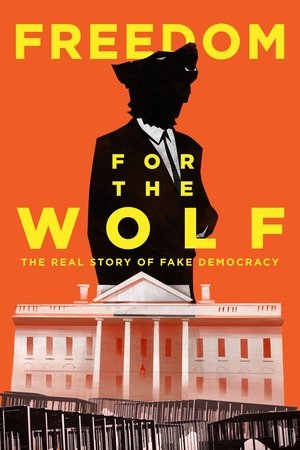
The Real Story of Fake Democracy. Filmed over three years in five countries, FREEDOM FOR THE WOLF is an epic investigation into the new regime of illiberal democracy. From the young students of Hong Kong, to a rapper in post-Arab Spring Tunisia and the viral comedians of Bollywood, we discover how people from every corner of the globe are fighting the same struggle. They are fighting against elected leaders who trample on human rights, minorities, and their political opponents.