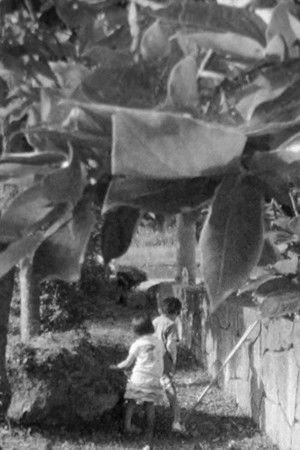
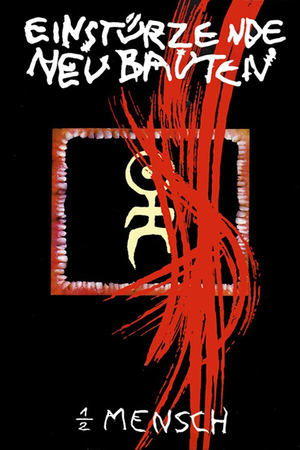
An independently produced documentary about growing up as a blind youth in 1960's Japan. It focuses on a group of elementary level students being taught by Mr. Kawai at the Zoshigaya Branch of Tokyo Educational University. Filmed over 12 years, the documentary tracks these student's lives up through their young adulthood. It follows the journey of one student in particular, Kiyoshi Hasegawa, a young boy who eventually learns a passion for music and wants to become a recording artist. Expanded from director Hideo Hamada's documentary short "But We Can Gaze!"
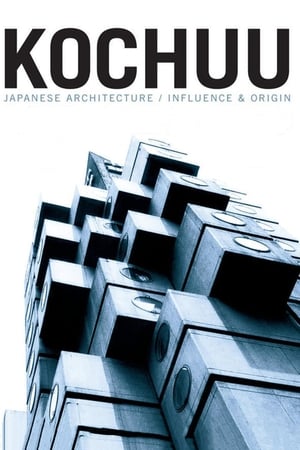
A film about modern Japanese architecture, its roots in the Japanese tradition and its impact on the Nordic building-tradition. Winding its way through visions of the future, traditions, nature, concrete, gardens and high-tech, KOCHUU tells us how contemporary Japanese architects strive to unite the ways of modern man with the old philosophies in astounding constructions. Interviews with, and works by, Japanese architects Tadad Ando, Kisho Kurokawa, Toyo Ito and Kazuo Shinohara and Scandinavian architects Sverre Fehn, Kristian Gullichsen and Juhani Pallasmaa.
Actual footage by the United States Signal Corps of the landing and attack on Arawe Beach, Cape Glouster, New Britain island in 1943 in the South Pacific theatre of World War Two, and the handicaps of the wild jungle in addition to the Japanese snipers and pill-box emplacements.
Megumi Odaka (小高恵美) idol VHS tape, Megumi the Campaign - Idol Roke Zenkoku Jyuudan, 1989. She is best known for the role of Miki Saegusa in six Godzilla films from 1989 to 1995.
A documentary film that includes footage of past Olympics held in different countries with an particular emphasis on the activities and successes of Japanese athletes and how they are currently (circa 1963) improving themselves.
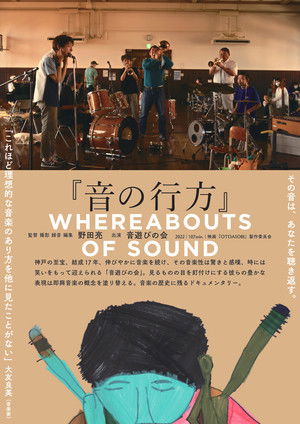
As they play carefree music, their musicianship is met with surprise, wonder, and sometimes even laughter. Captivating all who watch, Otoasobi Project’s rich variety of expression reshapes the concept of improvised music. Formed in 2005 in Kobe, Japan, Otoasobi Project has some 50 members, including people with intellectual disabilities, musicians, and music therapists, who pursue music and well-being through improvised performances. After many years of numerous workshops, concerts, and other activities, they even held their first tour in the UK in September 2013. The movie “Whereabouts of Sound” depicts the appeal of the improvised music Otoasobi creates, and the beauty of its natural, honest expression.
The first feature length documentary on Formula Drift. Learn the Ins and Outs of the only professional drifting series in America. With an overview of the rules, techniques, and the insider tips revealed by the top drivers and privateers.
Samurai Japan won the 2023 World Baseball Classic for the first time in 14 years, and went all the way to the final undefeated. In addition to the never-before-seen footage of the team, the film also includes interviews with Manager Hideki Kuriyama, players, coaches, and team staff. What is the truth behind the glory and the suffering of the people involved?
A group of friends come up with the brilliant idea of testing the non-existent drink known as "Tea Coffee".
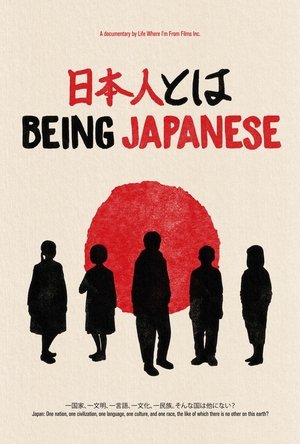
A documentary exploring what it means to be Japanese.
Marty and Moog are back in Japan to pick up another car that they've bought off the internet. This time, they'll be road tripping to Hokkaido to meet up with someone very special. With all new original soundtrack and stunning cinematography, this 90 minute feature film explores Japan in all its glory, and showcases what Mighty Car Mods does best!
Documentary about two boys and a girl who travel to surfing spots around the world.
Général Ishiwara - L'homme qui déclencha la guerre
Made in Japan, Last Room is both fiction and documentary. The occupants of the love-hotels and capsule-hotels tell their own intimate, dreamlike stories, interspersed with journeys through the archipelago's landscapes. Soon, these personal stories resonate with a collective history: that of Gunkanjima, the abandoned ghost island of Nagasaki, and then that of Japan as a whole.
Suh, whose favorite Packer will always be Mason Crosby; Omi and Ayaka, whose infant daughter already sports a green and gold onesie, and Ryuta aka “fatdragon08” who briefly lived in Milwaukee in 1990, studying English, where he was teased for wearing a San Fancisco 49ers jacket, and subsequently converted to the Pack Life. Benzine’s film lets us spend quality time with these super fans, and then follows them as they make plans to cross the sea to see their beloved Packers in-person at Lambeau! As director Benzine says, “No Packers, No Life is a story about a sports team and their fans, but more than that it illustrates how people from all over the world can come together and unite over a common passion. Also, the Japanese fans arrive in Green Bay and get to ride the Zippin Pippin and party a lot. It’s a very good time.”
This documentary film follows for 22 years a nine-member family involved in the manufacturing of Udon in the Goto Islands, Nagasaki prefecture. Mr. Toru Inuzuka called by nickname "Tora-san" is making famous 'Goto Udon' and natural salt on the island on which the depopulation is progressing. Seven children get up at 5 o'clock every morning, helping to make udon, and go to school. Children's help is recorded on the time card, and it is pocket money for children. The film talks about children's growth, marriage, childbirth, homecoming, and parting. The 22 years of familiarity of the family is drawn.
1959 - a great year of success for Aston Martin winning at Le Mans, Nurburgring and the Tourist Trophy
Overview of the 1958 British Grand Prix by Shell-Mex and BP. Wonderful 1950's colour film
An overview of the 1955 Belgian Grand Prix by Shell Oil. Watch the racing heroes of the 1950's conquer the tarmac in one of the picturesque racing circuits of Europe.
Using never-before-seen footage, Japan's War In Colour tells a previously untold story. It recounts the history of the Second World War from a Japanese perspective, combining original colour film with letters and diaries written by Japanese people. It tells the story of a nation at war from the diverse perspectives of those who lived through it: the leaders and the ordinary people, the oppressors and the victims, the guilty and the innocent. Until recently, it was believed that no colour film of Japan existed prior to 1945. But specialist research has now unearthed a remarkable colour record from as early as the 1930s. For eight years the Japanese fought what they believed was a Holy War that became a fight to the death. Japan's War In Colour shows how militarism took hold of the Japanese people; describes why Japan felt compelled to attack the West; explains what drove the Japanese to resist the Allies for so long; and, finally, reveals how they dealt with the shame of defeat.