Annie Goldson and Kay Ellmers’ doco, expanded from the film they made for Maori Television, takes a timely look at New Zealand’s military and media, notably journalist Jon Stephenson, in Afghanistan.
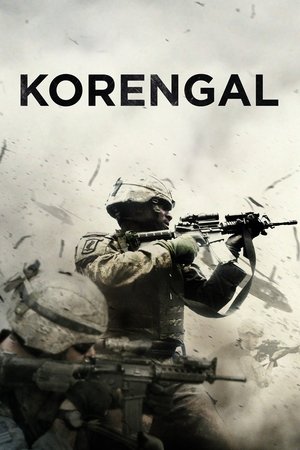
Korengal picks up where Restrepo left off; the same men, the same valley, the same commanders, but a very different look at the experience of war.
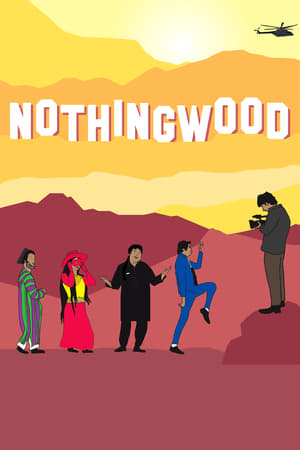
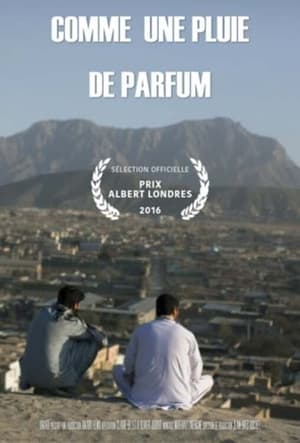
French documentarist Sonia Kronlund follows actor and director Salim Shaheen, an Afghan movie star who produced more than 110 low-budget movies in a country devastated by war.
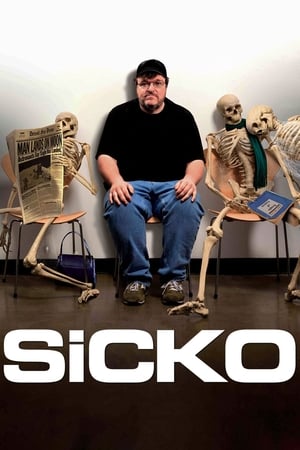
A documentary about the corrupt health care system in The United States whose main goal is to make profit even if it means losing people’s lives. "The more people you deny health insurance, the more money we make" is the business model for health care providers in America.
Documentary about the nurses' strike in Finland on autumn 2007.
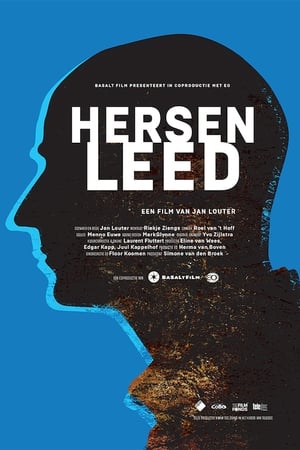
We follow neurosurgeons Clemens Dirven and Arnoud Vincent of the Erasmus MC in Rotterdam in this documentary during the treatment of three patients with a brain tumor.
A look back at the years leading up to the fall of Kabul and the perilous evacuation of civilians trapped inside the embassy in the hours following the Taliban's takeover of the country.
A movie about the education for nurse told from Bente's perspective. She starts at the preschool at Rødkilde Højskole at Møn and comes from there to a hospital, where student time begins. After three years, Bente is trained and can get the nursing needle attached to the robe.
The Soviet Army Prepares for Action in Afghanistan is derived from four shots of a Soviet film called Heirs of Victory (1975) which commemorates the Allied triumph over fascism in World War II. The original film celebrates the military might of the USSR in images of explosions and armed men leaping through flames. These images are subjected to such thorough manipulation that they become patterns flickering like a multitude of abstract paintings, with digital smears standing in for squeegee marks and brush strokes. Slowly the shots become less abstract until they are completely recognizable, though still somehow rather surreal.
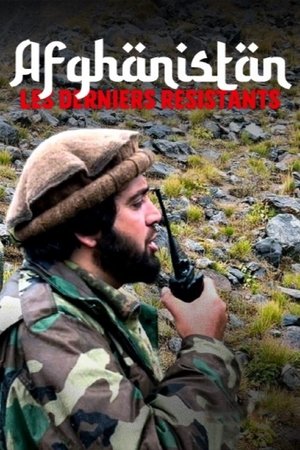
Afghanistan : les derniers résistants
This documentary film includes never-before-seen footage and exclusive interviews to tell the story of Charity Hospital, from its roots to its controversial closing in the wake of Hurricane Katrina. From the firsthand accounts of healthcare providers and hospital employees who withstood the storm inside the hospital, to interviews with key players involved in the closing of Charity and the opening of New Orleans’ newest hospital, “Big Charity” shares the untold, true story around its closure and sheds new light on the sacrifices made for the sake of progress.
Every day, at Lapeyronie hospital in Montpellier, France, a psychologist and a psychiatrist treat pedophiles and child sexual offenders. Behind closed doors, hidden away from sight, they listen to their stories, help put words to acts and impulses. And they fight for basic prevention systems to be funded and put into practice.
Five Afghan men try to reach Europe. The filmmakers followed them for over six months, filming their clandestine journey and chronicling a migration combining fantasy and stark reality, setbacks and achievements, in the midst of the dangers of such trips.
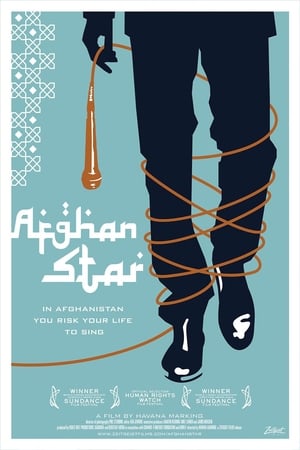
This documentary on the effect the talent competition "Afghan Star" has on the incredibly diverse inhabitants of Afghanistan affords a glimpse into a country rarely seen. Contestants risk their lives to appear on the television show that is a raging success with the public and also monitored closely by the government.
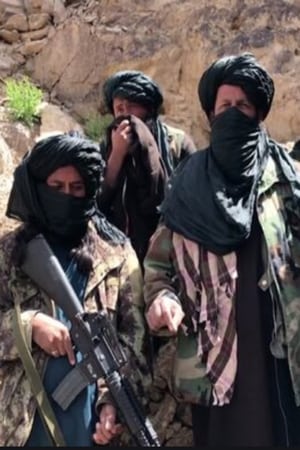
"Inside the Talibans" - What will happen if the Talibans return to power? Swedish journalist Magda Gad travels the Herat and Wardak provinces of Afghanistan to meet with the Taliban fighters.
The mission: Capture US and NATO forces on camera giving food, water, clothing, blankets, and medical supplies to widows and orphans in refugee camps and villages of Afghanistan.
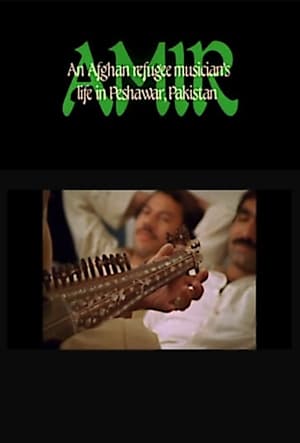
Amir, shot during the height of the Afghan civil war in the 1980s, investigates and portrays the life of Afghan refugees living in and around the city of Peshawar in northern Pakistan through the experiences of the musician Amir. The aspirations of Afghan refugees are expressed through their political songs dealing with the civil war in Afghanistan, with exile, with Afghan nationalism and with the Islamic revolution. In highly charged and tragic circumstances, music can be used in very direct ways, both to promote solidarity and as an agent of catharsis.
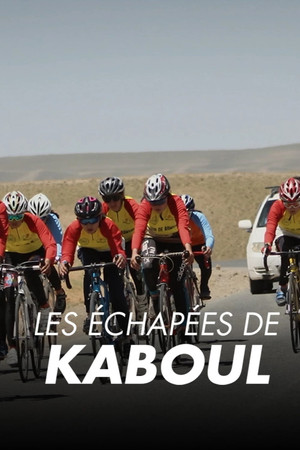
Les échappées de Kaboul
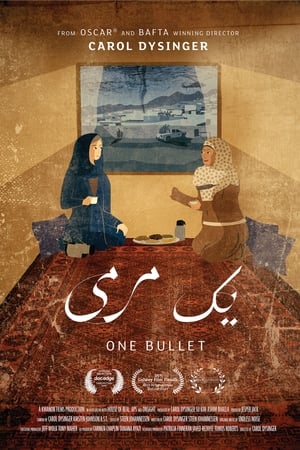
An Afghan mother and a US filmmaker, connected through one stray bullet, forge a surprising friendship amidst America's longest war.
No Greater Love explores a combat deployment through the eyes of an Army chaplain, as he and his men fight their way through a hellish tour in one of the most dangerous places in Afghanistan and then as they struggle to reintegrate home.