An epic adventure that aims to unravel the mystery at the heart of our existence: the questions of our identity and our destiny. The series features some of the world’s most baffling real life stories and exciting findings in the fields of consciousness studies, near-death experiences and past-life memories. Adventurous researchers following the evidence where it leads them have discovered that the lines of evidence converge to a conclusion that is refreshingly new – yet perennially known.
Horizon tells amazing science stories, unravels mysteries and reveals worlds you've never seen before.
What would we be without mucus? Can we live on water? How much does life weigh? Finding out the answers is the aim of ARTE's new science show. In a nod to Douglas Adams's "Hitchhiker's Guide to the Galaxy", where the figure 42 is the ultimate answer to all questions, 42 tries to provide the answers.
Asking how you tell what's real and what isn't sounds like an obvious question. But in this series of six programmes, James Burke shows that the more you think about it the harder it is to answer. After all, what have you got, apart from your five senses, to prove those senses are giving you the real thing?
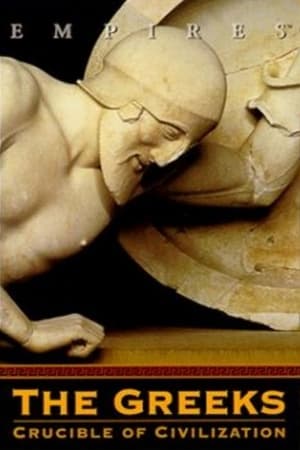
In the fourth and fifth centuries, B.C., the Greeks built an empire that stretched across the Mediterranean from Asia to Spain. They laid the foundation of modern science, politics, warfare and philosophy, and produced some of the most breathtaking art and architecture the world has ever seen. It was perhaps the most spectacular flourishing of imagination and achievement in recorded history.
Stefan Molyneux, host of Freedomain Radio, travels to California to explore all of the political, economic, moral and demographic complexities of the Golden State. What he learned astounded him—what he shows you will shock you…
Polish-Flemish philosopher Alicja Gescinska interviews national and international personalities with diverse philosophical and religious backgrounds.
Ask-Elizabeth
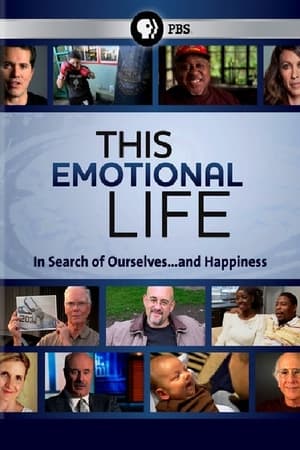
Psychologist Daniel Gilbert ("Stumbling on Happiness") hosts this three-part look at the emotional side of life.
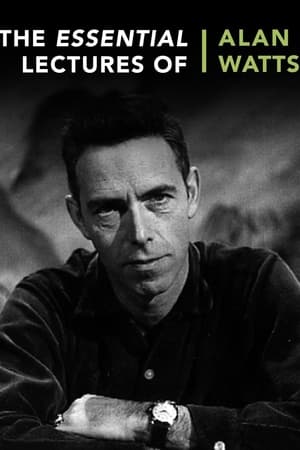
The Essential Lectures of Alan Watts video series was recorded in 1971 above Muir Woods, California, and in 1972 aboard the ferryboat the SS Vallejo in Sausalito. Produced by his son Mark and directed by long-time archivist Henry Jacobs, the series explores core philosophical themes that spawned over Watts' career.
A journey that tells the thought of the greatest protagonists of Western philosophy, from its origins to the great thinkers of the twentieth century, through the story of great contemporary philosophers.
Series of programmes about psychology, in which Jonathan Miller talks to eminent psychologists about their theories and beliefs.
David Malone’s 3-part series takes a fresh look at how the universe was formed, from a scientific and theological point of view. TESTING GOD re-examines the relationship between science and religion and asks: is science’s claim to victory premature?
Au pays du bonheur
Churches: How to Read Them
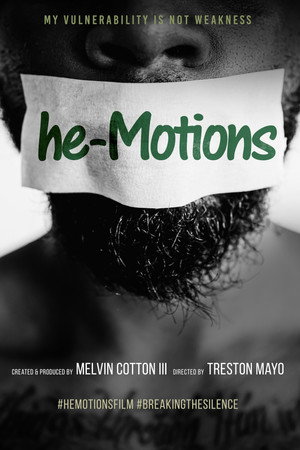
A two part film series exploring the struggles, strength & healing of Black men. “My Vulnerability is NOT weakness.”
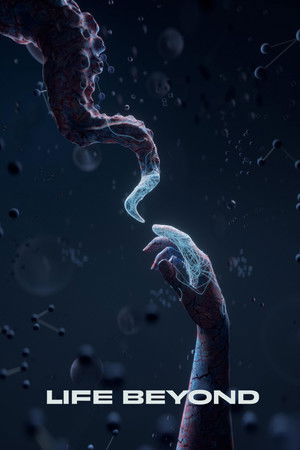
Life Beyond explores humanity's future, the evolution of technology, and the mysteries of the universe. From AI and space exploration to philosophical reflections on existence, each chapter combines stunning visuals with emotional music, creating an immersive experience.
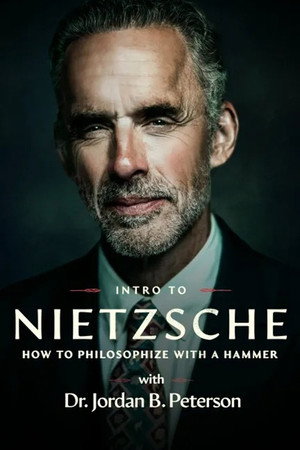
In Introduction to Nietzsche, an eight-hour course, Dr. Peterson embarks on a deep exploration of the life, philosophy, and enduring influence of Friedrich Nietzsche. Set against the backdrop of the late 19th century, we examine how Nietzsche's ideas challenged traditional moral and philosophical foundations, paving the way for new perspectives on the human condition. The course delves into key concepts such as the will to power, the critique of truth and morality, and the affirmation of life in the face of nihilism, while also exploring Nietzsche's complex relationship with religion, academia, and the works of other thinkers. Ultimately, we are invited to confront uncomfortable realities, embrace necessary struggles, and cultivate the courage and gratitude needed to realize our full potential.
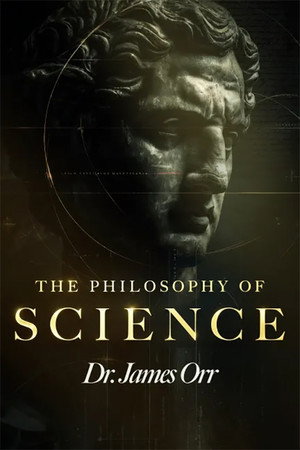
In The Philosophy of Science, an eight-hour course, Dr. James Orr traces the development of science from ancient Greece through the Scientific Revolution to today. He examines how theological, institutional, and philosophical forces shaped science, while tackling key issues like the demarcation problem of science versus pseudoscience, Hume’s problem of induction, Kuhn’s theory of paradigm shifts, and the realism debate. The course also engages fascinating unresolved questions raised by cosmology, neuroscience, and quantum mechanics, ultimately arguing that scientific progress does not eliminate philosophical inquiry but rather deepens it, revealing new mysteries that demand philosophical analysis.
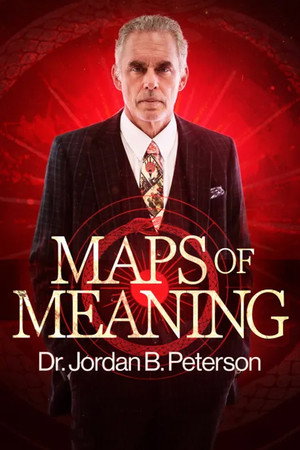
In Maps of Meaning, a twelve-hour course, Dr. Jordan B. Peterson explores the foundations of human consciousness, perception, and the pursuit of meaning. Drawing from psychology, mythology, and neuroscience, he examines how we navigate the tension between order and chaos—not as passive observers, but as active participants guided by goals and values. Central to this exploration is the archetypal hero’s journey, which shows how voluntarily confronting suffering and taking responsibility can transform both the individual and society. Grounded in decades of research and personal experience, Dr. Peterson reveals how religious symbols, archetypal narratives, and social hierarchies shape both the individual mind and collective culture. Through powerful insights, the course demonstrates that proper orientation toward the highest good enables us to transform chaos into meaningful order.