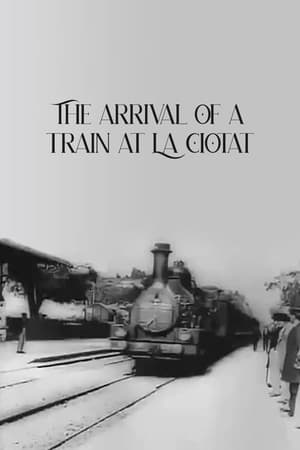
A group of people are standing along the platform of a railway station in La Ciotat, waiting for a train. One is seen coming, at some distance, and eventually stops at the platform. Doors of the railway-cars open and attendants help passengers off and on. Popular legend has it that, when this film was shown, the first-night audience fled the café in terror, fearing being run over by the "approaching" train. This legend has since been identified as promotional embellishment, though there is evidence to suggest that people were astounded at the capabilities of the Lumières' cinématographe.
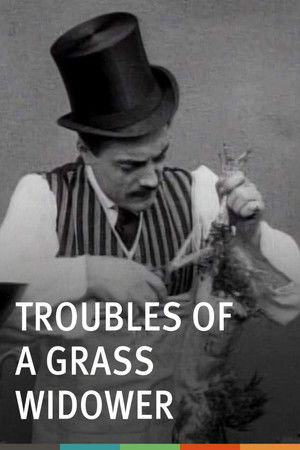
A housewife tires of her husband's annoying behavior and returns to her mother. At first, the husband is quite pleased to have the house all to himself. But he quickly discovers that even the most basic domestic chores can be fraught with difficulty.
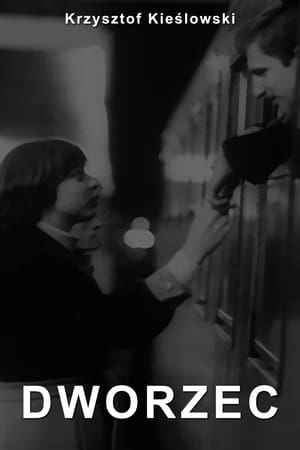
Warsaw's Central Railway Station. 'Someone has fallen asleep, someone's waiting for somebody else. Maybe they'll come, maybe they won't. The film is about people looking for something.
'It was in San Francisco at a punk festival. I was already high and the air was so thick in the rooms that you could cut it with a knife. I had a photograph camera with me; I stood in a corner of the entrance hall and took 36 pictures on slide film. At home I put the slides into a slide projector. I took out the lens and filmed the slides by filming directly from the projector - using single frames according to a certain plan.'
Unable to decipher reality and delusion after his son and wife die, a successful businessman struggles to find peace with his own conscience.
A medium-length film that takes the central place in the video installation "The Lady of Corinth". In both the medium-length film and the installation, Guerin delves into the relationship between cinema and painting based on Pliny the Elder's account of the invention of painting.
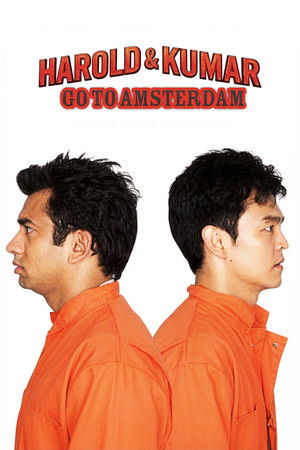
Ever wonder what would have happened if Harold & Kumar had not been sent to Guantanamo and simply made it to Amsterdam? Here's a little something director Jon Hurwitz shot guerrilla-style all over Amsterdam in 3 days.
Five people who are in a show at a bar, who live in this hotel and have very different relationships with one another. After the show – they are already sleeping – they are woken by Pan for the night and therefore wake up to the destruction that is held within them.
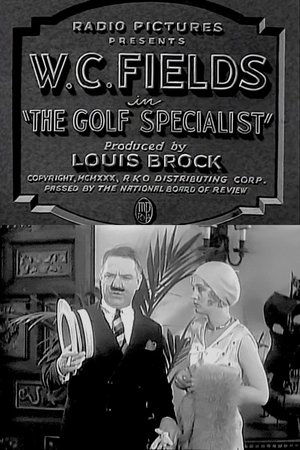
At a Florida hotel, absconding miscreant J. Effingham Bellweather goes slapstick golfing with the house detective's flirtatious wife and an incompetent caddy.
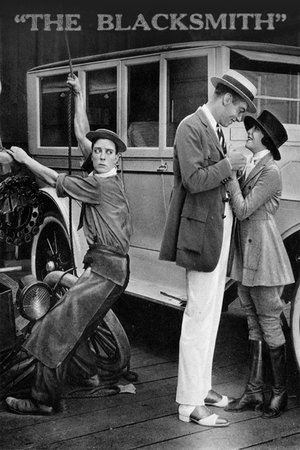
Buster clowns around in a blacksmith's shop until he and the smithy get in a fight which sends the smithy to jail. Buster helps several customers with horses, then destroys a Rolls Royce while fixing the car parked next to it.
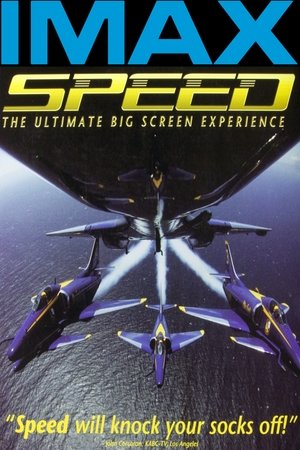
A documentary on the history on mankind's attempts to reach high speeds. Starting with the invention of the bicycle, going on to sports cars, cars with jet engines, rocket-powered cars, attempts to break the sound barrier, and rocket-engine airplanes. Each achievement is documented by title card indicating the speed reached in miles per hour.
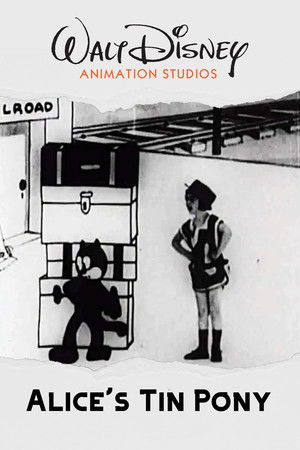
Alice and Julius are driving a train, which is carrying a large payroll. Pete the Bear and his gang find out about it and devise a plan to rob the train.
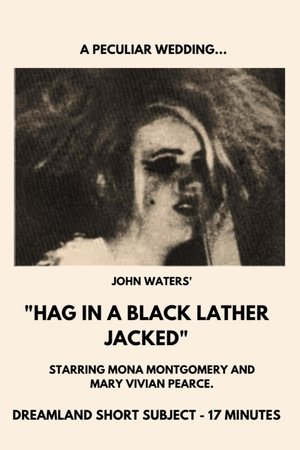
The lurid wedding of a black man and white girl, with a Ku Klux Klansman performing the wedding ceremony. John Waters' first film, made on 8mm, given one showing (making back its budget of thirty dollars) before being retired to his closet.
Short film of manic persecution and robbery of a narcoleptic granny ninja.
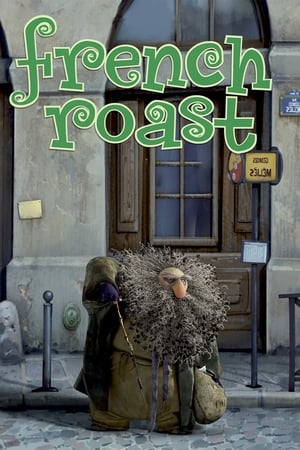
In a fancy Parisian Café, an uptight businessman discovers he forgot to bring his wallet and bides his time by ordering more coffee.
A professor eating his lunch at his work table becomes suspicious of the taste of his cheese. He puts a slice under the nearby microscope. But the crawling creatures thus revealed aren't quite what one might expect. Parody of 'The Unseen World: The Urban-Duncan Micro-Bioscope' series.
A short film advertising the newspaper Sztandar Młodych (The Banner of Youth), noteworthy for its abstract elements painted directly onto film stock. An attempt at showing the complexity of the world in a capsule, the film reflects the new policy of the openness to the West during the Thaw of the late 1950s in Poland.
Short film spinoff of CONFESSIONAL featuring one of the minor characters.
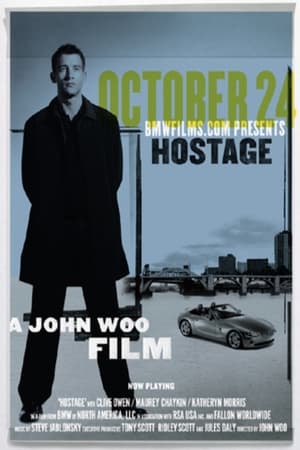
The Driver is hired by the FBI to help defuse a hostage situation. A disgruntled employee has kidnapped a CEO and has hidden her, demanding $5,088,042. The Driver delivers the money, writing the sum on his hand as instructed by the hostage taker. After he is told that he holds the life of a person in his hand, he is ordered to burn the money. As he complies, the federal agents break in and attempt to subdue the man, who shoots himself in the head before he reveals where the woman is hidden. The Driver then tries to find the hostage before she drowns in the trunk of a sinking car. As a twist, the kidnapped woman is revealed to be the hostage taker's lover. She coldly taunts the dying man in the hospital.
The Driver is drafted by the UN to rescue a wounded war photographer named Harvey Jacobs from out of hostile territory. While they are leaving Jacobs tells the Driver about the horrors he saw as a photographer, but he regrets his inability to help war victims. Jacobs answers the driver curiosity about why he is a photographer by saying how his mother taught him to see. He gives the Driver the film needed for a New York Times story and also his dog tags to give to his mother. When they reach the border, they are confronted by a guard who begins to draw arms as Jacobs begins taking pictures, trying to get himself killed. The Driver drives through a hail of gunfire to the border, but finds Jacobs killed by a bullet through the seat. The Driver arrives in America to visit Jacobs' mother and share the news of him winning the Pulitzer prize and hand over the dog tags, only to discover that she is blind.