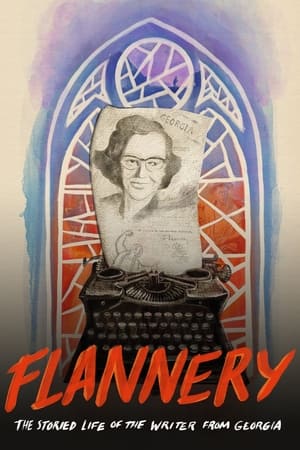
Explore the life of Flannery O’Connor whose provocative fiction was unlike anything published before. Featuring never-before-seen archival footage, newly discovered journals, and interviews with Mary Karr, Tommy Lee Jones, Hilton Als, and more.
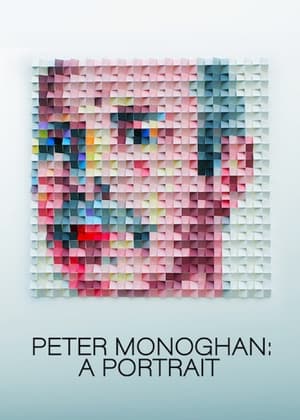
This documentary features a kinetic artist who creates vibrant mixed media works that push the boundary between 2D and 3D.
Every year, thousands of German citizens travel to India, hoping to have a spiritual awakening of their own. In turn, they end up taking bits and pieces of Indian culture back home with them, creating a distorted version of Indian religion that’s practiced widely across Europe. The number of yoga institutes, ashrams, and Sanskrit institutes in Germany indicates that younger generations are far from giving up on this trend. Some are so enamored by this version of Indian culture that they travel thousands of kilometres to meet their spiritual advisors in tents, attend yoga sessions at 5 in the morning, and, in some cases, even adopt Indian names and clothes to try and connect more with this Eastern way of living. But exactly how prevalent is this trend?
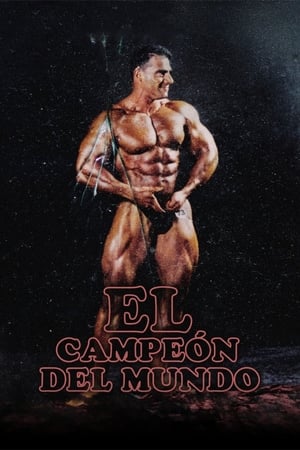
Ten years after winning a world title in bodybuilding in Russia and becoming a star of said discipline in Mexico, Antonio Osta (43) leads a life of austerity in the Uruguayan rural town where he grew up. He resides there with his son Juanjo (17), a sensitive teenager who keeps him company and confronts him openly. Suffering from acute kidney disease which keeps him from competing professionally, Antonio is stuck in limbo, halfway between his glorious past and the impossibility of being who he once was. However, he is unwilling to give up his lifestyle, even if it kills him. In an attempt to reinvent himself, and seeking a better future for his son, Antonio plans a comeback to the Mexico bodybuilding scene, where he may relive his glory days.
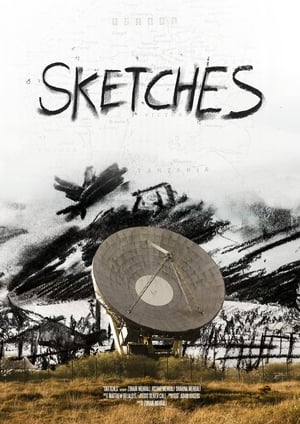
A British artist misses his parents' wedding anniversary for a last-minute sketching commission in Cornwall, but memories of them affect his work along the way.
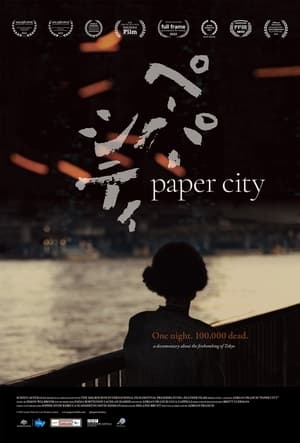
Just after midnight on 10 March 1945, the US launched an air-based attack on eastern Tokyo; continuing until morning, the raid left more than 100,000 people dead and a quarter of the city eradicated. Unlike their loved ones, Hiroshi Hoshino, Michiko Kiyooka and Minoru Tsukiyama managed to emerge from the bombings. Now in their twilight years, they wish for nothing more than recognition and reparations for those who, like them, had been indelibly harmed by the war – but the Japanese government and even their fellow citizens seem disinclined to acknowledge the past.
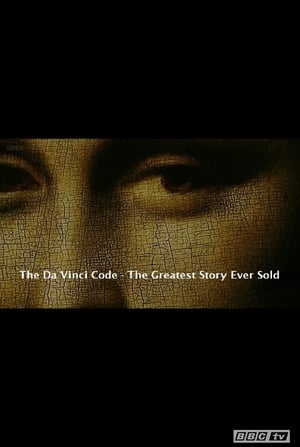
After Dan Brown's publishing phenomenon The Da Vinci Code was cleared of plagiarism charges, this documentary explores the climate which has permitted a fictional story to make such an effective challenge to conventional history that it has forced a counter-attack from the Church, the art world and academics. Has Brown cracked the most difficult code of all our 21st-century cultural DNA?
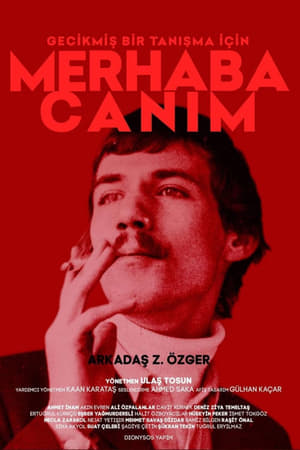
The documentary is titled after Arkadaş Z. Özger’s poem “Hello My Dear” which had caused much controversy in the period it was first published. Considered to be in defiance of heteronormativity, the said poem includes references to the poet’s personality, his family, his relationship to the society, and his “unexpected” death, which came three years after its publication. Today, 50 years after it was written, the documentary follows these same lines in the poem utilising cinematic elements. The documentary also rediscovers the poetics; reaches out to the family, the comrades, the friendships, departing from the official historical accounts, cognizant of his experience of otherness, in pursuit of the “lost” portrait of Arkadaş Z. Özger.
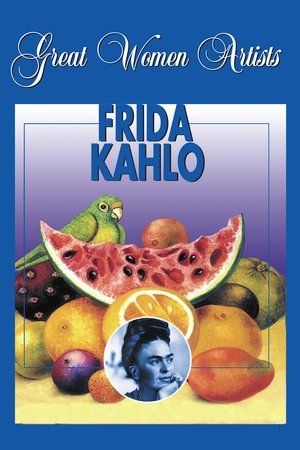
Frida Kahlo began to paint in 1925 while recovering from a streetcar accident that left her permanently disabled. Many of her 200 paintings directly relate to her experiences with physical pain. They also chronicle her turbulent relationship with artist Diego Rivera. Today Kahlo's work is critically and monetarily as prized as that of her male peers, sometimes more so.
This educational film illustrates various textures as students create different kinds of textured art by using ordinary objects and materials.
A film documenting the soulful art, environments, and voices of self-taught artists on the back roads of the American South.
Tell Them We Were Here is an inspirational feature-length documentary about eight artists who show us why art is vital to a healthy society and reminds us that we are stronger together.
Fragments from a portrait of Jean-Louis Costes - sincere artist, versatile designer, poet of excess -, a man forever atoning his anguish through singing, performance, drawing and writing...
At the Creedmoor Psychiatric Center in Queens, New York, Dr. Janos Martin helps treat patients with severe mental illness by encouraging them to express themselves through art, whether in paint, sculpture, or collage. In vivid imagery, brilliant close-ups, and delicate conversations, director Jessica Yu presents the intricate, often visionary, work of these nontraditional artists, allowing the patients to describe their approaches and processes in their own, sometimes tangled, words. With patience and calm resilience, Dr. Martin offers feedback and ideas for best methods to the individual artists, who sometimes scream or are in tears, as he helps them displace their frustrations, and demons, onto canvas. Seen as a collective, these works illustrate the fine line between creativity and distress and illuminate the healing power of expression.
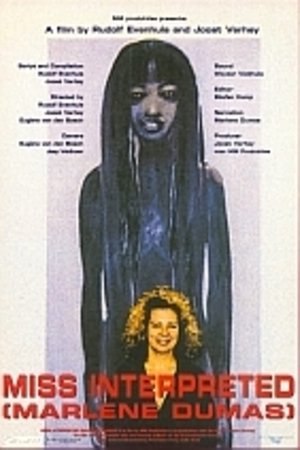
A film about the artist Marlene Dumas: - There's no right way to portray or to understand someone. It's just an acknowledgment , not a denial of reality. Here are my paintings.
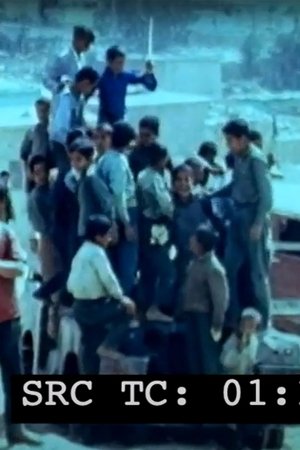
Material filmed during and after the battle of Amman, in September 1970. The images document the rubble after the bombings, showing displaced people in the hall of a building, among the ruins, inside schools, while they are being treated . Some moments of a Yasser Arafat rally are also filmed.
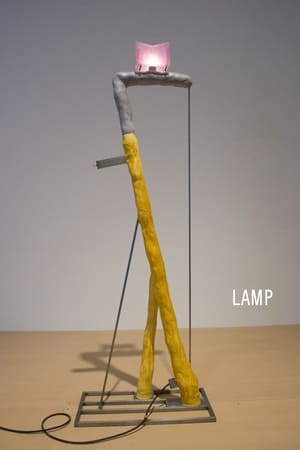
Short documentary of David Lynch building a lamp.
A look at how form, color, smell, consistency, the sounds made during eating, manufacturing technique, history and stories influence food design.
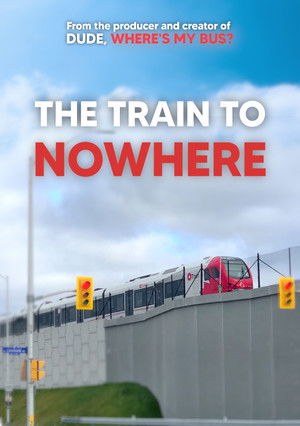
Following the success of Dude, Where's My Bus? (2024), Gio Petti's new documentary The Train to Nowhere shifts focus from buses to rail, centring on the Line 2 expansion of Ottawa’s Light Rail Transit (LRT), a project that many commuters hoped would mark a turning point for transit in the city. The documentary follows Petti as he documents the circumstances surrounding the expansion, the project's transition to a hot-button political issue, and the broader impact on riders who depend on the various systems every day. It also explores themes of retaining optimism and taking charge for change in the transit system in the face of cynicism.
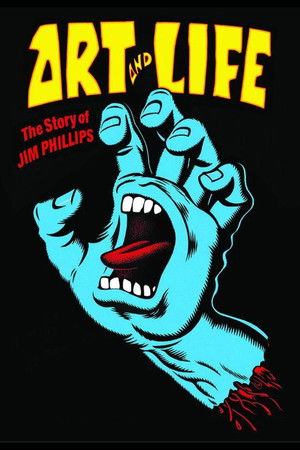
Embark on the epic ride of Jim Phillips, the genius behind skateboarding and rock culture's electrifying art. Drawing inspiration from his life in Santa Cruz, CA, Jim helped shape the golden era of skateboarding. Jim's story is a profound narrative of resilience, passion, and enduring artistic vision. This documentary explores Jim's dynamic life and career, showcasing his iconic work that has defined an era and secured his place in modern art history.