“Shellmound” is the story of how one location was transformed from a sacred center of pre-historic cultures to a commercial mecca for modern people. What began as a Native American burial ground three thousand years ago, was transformed first into an amusement park, and later an industrial age paint factory. Now, the tainted ancient soil sits beneath the glittering lights of Banana Republic, Victoria’s Secret, and the AMC movie theaters. “Shellmound” examines the decisions made during the recent toxic cleanup, excavation, and construction of the Bay Street mall through the eyes of the city of Emeryville, the developer, the archaeologists, and the native Californians who worked on the site.
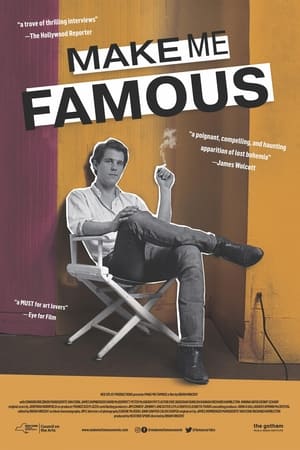
An investigation of Edward Brezinski, an ambitious, charismatic Lower East Side painter hell-bent on sucess, who thwarted his own career with antics that roiled NYC’s art elite. Brezinski’s quest for fame gives an intimate portrait of the art world’s attitude towards success and failure, fame and fortune, notoriety and erasure.
When Brovary village officially became a town, one third of its residents were communist. After 60 years and three revolutions such proportion didn’t change: thirty percent of its streets keep the names of the former empire.
Jose Rivera is a lifelong resident of Spanish Harlem (El Barrio) but is afraid that gentrification will force him out. James Garcia has just bought an apartment across the street from public housing and wonders why locals resist his moving into the neighborhood. James Barrow worries that a construction project in an empty lot behind his building will threaten his apartment. Oscar Dominguez and Movement for Justice in El Barrio protests against gentrification. A town hall meeting pits community members against a City Councilwoman who supports a massive development project in East Harlem.
Discusses the squatters movement, made up of people who live in abandoned houses through necessity and in order to force change in housing policy. Focuses on Philadelphia, where Gloria Giles becomes a leader and gains a national reputation.
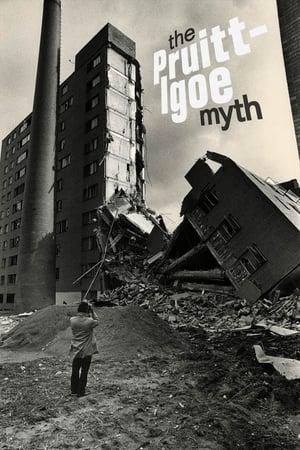
Destroyed in a dramatic and highly-publicized implosion, the Pruitt-Igoe public housing complex has become a widespread symbol of failure amongst architects, politicians and policy makers. The Pruitt-Igoe Myth explores the social, economic and legislative issues that led to the decline of conventional public housing in America, and the city centers in which they resided, while tracing the personal and poignant narratives of several of the project's residents. In the post-War years, the American city changed in ways that made it unrecognizable from a generation earlier, privileging some and leaving others in its wake. The next time the city changes, remember Pruitt-Igoe.
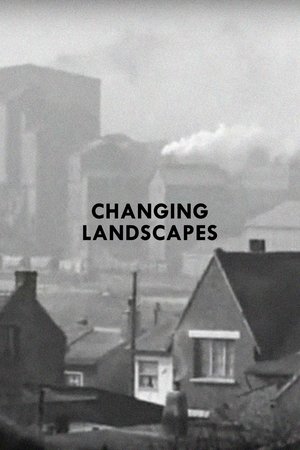
A sophisticated and beautifully constructed account of landscape change in and around Paris in the early 1960s. The film raises complex issues about the meaning and experience of modern landscapes and the enigmatic characteristics of features such as canals, pylons and deserted factories. Rohmer also explores the role of landscape within different traditions of modern art and design and refers to specific architects, artists and engineers.
Bry, a reckless party animal, decides to rip his retired parents from their all-American lives and throw them into the adventure of a lifetime. As Bry and his folks enjoy the Dionysian side of life, they will all learn a bit about themselves & each other.
The military dictatorships, which held power in El Salvador, instituted a way of governing the country that became unsustainable. Electoral frauds were evident, and despite all this, the military continued to perpetuate themselves in power. Little by little, the gap between social classes began to widen, aggravating differences, while inequality grew disproportionally. Due to the lack of opportunity to improve the quality of life of Salvadorans via a political path, guerrilla organizations as well as an armed conflict emerged.
A documentary film about a local pacific northwest artist, Benjamin Cahoon, and his process of making. The film follows his interaction with faith, identity development, and creation, emphasizing the inevitable destructive nature of making.
Invisible Warriors: African American Women in World War II, illuminates the wartime experiences of 600,000 “Rosie the Riveters” - pioneers who courageously triumph over racism and sexism to create job opportunities in industry and government for themselves and future generations of African American women.
In 1978, just after Le fond de l'Air Est Rouge, which mercilessly analyzed the previous ten years of the revolutionary left's momentum until its collapse, Chris Marker made this complementary piece entitled Quand le Siècle a Pris Forme (Guerre et Révolution).
An intimate portrayal of one family’s dynamic while navigating relationships with parents, spouses, and children.
Three representatives of today's young generation: a young man who works at a motorcycle factory, a woman who works at a department store in Tokyo, and a young man. A work for overseas that depicts Japan in an era of steady economic development.
A poetic tribute to writer, poet and environmental activist, Ken Saro-Wiwa, who was executed alongside eight other activists for opposing the environmental damage done in their oil-rich homeland, Ogoni.
A program that explores the strange but true medical mysteries housed in this one-of-a-kind museum in Philadelphia, Pennsylvania.
A single mom raising six kids in a transitional housing program in Brownsville, Brooklyn, Ebony aims to create a better life for her children by moving them into permanent housing. This sensitive narrative playfully blends Ebony's story with footage taken by her children. Their cinematography composes the essence of their day-to-day life, from mundane chores to hard fought moments of dancing and joy. Ultimately, a story of optimism shines from the most unlikely place.
This documentary serves as a beginner’s guide to world of Soviet animation, which covers the entire history of the USSR.
Seven successive Grand Finals, four premierships and a string of champion players.
A documentary that explores the roots and consequences of Argentina's profound economic, political, and social crisis. It offers a critical and analytical look at a system that has proven insufficient and socially unsustainable as a form of development in an Argentina that has witnessed a severe and violent crisis that demands a new form of development and social organization to overcome.