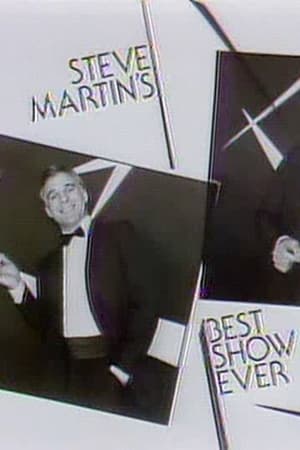
Steve Martin's fourth NBC special was in the spirit of his previous association with Saturday Night Live. It was broadcast live from Studio 8H, produced by Lorne Michaels and featured some original cast members of the show.
In this variety special, Olivia shares the evening with Andy Gibb, Elton John, Ted Knight, Gene Kelly and Toni Tennille. The special included songs from Grease and the Totally Hot album as well as some other artists' covers : the Eagles, Bob Seger, Elton John and Buddy Holly. Olivia also performed a parody of the jazz/blues classic Makin' Whoopee with Gene Kelly, changing the lyrics to Makin' Movies and dealing with Olivia's dream of producing a musical. The show was aired internationally and did very well in the ratings, as did her two previous US television specials on the same network. It is to be noted that Tina Turner's appearance on Olivia's special helped her sign a contract with then Olivia's manager Roger Davies, who ultimately helped her to go back into the spotlight.
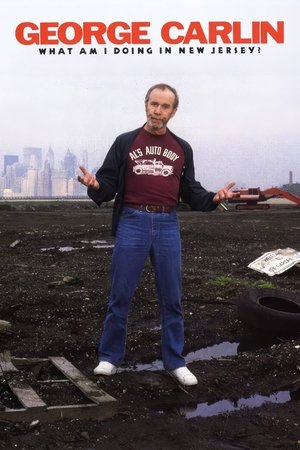
George Carlin hits the boards with the former Hippie-Dippie Weatherman's take on Brooklynese pronunciations of the names of sexually transmitted disease ("hoipes"), plus a prayer for the separation of church and state, feuds between breakfast foods, and the absurdity of wearing jungle camouflage in a desert.
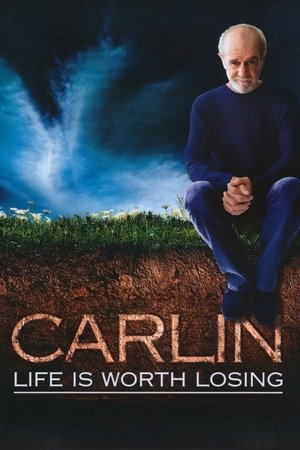
Carlin returns to the stage in his 13th live comedy stand-up special, performed at the Beacon Theatre in New York City for HBO®. His spot-on observations on the deterioration of human behavior include Americans’ obsession with their two favorite addictions - shopping and eating; his creative idea for The All-Suicide Channel, a new reality TV network; and the glorious rebirth of the planet to its original pristine condition - once the fires and floods destroy life as we know it.
Train wreck, some might call it a TV special, proving that not everything was better in the good old days. That includes Rolling Stone Magazine.
Steven, a character from Alice Cooper's album “Welcome to My Nightmare”, encounters a surreal dream fantasy, guided by the spirit of the nightmare.
It's Charlie Sheen's turn to step in to the celebrity hot seat for the latest installment of The Comedy Central Roast.
George Carlin is in top form with these stand-up recorded at the Beverly Theater in Los Angeles in 1986. Routines included are "Losing Things," "Charities," "Sports," "Hello and Goodbye," "Battered Plants," "Earrings," and "A Moment of Silence." Also included is a short film entitled "The Envelope" co-starring Vic Tayback.
George Carlin changes his act by bringing politics into the act, but also talks about the People he can do without, Keeping People Alert, and Cars and Driving part 2.
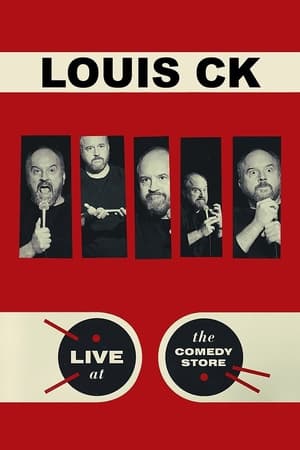
This material was developed and prepared over the last year or so, mostly in comedy clubs. This special kind of goes back to when he used to just make noises and be funny for no particular reason. It felt right to him to shoot this special in a club to give it that live immediate intimate feeling. The show is about an hour long. The opening act, who is seen at the beginning (good place for an opening act) is Jay London. One of his favorite club comics going way back to the late 80s when he first started in working in New York.
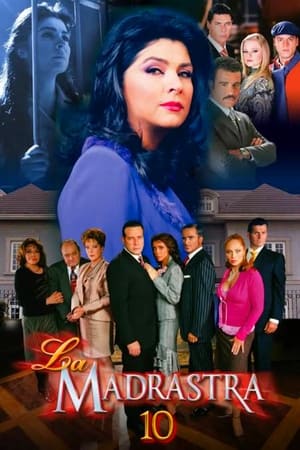
Set ten years after the finale's quintuple wedding, the special portrays the happily reunited San Román family, including four new grandchildren, as well as the Xochimilco residents. The San Románs go to Patricia's lake cabin in order to celebrate their shared ten-year wedding anniversary, unaware that Demetrio, whom they believe died after escaping from prison a year prior, is actually alive and well and is conspiring with his grandson, Ángel and Alma's young son Angelito, and the San Román grandchildren's nanny, Diana, to kill the entire family.
Comedian Paul Hogan opens the door into his private and public life. It’s been 40 years since he first stepped into the comedy limelight, and now at 73, he is ready to share - warts-and-all – his story with fellow comedian Shane Jacobson (Kenny, The Time of our Lives). This relaxed, candid and hilarious program charts his journey from raising a family in a housing commission home, to the highs of Crocodile Dundee, the Golden Globe Awards and performing stand-up at the Oscars. It also delves into the lows of Hogan’s battle with the Australian Tax Office. And right now Paul Hogan is once again set to do what he does best - entertain.
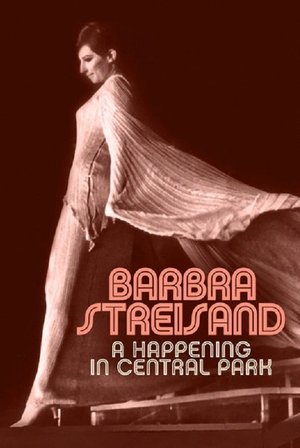
A Happening in Central Park was performed and taped by video cameras on Saturday, June 17, 1967. The concert, sponsored by Rheingold Beer, and free to the public, was held in the Sheep Meadow section of New York City's Central Park. Barbra's television sponsor, Monsanto, captured the event on videotape for airing on CBS at a later date. Barbra took a weekend off from the filming of Funny Girl to perform the concert. On Friday night, June 16th, Barbra and crew rehearsed until very late. Many photos of Barbra in which she wears a headband were taken the evening of the dress rehearsal. (The cover of Barbra's A Christmas Album is actually a photo from the Friday night dress rehearsal in Central Park.) On that evening she tried on different gowns and worked with hairdresser Fred Glaser on alternate hairstyles. Director Robert Scheerer also worked out some of his camera blocking at the Friday night rehearsal. He utilized seven color video cameras to capture the concert.
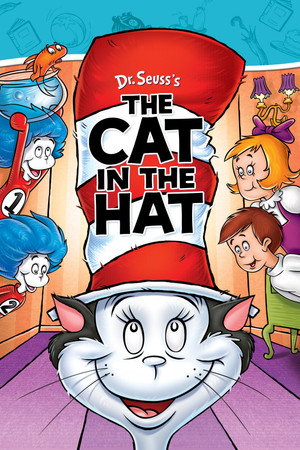
In a marvelously animated version of one of the most beloved of all Dr. Seuss tales, two youngsters find themselves at home with nothing to do on a rainy afternoon. But when the magical, mischievous Cat in the Hat arrives on the scene, they're all cat-apulted into a day of rousing, romping, outlandish antics they - and you - will never forget!
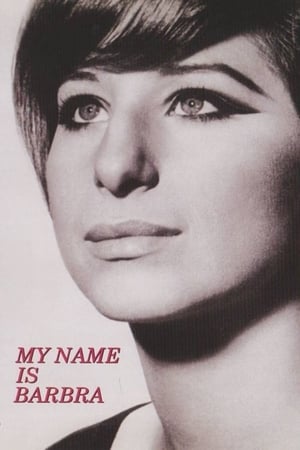
Barbra Streisand's first television special, featuring a medley of her hit songs, such as "People," "Happy Days Are Here Again" and "My Man."
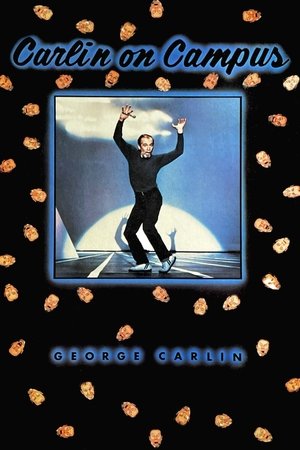
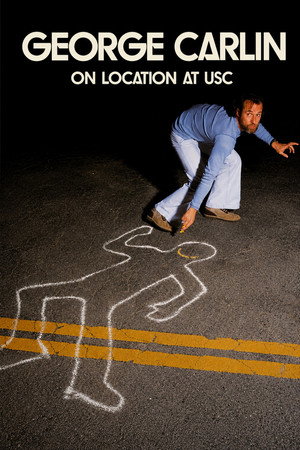
George Carlin's first ever comedy special, filmed live at the University of Southern California. Here, he talks about monopoly, flying on planes, random thoughts, walking, and other things.
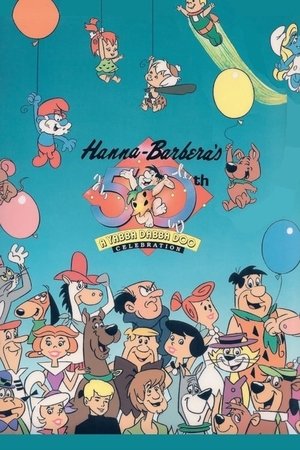
The special is hosted by Tony Danza and Annie Potts celebrating 50 years of William Hanna and Joseph Barbera's partnership in animation. This is the first animated project to be broadcast in Dolby Surround sound system.
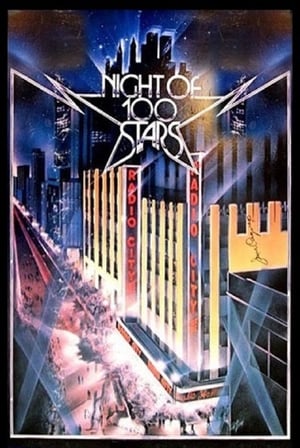
The most glittering, expensive, and exhausting videotaping session in television history took place Friday February 19, 1982 at New York's Radio City Music Hall. The event, for which ticket-buyers paid up to $1,000 a seat (tax-deductible as a contribution to the Actors' Fund) was billed as "The Night of 100 Stars" but, actually, around 230 stars took part. And most of the audience of 5,800 had no idea in advance that they were paying to see a TV taping, complete with long waits for set and costume changes, tape rewinding, and the like. Executive producer Alexander Cohen estimated that the 5,800 Radio City Music Hall seats sold out at prices ranging from $25 to $1,000. The show itself cost about $4 million to produce and was expected to yield around $2 million for the new addition to the Actors Fund retirement home in Englewood, N. J. ABC is reputed to have paid more than $5 million for the television rights.
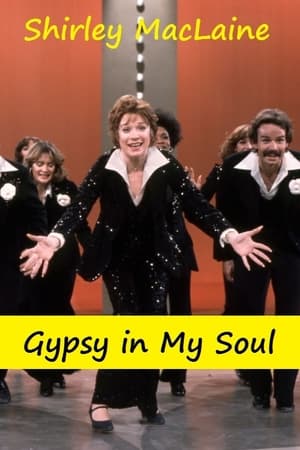
Musical Special featuring Shirley MacLaine in her tribute to chorus dancers, colloquially known as "gypsies." Produced by Cy Coleman and Fred Ebb, the special uses a self-referential show business plot in which the star rehearses for her television special about the life of a dancer. MacLaine performed a wide range of songs including "Lucy's Back in Town," during which Lucille Ball made a "surprise" appearance. The program won Outstanding Special: Comedy-Variety or Music at that year's Emmys as well as awards for writing (Ebb), music composition (Coleman), and choreography (Tony Charmoli).
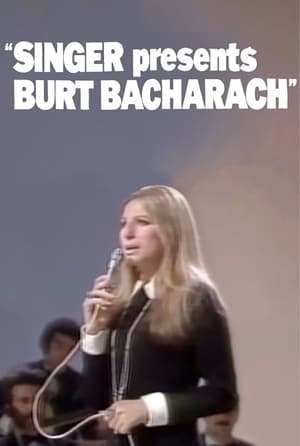
On March 14, 1971, SINGER PRESENTS BURT BACHARACH was shown on CBS and featured Barbra Streisand joining the composer at the piano for an intimate conversation about life, love and music, as well as several performances - in addition to appearances by Tom Jones, Rudolf Nureyev and Bettie De Jong, too.