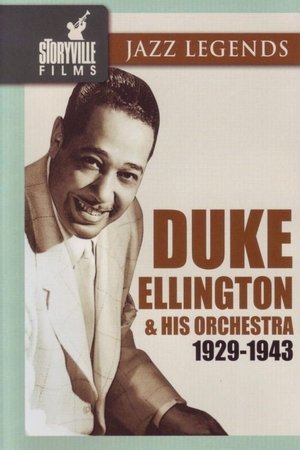
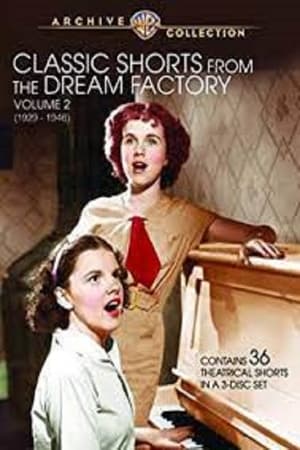
Joined by the likes of saxophonist Ben Webster and trumpeter Cootie Williams, jazz giant Duke Ellington demonstrates in this collection of performance clips (spanning the years 1929-43) precisely why he's one of the seminal figures in American music. Ellington's musical evolution can be seen in excerpts from feature-length and short films that include Black and Tan, Check and Double Check, Symphony in Black and The Hit Parade of 1937.
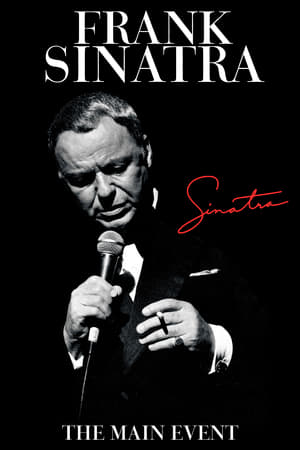
Charged with the electricity of a heavyweight prizefight, " The Main Event " was filmed live at Madison Square Garden, a venue usually reserved for sporting events and rock 'n' roll concerts. Sinatrra dazzies the crowd with contemporay numbers as " You are the Sunshine of My Life ", " Let Me Try Again " and delivers the knockout blow with signature tunes " My Kind of Town " and " My Way ".
The musical short features a romantic story that ties in with the music of Stan Kenton and his Orchestra with June Christy and the Pastels.
Cole Porter times three! Al Kemp and His Orchestra swing "Begin the Beguine," Emil Coleman and His Orchestra sell us "Just One of Those Things," and Skinnay Ennis and His Orchestra love some "(Let's Do It) Let's Fall in Love."
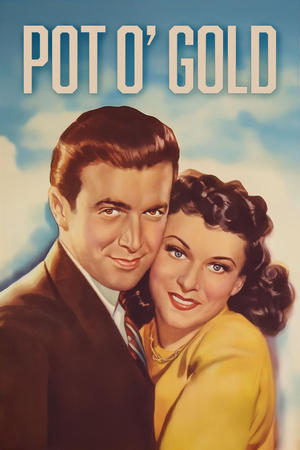
Jimmy, the owner of a failed music shop, goes to work with his uncle, the owner of a food factory. Before he gets there, he befriends an Irish family who happens to be his uncle's worst enemy because of their love for music and in-house band who constantly practices. Soon, Jimmy finds himself trying to help the band by getting them gigs and trying to reconcile the family with his uncle.
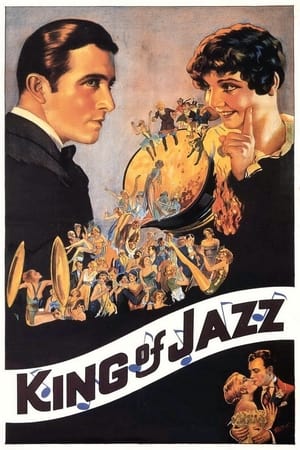
A large-scale revue musical built around Paul Whiteman and his orchestra, presenting a series of musical performances, sketches, and staged tableaux in early two-color Technicolor, emblematic of Hollywood’s early sound-era “all-star” musical productions.
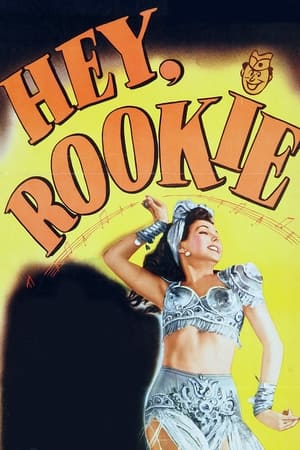
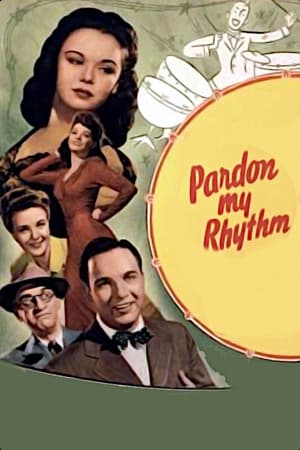
Musical comedy star Jimmy Leighter wants to get away from show biz and his leading lady Winnie Clark, so he joins the Army. There he gets the order to put on a show, Winnie Clark appears in a camp show, hears about his task and offers him his help. He thinks, she does it for her publicity only, so he doesn't want to know anything about this, till he finds out, that she has no such intentions.
A group of musicians is determined to appear on a radio program.
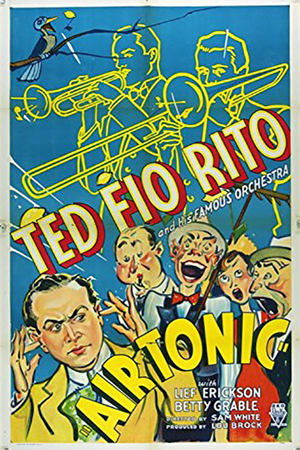
Ted Fio Rito and his Orchestra provide the title element with their snappy tunes fronted at different times by just starting out Betty Grable & Leif Erickson.
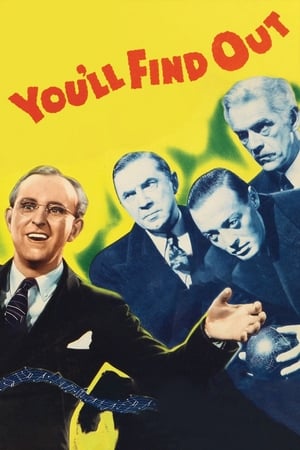
The manager of Kay Kyser’s band books them for a birthday party bash for an heiress at a spooky mansion, where sinister forces try to kill her.
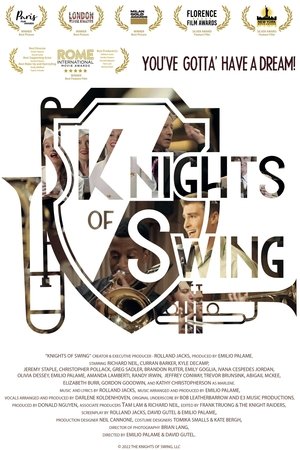
Set in 1947, Knights of Swing is a feature film that chronicles a group of young jazz musicians whose dream is to form a “really swingin’ Big Band”. Unfortunately, things prove much more complicated when the community objects to the diversity of the band. Alliances form, and lines are drawn. What follows is soul searching, uplifting, and through music, our story illuminates forgiveness, healing and unconditional love.
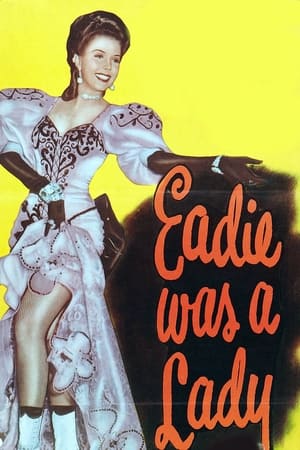
In this amiable Columbia B musical, society girl Ann Miller escapes her Back Bay family by performing in the chorus line in a burlesque house. But trouble starts when her boss (William Wright) decides to build her up as a star. One of the many bread-and-butter Columbia productions graced by the contributions of Cole’s in-house dance studio. Cole dances behind Miller in “I’m Gonna See My Baby.” --Museum of Modern Art
Phil Emerton and his band play tunes and accompany guest performers, including singer-dancer Hannah Williams, the singing Three X Sisters, and acrobatic tap dancers Larry & Larry.
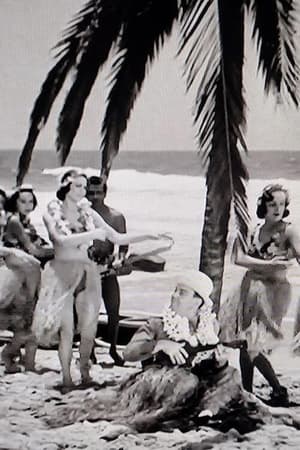
This one-reel musical short, part of the WB/Vitaphone Melody Master series, features the music of trumpet-player and orchestra leader Henry Busse and his Orchestra, playing their own arrangements of various popular songs of the time...or in the Warners' song library. Those include "Wang Wang Blues," "Hot Lips" and "Along the Santa Fe Trail."
A singing bandleader signs on with an all-girls band.
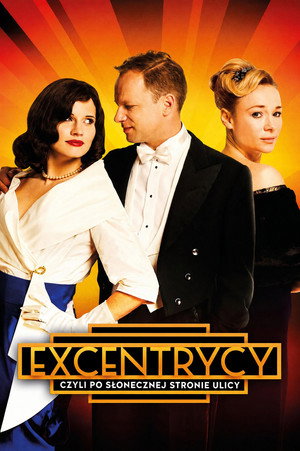
In late 1950s Poland, jazzman Fabian returns from England and forms a swing big band that quickly rises to fame. Their glamorous new singer, the enigmatic Modesta, becomes both the group’s star and Fabian’s love interest. As their success begins to resemble a Hollywood musical, the authorities take a growing interest in their world of music and romance.
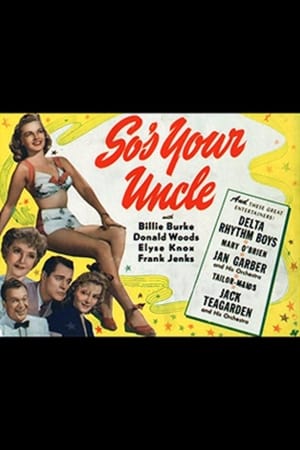
Circumstances arise that result in a man impersonating his uncle. As the "uncle", he finds himself pursued by his girlfriend's aunt, who does not approve of their relationship.
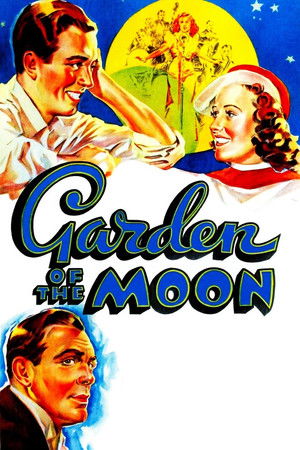
As dancer Ginny Walker performs on stage, a veiled woman in the audience stands up, accuses Ginny of stealing her husband and then fires a gun at her. After Ginny collapses and is taken to her dressing room, the woman, Julia Westcolt, a friend of Ginny's, dashes backstage, discards her veil, and then congratulates her friend on their successful publicity stunt. When Ginny's press agents, Gus Crane and his son Junior, visit their client backstage, she brags about her feat and chides them for not being more creative in promoting her. Horrified at Ginny's brashness, Junior, a conservative Harvard graduate, chastises her and leaves the room.
A midwest band leader and his lead singer share a love-hate relationship as they try for success in New York.
Comedy about a bandleader with hypnotic powers.