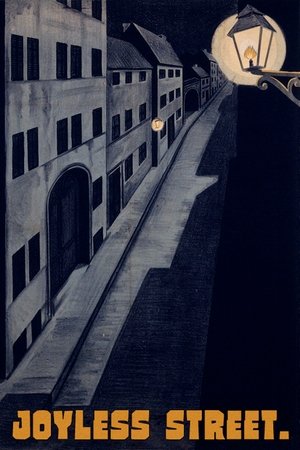
After a chance meeting at a train station, Henry and Stascha, unhappy with their circumstances, are determined to leave and be together.
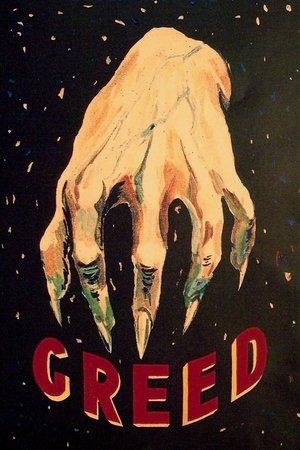
When housewife Trina wins the lottery, her comfortable life with her dentist husband John slowly deteriorates, in part by her own increasing paranoia and partly by the machinations of villainous acquaintance Marcus.
Adrift in the vast expanse of the ocean, a solitary boat carries three castaways—a man and two women. Stranded and devoid of any glimmer of rescue, they find solace in recounting the tales of their lives to one another. As they delve into their personal narratives, reminiscing about the circumstances that led them to this desolate predicament, they navigate through the depths of three distinct destinies. Bound by the confines of their shared space, every aspect of their existence becomes a boundary, underscoring their plight.
In 1921, we follow two women - Marie and Grete - from the same poor Viennese neighborhood, as they try to better the lives of themselves and their families during the period of Austrian postwar hyperinflation.
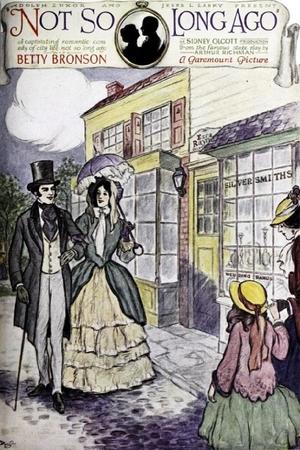
American silent drama film following an early Vitagraph leading man and matinee idol. Prints of the film are held at the Library of Congress and George Eastman House Motion Picture Collection.
This film begins with the invocation of 'almighty god' at a river where several people are gathered. The child god Krishna rises out of the water astride the demon snake Kaliya. Then we see Yashoda as she rocks the sleeping Krishna's crib and imagines the god as Gopala. The next scene shows Kamsa fantasizing about Krishna threateningly duplicated many times around him. Kamsa then imagines himself dead as his severed head rises up and descends again. People of all castes pay obeisance to the deity with the title-card: 'may this humble offering be accepted by the Lord'.
Against the backdrop of New York City of the early 1850s, a young woman -- naively seeking to win the love she reads about in the romance novels she devours -- finds one prospect in an earnest denizen of the Bowery, and another in an elegant young aristocrat. Focusing on the bygone era's fashions, the novelty of the bicycle-built-for-two, and an inventor's quest for the horseless carriage, the film gently stirs the audiences' nostalgia for simpler times.
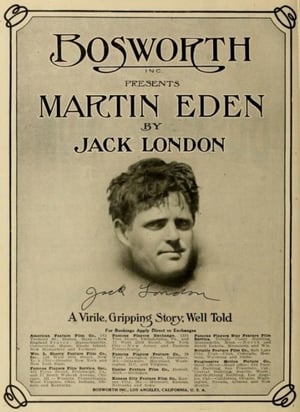
The tale of an individualist proletarian in a time marked by the rise of mass political movements. In early 20th-century Italy, illiterate sailor Martin Eden seeks fame as a writer while torn between the love of a bourgeois girl and allegiance to his social class.
A man with an umbrella emerges from his grave to be momentarily reunited with his lost loved one.
Los opositores
An entire city has lost its voice. Mr. TV, the owner of the city's only television channel, is carrying out a sinister plan to control all of the city's inhabitants.
Due to an unfortunate mistake with laboratory samples, a young husband is diagnosed as suffering from the terrible disease of leprosy. In his distress he decides to leave home.
A tramp cares for a boy after he's abandoned as a newborn by his mother. Later the mother has a change of heart and aches to be reunited with her son.
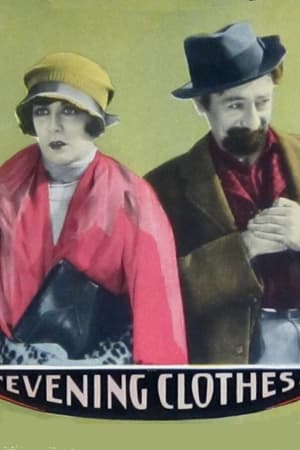
Attracted by his wealth, avaricious Germaine marries D'Artois, then leaves him for a more sophisticated man. D'Artois retaliates by moving to the city and learning the proper social graces. His new life style proves to be too expensive for him, and at the end he is left with nothing but one suit of evening clothes and his now contrite wife.
Just as Galeen and Wegener's Der Golem (1915) can be seen as a testament to early German film artistry, The Story of the Kelly Gang (1906) symbolizes both the birth of the Australian film industry and the emergence of an Australian cinema identity. Even more significantly, it heralds the emergence of the feature film format. However, only fragments of the original production of more than one hour are known to exist, preserved at the National Film and Sound Archive, Canberra; Efforts at reconstruction have made the film available to modern audiences.
A fisherman and a rising lawyer who grew up together as brothers fall in love with the same woman.
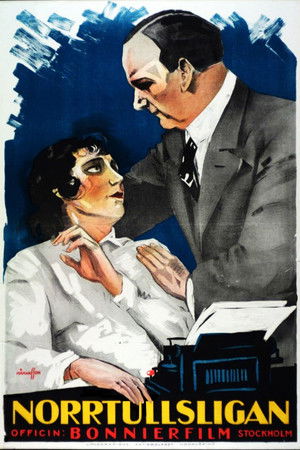
A collective of office girls and their tribulations in the male world, female solidarity, the place of women in the labor and civil rights struggles and the conflict between love and work.
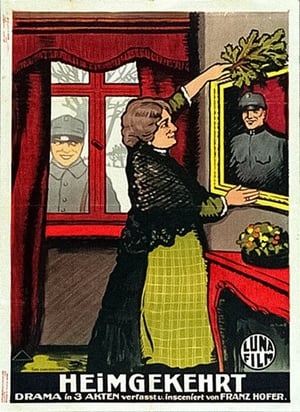
Two young men serving at the front. One comes from a good family, the other's family is poor. But the sister of the middle-class son falls in love with his poor comrade when he returns home for Christmas.
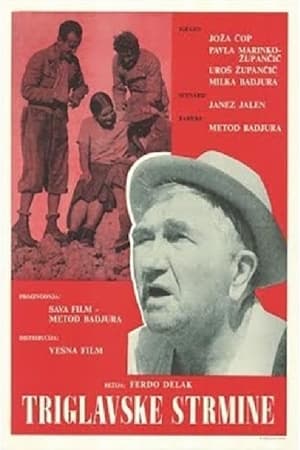
Miha invites his fiancée Minka to the dance, but he's tempted by another big desire of his - climbing. Frustrated Minka insists on the festivity, where she finds herself in a company of older hiker. However, all ends happily, as Minka and Miha, after many smaller adventures, meet at the top of Mount Triglav, where they sign the marriage contract, but also confirming their love for the mountains. In addition to its charming story, the movie features footage of picturesque Slovenian mountains.
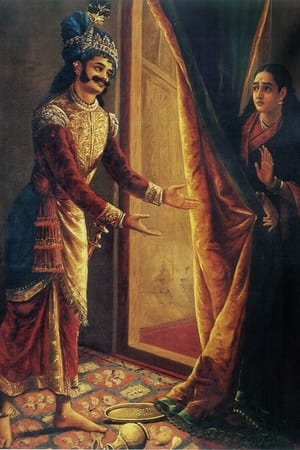
This film is a story from the Mahabharatam where Draupadi, the wife of the Pandavas, resists the advances of Keechaka, a lustful general in the court of King Virata. The confrontation leads to Keechaka's death, highlighting Draupadi's resilience during the Pandavas' exile.