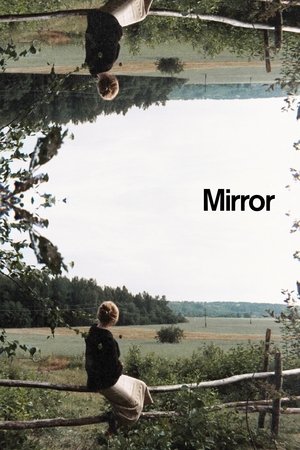
A dying man in his forties recalls his childhood, his mother, the war and personal moments that tell of and juxtapose pivotal moments in Soviet history with daily life.
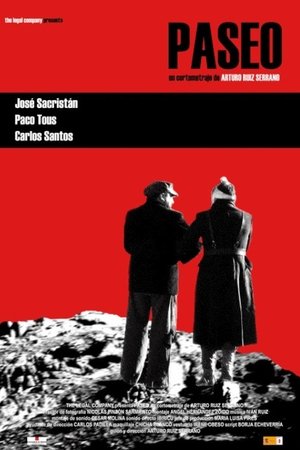
Paseo
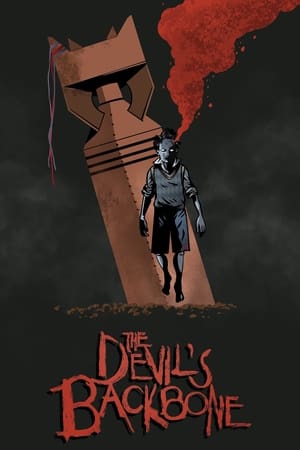
Spain, 1939. In the last days of the Spanish Civil War, the young Carlos arrives at the Santa Lucía orphanage, where he will make friends and enemies as he follows the quiet footsteps of a mysterious presence eager for revenge.
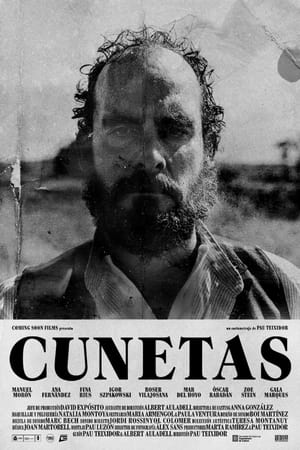
Madrid, Spain. A mutilated man, a war veteran, walks, leaning on a crutch, through the stadium of the Ciudad Universitaria, a place that still preserves in walls and buildings the terrifying traces of one of the bloodiest battles of the Spanish Civil War.
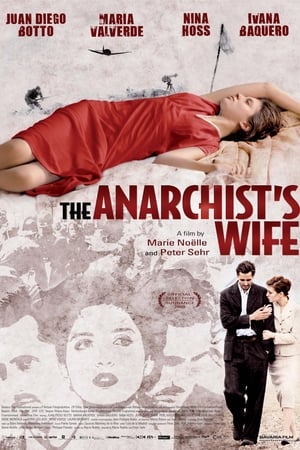
Manuela is left behind when her husband Justo fights for his ideals against Franco's Nationalists during the Spanish Civil War. He is deported to a concentration camp, and upon his release, continues the fight against nationalism in the French resistance. Years pass without a word from him, but his wife never gives up hope of seeing him again.
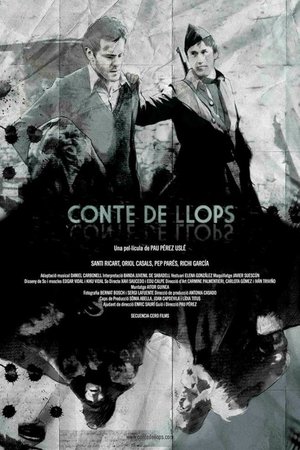
Rafael and Fermin are comrades in the republican army during the Spanish Civil War. In the last days of the conflict, Fermin is fed up with the war and thinking about going home, while Rafael writes a letter to his wife which includes a story for their son. This story, inspired by Jack London's 'White Fang', runs in parallel to events in the war and towards a shared outcome.
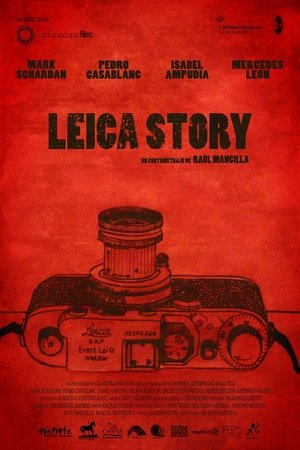
Robert is a war photographer who moves to an andalusian village after the Spanish Civil War, watching in the population a panorama of sadness and pain. Because of his arrival, stories that happened there in the past resuscitate.
During the Spanish Civil War, a family of farmers must face the fascist threat. Tired of turning the other cheek, they will make an unexpected decision.
1938. During the Spanish Civil War, a soldier is executed along with his comrades. Under the corpses of his friends he discovers that he is not dead.
Javier Navarro, a Falangist, is ordered to infiltrate Republican Madrid to deliver a message to a member of the Fifth Column.
Gilda Bessé shares her Paris apartment with an Irish schoolteacher, Guy Malyon, and Mia, a refugee from Spain. As the world drifts toward war, Gilda defiantly pursues her hedonistic lifestyle and her burgeoning career as a photographer. But Guy and Mia feel impelled to join the fight against fascism, and the three friends are separated.
The intertwined lives of three men in three different eras, three lives intimately linked by sexuality and desire, pain, and legacy.
Based on the life of Marino Ayerra, who was appointed as parson priest of Alsasua (Navarra) two days before the start of the Spanish Civil War.
Love story during the Spanish civil war in a psychiatric hospital.
Ángel Pedrosa (Álex González, Fernando Luján) returns to Bruma (Córdoba), his hometown, from where he had to flee during the Civil War. He returns to reconstruct his family's history, to forgive himself, and to remember others. Ángel stitches together the fragments of his life during Spain in the second half of 1939. His first love, the hatred of the post-war period, the intolerance and the passages he went through until he had to flee, hastily, out of his homeland to not return until many years later.
During the early moments of the Spanish Civil War, in a spanish village, Isidoro lives with his father Lucas and his horse Coco. Isidoro witnesses how his father, torn apart by their debts, wages his frustration upon Coco.
Spain, 1938. A woman is quietly planting seeds in her garden when two armed soldiers appear. Before being detained, she hides some of the seeds in her pocket.
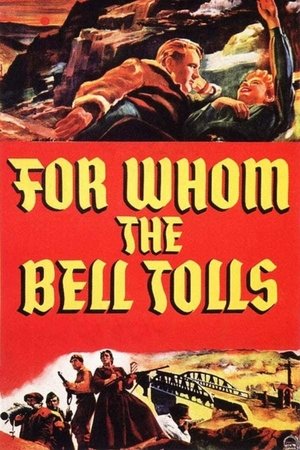
Spain in the 1930s is the place to be for a man of action like Robert Jordan. There is a civil war going on and Jordan—who has joined up on the side that appeals most to idealists of that era—has been given a high-risk assignment up in the mountains. He awaits the right time to blow up a crucial bridge in order to halt the enemy's progress.
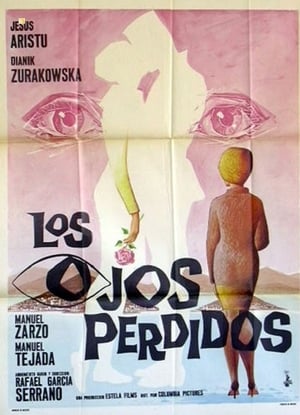
Los ojos perdidos
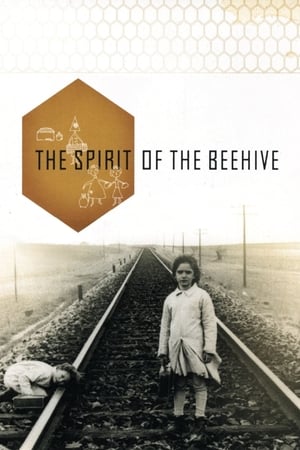
In 1940, in the immediate aftermath of the Spanish Civil War, a young girl living on the Castilian plain is haunted after attending a screening of James Whale's 1931 film Frankenstein and hearing from her sister that the monster is not dead, instead existing as a spirit inhabiting a nearby barn.