It's just a plain brown package, but everyone wants it. A classic MacGuffin in an existential Noir about role, identity, and desire.
The Object Woman
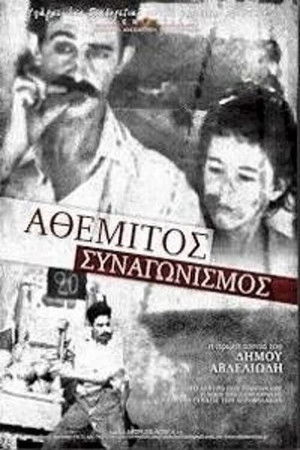
Two brazenly inept thieves attempt to rob a bank without a plan, a clue-or a gun.
A hard-headed tomboy spots the unlikely solution to all her problems in an all-male religious ritual.
An actress dressed as a nun flounces off a film set and has a series of encounters on the streets of London.
An Icelandic volcano has blocked air traffic and Thelma’s parents are stuck overseas. Until planes start flying across the sky again Jean, Vincent and Thelma share the same roof.
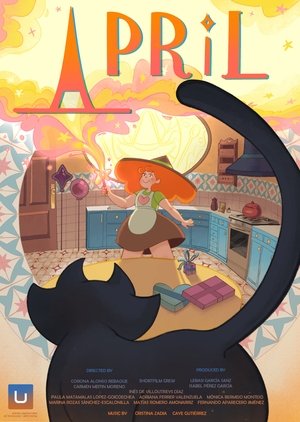
A woman tells a fairy tale to her baby, but actually it's a true story of life and love.
Soyeon goes to visit the house of her friend Jihe, who has just passed away. In her room, she will discover a stash of dildos. She will have to hide them from Jihe’s family, but all sorts of struggles will come her way.
Mary Lou is unhappy in love and decides to reconnect with her religious roots by marrying a practicing Jew. In order to get married, she has to pass the Shidduch test, which will determine whether her life will be a success or failure.
Three Sámi men travel to the capital of Norway. One of them is wearing gákti, the Sámi traditional costume, to attract Norwegian women. The second one believes it unethical to do this, and the third is bitter that he doesn't attract women when he wears the gákti. Indigenous Police is a Sámi short film told with humor and political sting. It is an identity satire about how people, both the Sámi and the majority population, consciously and unconsciously define what is the right way to be Sámi.
Usually a reserved guy, Greg struggles to keep up with young, unpredictable Josh on their first date. But as the night continues, things spiral out of control and the two men must confront the generational divide in this cutting and insightful comedy about what it means to be gay in contemporary America.
This apocalyptic linguistic comedy meditates on the relationship between language, meaning and social decay and is scripted from "double-speak" language found in a variety of media sources. Drawing its title from the Pentagon's term for crash, Involuntary Conversion evokes the hollowness and free-floating anxiety that characterizes late 20th century culture. In a voice that could belong to a hypnotist or a government spokesman, a disembodied speaker recounts a string of events whose common thread is a sense of impending disaster. The mood is suspended somewhere between nightmare and deadpan and is propelled by a narrative as enigmatic as the language it exposes. The iconic shape of a fighter jet floating in a perfect sky has the creepy feel of a video game and the texture of television is used to make the images feel domestically ingrained.
Six characters meet in a bath house. The pedant bath house manager, a couple with a strange way of communicating and a gang with shady intentions. Something goes wrong.
In a rare instance of literary adaptation, Chytilová was inspired by Franz Kafka’s writings. Mr. K stashes stolen jewelry away at home and seldom allows his wife to wear it. A nosy neighbour, Mr. B, drops in. A cat observes it all.
The story involves Arbuckle coming to the western town of Mad Dog Gulch after being thrown off a train and chased by Indians. He teams up with gambler/saloon owner Bill Bullhum, in trying to keep the evil Wild Bill Hickup away from Salvation Army girl, Salvation Sue. Fatty and Buster have a series of adventures trying to beat St. John, until they discover his one weakness: his ticklishness.
Upon waking from the dream of a theater peopled entirely by numerous Buster Keatons, a lowly stage hand causes havoc everywhere he works.
A mix of guns and mistaken identity leads to chaos in this satirical parody of William S. Hart's melodramatic westerns, finding Buster in the frozen north - "the last stop on the subway".
Botany major Buster mistakenly graduates in electrical engineering and is hired to wire a new home.
In an attempt to forget his lost sweetheart, Buster takes a long trip at the sea when he's caught by pirates.
In this Oscar-winning short film, Norman McLaren employs the principles normally used to put drawings or puppets into motion to animate live actors. The story is a parable about two people who come to blows over the possession of a flower.