This live performance includes a 10 song concert in Amsterdam, plus 4 exclusive uncut videos. Extras include tour of The Red Light District, interview, photo gallery, weblinks to bonus online content, and bonus video content.
An intimate look at the Woodstock Music & Art Festival held in Bethel, NY in 1969, from preparation through cleanup, with historic access to insiders, blistering concert footage, and portraits of the concertgoers; negative and positive aspects are shown, from drug use by performers to naked fans sliding in the mud, from the collapse of the fences by the unexpected hordes to the surreal arrival of National Guard helicopters with food and medical assistance for the impromptu city of 500,000.
The Goose Lake International Music Festival held August 7–9, 1970 in Leoni Township, Michigan, "was one of the largest music events of its era", and featured many of the top rock music bands of the period. Songs performed include: Savage Grace - All Along The Watchtower, John Sebastian - Darling Be Home Soon, Harmonica Solo - Teegarden & Van Winkle, Ten Years After - Sweet Little Sixteen, The Stooges - 1970, Mountain - Ain't Got A Dime Jam, Mississippi Queen.
The personal and social tragedy of drug addiction with its evil accompaniment, drug traffic. Over the side of the silent liner in the darkness slips the package of smuggled narcotics, introducing us to the complex problem which involves all races and classes of man. We see many aspects of addiction - the addict preparing an injection, a group waiting tensely for their dope peddler; agents preparing and adulterating the illegal product; the police catching a pusher red-handed. International and national authorities are working from two angles - suppression of the illicit traffic; and where possible, rehabilitation of the addict.
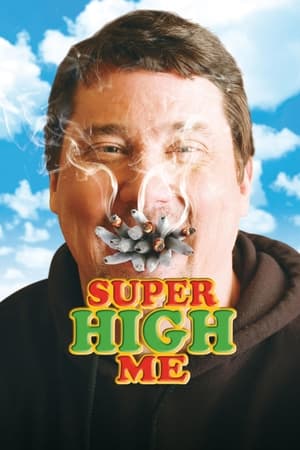
Determined to find out the true effects of marijuana on the human body, stand-up comedian and former Stoner of the Year Doug Benson documents his experience avoiding pot for 30 days and then consuming massive amounts of the drug for 30 days. More than just an amusing story of one man's quest to get superhigh, this documentary also examines the hotly contested debate over medical marijuana use.
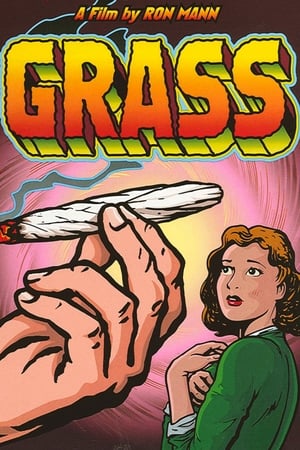
Marijuana is the most controversial drug of the 20th Century. Smoked by generations to little discernible ill effect, it continues to be reviled by many governments on Earth. In this Genie Award-winning documentary veteran Canadian director Ron Mann and narrator Woody Harrelson mix humour and historical footage together to recount how the United States has demonized a relatively harmless drug.
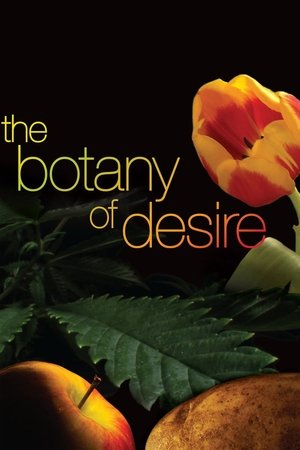
Featuring Michael Pollan and based on his best-selling book, this special takes viewers on an exploration of the human relationship with the plant world — seen from the plants' point of view. Narrated by Frances McDormand, the program shows how four familiar species — the apple, the tulip, marijuana and the potato — evolved to satisfy our yearnings for sweetness, beauty, intoxication.
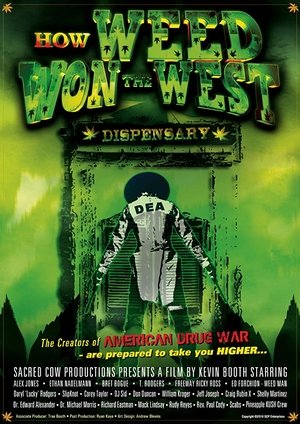
While California is going bankrupt, one business is booming. "How Weed Won the West" is the story of the growing medical cannabis / marijuana industry in the greater Los Angeles area, with over 700 dispensaries doling out the buds. As a treatment for a wide range of conditions, cannabis is quickly proving itself as a healthier natural alternative to many prescription drugs.
The Culture High tears into the very fibre of the modern day marijuana debate to reveal the truth behind the arguments and motives governing both those who support and oppose the existing pot laws.
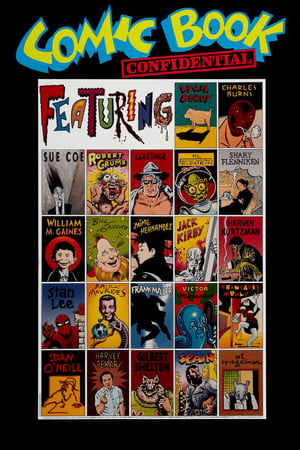
A survey of the artistic history of the comic book medium and some of the major talents associated with it.
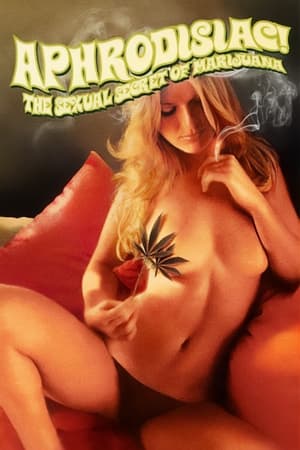
A documentary examining the use of marijuana by young people in the late 1960s and early 1970s. Included are interviews with people who regularly use marijuana and testify to its beneficial effects as an aphrodisiac and scenes of nude encounter groups, instructions for making marijuana brownies, soldiers in Vietnam smoking marijuana, etc.
The war on drugs has been going on for more than three decades. Today, nearly 500,000 Americans are imprisoned on drug charges. In 1980 the number was 50,000. Last year $40 billion in taxpayer dollars were spent in fighting the war on drugs. As a result of the incarceration obsession, the United States operates the largest prison system on the planet. Today, 89 percent of police departments have paramilitary units, and 46 percent have been trained by active duty armed forces. The most common use of paramilitary units is serving drug-related search warrants, which usually involve no-knock entries into private homes.
Politicians promise to lead the country out of the worst drug crisis in its history, but opioid abuse continues to kill Americans in record numbers. Are our leaders ignoring a lifesaving solution? Over 115 Americans die every day from opioid overdoses, more than those killed in car accidents, from breast cancer or even guns. Nearly 2.5 million Americans struggle with opioid addiction, and though controversial, some people believe a potentially lifesaving solution may lie in medical marijuana. In the fourth installment of his groundbreaking series, CNN chief medical correspondent Dr. Sanjay Gupta takes an in-depth look at marijuana’s potential as both an alternative to opioids in treating pain and in ending opioid addiction.
Celebrating music and marijuana, the all-day Smoke Out Festival features blazing performances from a wide range of bands and musicians -- from punk rock to hip-hop -- as captured in this 2002 fifth annual concert. Circle Jerks, Bone Thugs-N-Harmony, Everlast and concert organizers Cypress Hill are just some of the eclectic artists included in this event's lineup. Snoop Dogg performs several of his hits, including "Murder Was the Case."
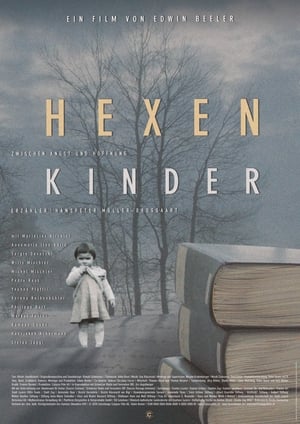
In 1609, Henry IV sent Inquisition judge Pierre de Lancre to the French Basque Country to investigate witchcraft. In the trials, 80 people were sentenced to death at the stake. Between the 15th and 17th centuries, a total of between 40,000 and 60,000 people fell victim to such waves of persecution in Europe. How can this phenomenon be explained?
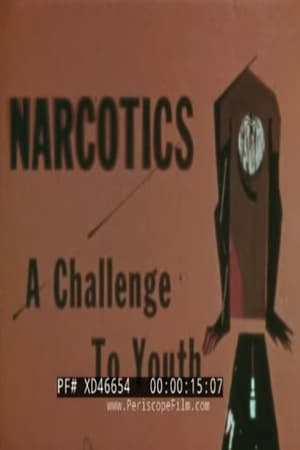
An educational film sponsored and distributed by the Los Angeles-based Narcotic Educational Foundation of America and directed by Gilbert Lasky with financial assistance of the Woman’s Relief Corps targets teachers as well as junior and senior high school students in the war on drugs. Narcotics are classified and effects of opiates, stimulants, and barbiturates are summarized and dramatized
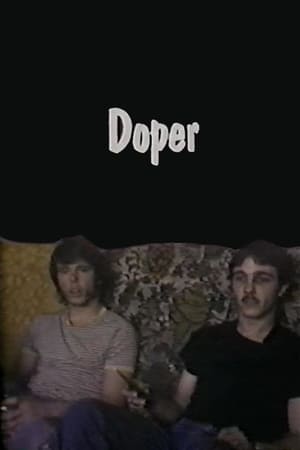
This experimental 1970 color documentary film, ostensibly designed to provoke classroom discussion employs a boldly unconventional approach to addressing the issues of drug addiction, featuring the music of Canadian singer-songwriter Bruce Cockburn. The film eschews narration for montage effects and extended fly-on-the-wall scenes of various drug users in conversation.
This 1971 color anti-drug use and abuse film was produced by Concept Films and directed by Brian Kellman for Encyclopedia Britannica. “Weed: The Story of Marijuana” combines time-lapse, montage, illustrations, animation (by Paul Fierlinger and emigre Pavel Vošický) and dramatized, documentary-style interviews to survey the evolving role of cannabis in U.S. society, with emphasis on the legal risks faced by young people. A unique score of experimental synthesizer music is provided by Tony Luisi on an EMS VCS 3 “Putney”
This film presents a series of extemporaneous interviews with teenagers and young adults who have taken narcotics for "kicks," "association," or "curiosity." Residents of the California Rehabilitation Center relate how they were introduced to narcotics, why they wished they had not used drugs or narcotics, and what the future holds for them. Film is shot in Hollywood, Calif.
A look at the people who use and champion the treatment of cancer with Cannabis.