Eami means ‘forest’ in Ayoreo. It also means ‘world’. The story happens in the Paraguayan Chaco, the territory with the highest deforestation rate in the world. 25,000 hectares of forest are being deforested a month in this territory which would mean an average of 841 hectares a day or 35 hectares per hour. The forest barely lives and this only due to a reserve that the Totobiegosode people achieved in a legal manner. They call Chaidi this place which means ancestral land or the place where we always lived and it is part of the "Ayoreo Totobiegosode Natural and Cultural Heritage". Before this, they had to live through the traumatic situation of leaving the territory behind and surviving a war. It is the story of the Ayoreo Totobiegosode people, told from the point of view of Asoja, a bird-god with the ability to bring an omniscient- temporal gaze, who becomes the narrator of this story developed in a crossing between documentary and fiction.
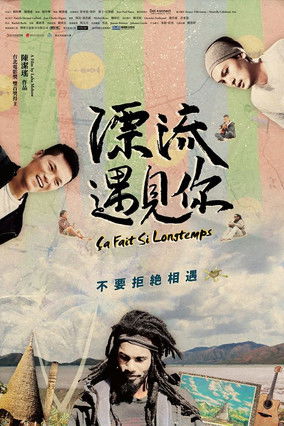
Is it possible that a group of people share our culture and fate, but are drifting in another part of the ocean? Taiwanese aboriginal musicians, Suming and Baobu, are invited to New Caledonia for a month of musical exchange. They lived with local Kanak musicians, playing music and sometimes composing together. In the end, they all found that the secret to innovation and globalization is to re-discover one’s own cultural roots.
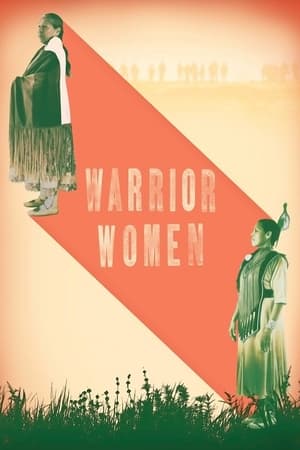
Through the figure of Lakota activist and community organizer Madonna Thunder Hawk, this inspiring film traces the untold story of countless Native American women struggling for their people's civil rights. Spanning several decades, Christina D. King and Elizabeth A. Castle's documentary charts Thunder Hawk's lifelong commitment, from her early involvement in the American Indian Movement (AIM), to her pivotal role in the founding of Women of All Red Nations, to her heartening presence at Standing Rock alongside thousands protesting the Dakota Access Pipeline. She passed her dedication and hunger for change to her daughter Marcy, even if that often meant feeling like comrades-in-arms more than mother and child. Through rare archival material—including amazing footage of AIM's occupation of Wounded Knee—and an Indigenous style of circular storytelling, Warrior Women rekindles the memories and legacy of the Red Power movement's matriarchs.
How Inuit peoples perform arts and crafts, on the island of Baffin Island on what is now the territory of Nanavut.
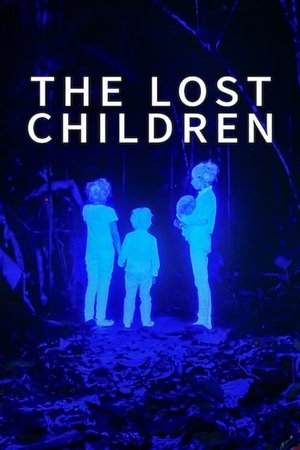
After a plane crash, four indigenous children fight to survive in the Colombian Amazon using ancestral wisdom as an unprecedented rescue mission unfolds.
Nestled at the heart of Canada’s national capital, the Wabano Centre for Aboriginal Health has been a haven for generations of Indigenous people from many cultures since its founding in 1998. A place of togetherness, thecentre celebrated a large expansion in 2013 designed by renowned First Nations architect Douglas Cardinal, which greatly increased its ability to serve Ottawa’s Indigenous population in one of the city’s poorest neighbourhoods. Under the determined leadership of Allison Fisher, Wabano has become far more than a health centre; through its focus on Indigenous pillars of healing and good health, Wabano has become a home for many.
A photograph of an unknown Mapuche great-grandmother is the starting point of this documentary essay. Through the analysis of said picture, conversations with family members, a trip to southern Chile cities, and an actress who re-enacts the photo, we see the existing prejudice against indigenous people.
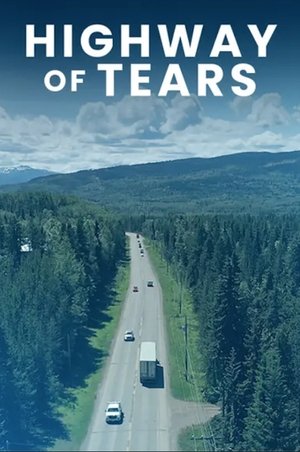
Discover the endless highway in British Columbia where over 40 indigenous women and girls (by unofficial estimates) have disappeared since the 1970s.
Shigeki, one of the Ainu people of northern Japan, follows the traditions of his ancestors and teaches his son Motoki about their heritage. But how can old customs be revived after centuries of suppression?
For more than a century the great colonial powers put human beings, taken by force from their native lands, on show as entertainment, just like animals in zoos; a shameful, outrageous and savage treatment of people who were considered subhuman.
In this tense and immersive tour de force, audiences are taken directly into the line of fire between powerful, opposing Peruvian leaders who will stop at nothing to keep their respective goals intact. On the one side is President Alan Garcia, who, eager to enter the world stage, begins aggressively extracting oil, minerals, and gas from untouched indigenous Amazonian land. He is quickly met with fierce opposition from indigenous leader Alberto Pizango, whose impassioned speeches against Garcia’s destructive actions prove a powerful rallying cry to throngs of his supporters. When Garcia continues to ignore their pleas, a tense war of words erupts into deadly violence.
This documentary reveals the impacts of the Sixties Scoop, a period in which a series of Canadian policies enabled child welfare authorities to take, or “scoop up,” Indigenous children from their families and communities for placement in white foster homes. Explore Indigenous resilience through narrative sovereignty as experienced through the Little Bird series’ Indigenous creatives, cast, crew & community members.
An anthology of stories about the indigenous Nenet peoples of the Northern Russian tundra, and how their way of life was disrupted by the advent of Soviet power.
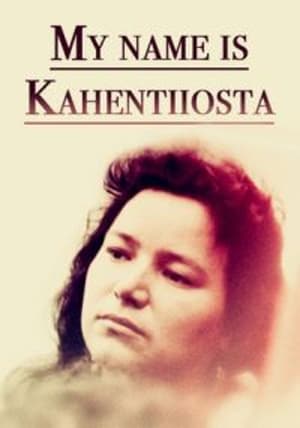
This documentary short by Alanis Obomsawin tells the story of Kahentiiosta, a young Kahnawake Mohawk woman arrested after the Oka Crisis' 78-day armed standoff in 1990. She was detained 4 days longer than the other women. Her crime? The prosecutor representing the Quebec government did not accept her indigenous name.
Where did everyone go who had something to say? Alongside Serge Fiori, eleven indigenous artists cover the iconic song in their own language and prepare to perform it live.
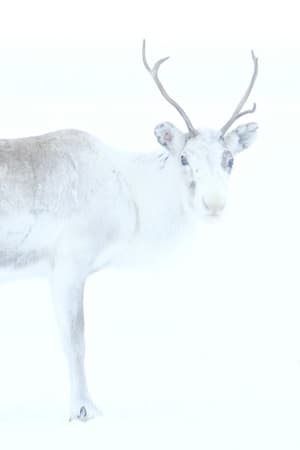
The third and final part of a trilogy based on Arctic creation myths. The film is a multifaceted tissue weave of myths and traditions reflected in the symbiosis between reindeer, human and landscape.
A cinematic wonder & incredible opportunity to learn about Indigenous ways of knowing. A group of puppeteers are transformed by their experience of "being buffalo" at night under the stars. Amethyst First Rider tells the puppeteers, "You are the buffalo. With each movement of your hands, each connection, you're creating energy & they become a part of you." In 2017 history was made when bison were reintroduced to Banff National Park where they continue to roam free today. The project was part of the historic Buffalo Treaty, with over 40 First Nation signatories, who are part of the movement to bring buffalo back to their ancestral lands. Leroy Little Bear & Amethyst First Rider lead this movement, & since Amethyst is first & foremost an artist, she wanted to celebrate the return of the buffalo through art. She met master puppeteer, Pete Balkwill, who was working with sculptural lantern puppets with his collaborators that lent themselves to night time performances on the land
Ameríndia - Memória, Remorso e Compromisso no V Centenário
Ñande Guarani (Nós Guarani)
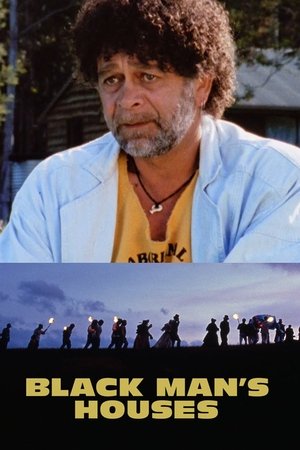
In 1832 the government of Van Diemen’s Land sent the last Aboriginal resistance fighters into exile at Wybalenna on Flinders Island, bringing an end to the Black War and opening a new chapter in the struggle for justice and survival by Tasmanian Aboriginal people. Black Man’s Houses tells a dramatic story of the quest by Aboriginal people to reclaim the graves of their ancestors against a background of racism and denial. Documenting a moving memorial re-enactment of the funeral of the great chief Manalargenna, the film also charts the cultural strength and resilience of his descendants as they are forced to fight for recognition in a society that is not ready to remember the terrible events of the past.