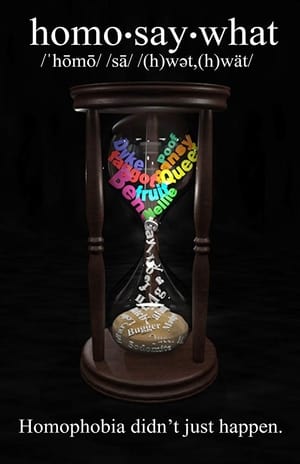
A short 1994 documentary that highlights the lives and experiences of a few LGBTQ+ residents of the Palouse. Filmed and narrated by Jeff Olson. Produced by the Latah/Nez Perce Voices for Human Rights. The film was digitized and provided by the Boise State University Special Collections and Archives.
A short documentary immersing you in the intimacy and harsh reality of young LGBTQ+ artists, working in Los Angeles in the midst of the glamorous neighborhood of West Hollywood.
The rise, fall, and legacy of gay rights warrior Jeffrey Montgomery, and the struggle for equality in the Midwest.
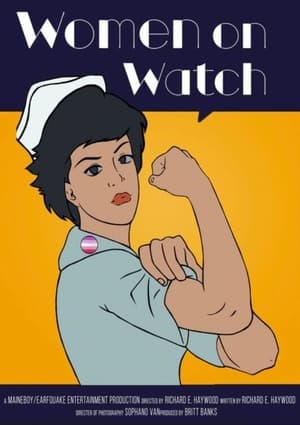
Mulheres em Movimento
A story of two coalitions – ACT UP and TAG (Treatment Action Group) – whose activism and innovation turned AIDS from a death sentence into a manageable condition. Despite having no scientific training, these self-made activists infiltrated the pharmaceutical industry and helped identify promising new drugs, moving them from experimental trials to patients in record time.
Interview with Jason Holliday aka Aaron Payne. House-boy, would-be cabaret performer, and self-proclaimed hustler giving one man's gin-soaked, pill-popped view of what it was like to be black and gay in 1960s United States. Preserved by the Academy Film Archive in partnership with Milestone Films in 2013.
Before Prop 8, Milk or Will & Grace, before the AIDS epidemic, gay pride parades or the Stonewall uprising, "The Boys in the Band" changed everything. "Making the Boys" explores the drama, struggle and enduring legacy of the first-ever gay play and subsequent Hollywood movie to successfully reach a mainstream audience. Featuring anecdotes from the surviving cast and filmmakers, as well as perspectives by legendary figures from stage and screen, it traces the behind-the-scenes drama and lasting legacy of this cultural milestone.
On February 5, 2015, Lance Bass and Michael Turchin made television history when their wedding, which took place Dec. 20, 2014, premiered on E!. LANCE LOVES MICHAEL — a 90-minute special — follows the couple from the early stages of planning right up to their vows on the altar.
The story of artist Edith Lake Wilkinson, a painter who was committed to an asylum in 1924 and never heard from again. All her worldly possessions were packed into trunks and shipped to a relative in West Virginia where they sat in an attic for 40 years. Edith's great-niece, Emmy Award winning writer and director Jane Anderson, grew up surrounded by Edith's paintings, thanks to her mother who had gone poking through that dusty attic and rescued Edith's work. The film follows Jane in her decades-long journey to find the answers to the mystery of Edith's buried life, return the work to Provincetown and have Edith's contributions recognized by the larger art world.
Marlon Riggs, with assistance from other gay Black men, especially poet Essex Hemphill, celebrates Black men loving Black men as a revolutionary act. The film intercuts footage of Hemphill reciting his poetry, Riggs telling the story of his growing up, scenes of men in social intercourse and dance, and various comic riffs, including a visit to the "Institute of Snap!thology," where men take lessons in how to snap their fingers: the sling snap, the point snap, the diva snap.
Derek, in chronological order, records the work and life that stands at the foot of Derek Jarman's humour and spirit of being an artist. The filmmaker and actress, Isaac Julien and Tilda Swinton respectively, have produced and narrated a film on his life whereby the use of language is perpetuated to give some type of palpable meaning to British audiences alone, and to their own personal relationship with him.
A look at the 1950s muscle men's magazines and the representative industry which were popular supposedly as health and fitness magazines, but were in reality primarily being purchased by the still-underground homosexual community. Chief among the purveyors of this literature was Bob Mizer, who maintained a magazine and developed sexually inexplicit men's films for over 40 years. Aided by his mother, the two maintained a stable of not so innocent studs.
At America's elite MIT, a Ghanaian alum follows four African students as they strive to graduate and become agents of change for their home countries Nigeria, Rwanda, Tanzania, and Zimbabwe. Over an intimate, nearly decade-long journey, all must decide how much of America to absorb, how much of Africa to hold on to, and how to reconcile teenage ideals with the truths they discover about the world and themselves.
TRANSINDIA is a moving documentary exploring the Transgender community also known as Hijras, in Ahmedabad, India. Transindia takes you on a journey on their true lifestyles, a discovery of their beliefs and cultures, and an insight in how they struggle to find a place in the Indian society.
A sincere portrait, and in first person, of the multifaceted Andalusian artist José Pérez Ocaña.
Documentary short documents the “Reminder Day Picket” at Independence Hall, Philadelphia, on July 4, 1968.
The dramatic story of Egon Schiele in his own words, celebrating his remarkable artistic achievements but also debating the controversies around his work.
Raw, revealing and honest, Just Be Gemma explores the subject of gender transformation by telling the personal story of St. John’s, Newfoundland activist Gemma Hickey. Gemma is best known for co-leading the movement that legalized same-sex marriage in Canada and they're the founder of Pathways, an organization that offers support to survivors of clergy sexual abuse. Just Be Gemma is an all-access documentary revealing Gemma's physical changes and internal struggles.
A glance at the queer universe throughout vogue battles, an emerging street subculture in which gay, transgender and other LGBTQ people take the lead. The film sheds light on the movement and on the expressiveness of the bodies, while stepping into the space of dance – from the backstage to the stage –, exalting diversity and the LgBT culture.
Through a life story the film deals with issues related to human rights, such as the right to difference. The character's life is presented from others, otherness as a logic. The spectators complete the senses and gradually realize that this is a homosexual who, still in his adolescence, became a transvestite; "Amapoa" is a term that comes from Yoruba and has become transvestite slang for women. The film has a brutal ending, revealing that the character suffered a strong violence. Homophobia. The approach leads to identification with the character and allows reflections on the intolerance of today's society.