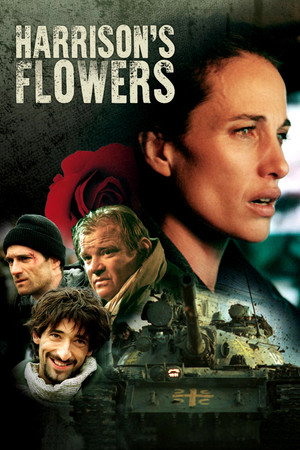
Inspired by true events, this film takes place in Rwanda in the 1990s when more than a million Tutsis were killed in a genocide that went mostly unnoticed by the rest of the world. Hotel owner Paul Rusesabagina houses over a thousand refuges in his hotel in attempt to save their lives.
Experimental filmmaker Rubén Gámez explores the iconography of the maguey plant in Mexican cinematic history.
A 5-year-old girl embarks on a harrowing quest for survival amid the sudden rise and terrifying reign of the Khmer Rouge in Cambodia.
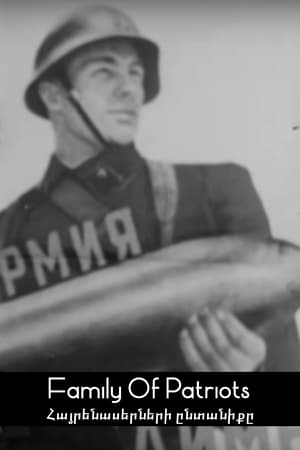
This film ballad is dedicated to those who never returned home from WW2. A group of retreating Soviet soldiers, crossing a lunar terrain in a desperate attempt to escape death, is attacked by a German fighter plane that appears like a bolt from the blue. One by one they are killed. Then suddenly, in an unlikely denouement bordering on the mystical, the attacker is shot down with a simple rifle. For ideological reasons that defy understanding this film, one of Viktor Hres’ earliest works, was shelved in 1967 by Soviet censors. In 2010, it was restored by the Debut Studio of the Oleksander Dovzhenko Film Studio with the support of the Ministry of Culture and Tourism of Ukraine.
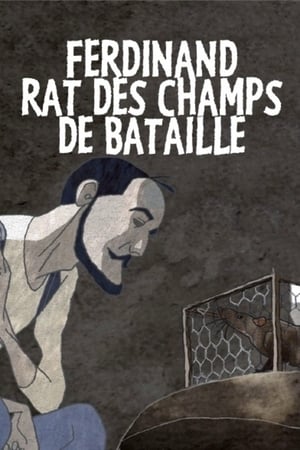
Ferdinand, Battlefield Rat
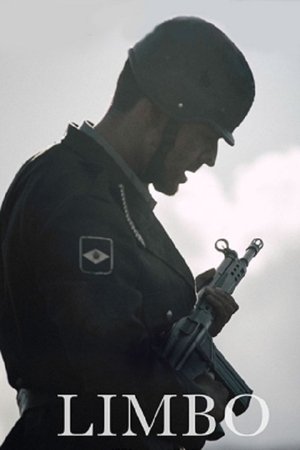
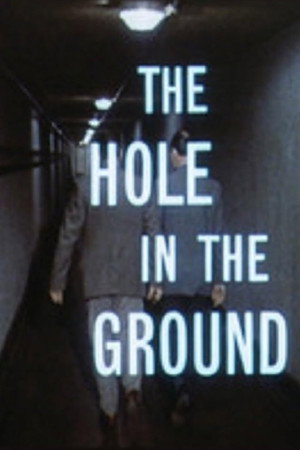
In the opening stages of the Bosnian War, a small group of Serbian soldiers are trapped in a tunnel by a Muslim force.
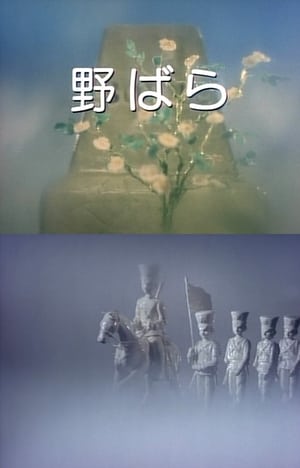
During Napoleonic wars, a young idealistic drummer, in search of glory, arrives on the battlefield and discovers the horrors of war.
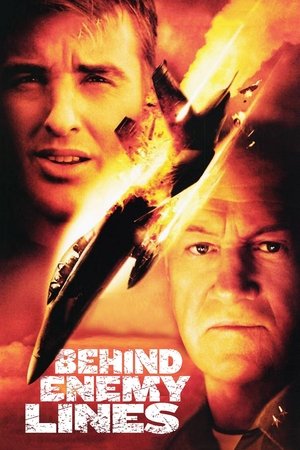
While flying a routine reconnaissance mission over Bosnia, fighter pilot Lt. Chris Burnett photographs something he wasn't supposed to see and gets shot down behind enemy lines, where he must outrun an army led by a ruthless Serbian general. With time running out and a deadly tracker on his trail, Burnett's commanding officer, Admiral Reigart, decides to risk his career and launch a renegade rescue mission to save his life.
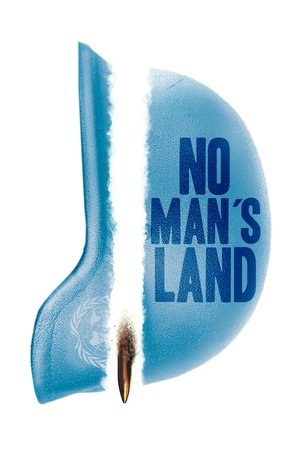
Two soldiers from opposite sides get stuck between the front lines in the same trench. The UN is asked to free them and both sides agree on a ceasefire, but will they stick to it?
When Peter went to the war with the Nazis to the front, his son gave him a rhinoceros beetle he captured near his home, which the soldier took with him. Now they have to plunge into battle and fighting to see how the sky becomes black because of the gunpowder and the enemy siege, and hundreds of bullets are circling around them. But they will go back to where someone waits for them.
1944, Japan. One of the kamikazes, by misfortune, survives. When he jumps with a parachute, he lands in Nardaran — right in the house of Gulbala, who is nicknamed “the Japanese.” When the representative of the State Security Committee learns of this unusual incident, he intervenes, saying: “This matter is under Stalin’s control; we must keep the Japanese alive,” and begins the operation. From then on, the funny stories continue.
Sarajevo in the twentieth month of its besiegement. The situation is critical, but the city chooses to organise an international film festival. Dutch filmmakers Johan van der Keuken and Frank Vellenga present Van der Keuken's documentaries Face Value and Brass Unbound there, and one of the festival organisers asks a festival visitor: "What is the significance of film in war?" In Sarajevo Film Festival Film, a reflection on film, war and daily life, fictional images are juxtaposed in a disconcerting way with the gruesome reality of the life of a festival visitor.
If the conflict in Bosnia has become something of a forgotten war, it's not for the want of trying from the immensely powerful BBC film Warriors, the story of five young soldiers and their harrowing experiences in the region.
Made at the height of 'cold war' paranoia, this drama-documentary shows the work of the UK Warning and Monitoring Organisation, who's duties included the issuing of public warnings of any nuclear missile strike and the subsequent fallout.
A story of broken humanity following the invasion of a technologically superior alien species. Bleak, harrowing, and unrelenting, the humans must find enough courage to go on fighting.
Montage of still photos with lighting effects.
A filmmaker named Hadi is sent to Croatia to complete his research for a film. Aziz, Hadi’s friend, gives him a cassette tape, a piece of image, and a half a piece of plaque in order to find a girl named Fatima. Alongside a Farsi-speaking Bosnian woman, Hanifa, Hadi begins his quest for Fatima.
2 Groups battle each other in a Tire War.
New York Times reporter Sydney Schanberg is on assignment covering the Cambodian Civil War, with the help of local interpreter Dith Pran and American photojournalist Al Rockoff. When the U.S. Army pulls out amid escalating violence, Schanberg makes exit arrangements for Pran and his family. Pran, however, tells Schanberg he intends to stay in Cambodia to help cover the unfolding story — a decision he may regret as the Khmer Rouge rebels move in.
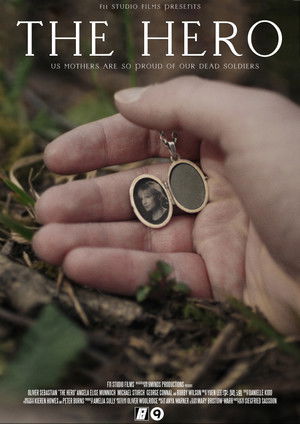
"In 1904, disgusted by the aftermath of the Spanish-American War and the subsequent Philippine-American War, Mark Twain wrote a short anti-war prose poem called "The War Prayer." His family begged him not to publish it, his friends advised him to bury it, and his publisher rejected it, thinking it too inflammatory for the times. Twain agreed, but instructed that it be published after his death, saying famously: None but the dead are permitted to tell the truth."