How to combine modernity and fundamentalist Islam. "Saudi Solutions" is a unique and revealing documentary about the lifestyles and attitudes of ambitious career womenin conservative Saudi Arabia - the only country in the Arabworld where women are obliged to cover themselves inabayas and aren't allowed to drive cars. Because of the strong influence of fundamentalist Islam on society, filmingis severely restricted in Saudi Arabia. With unique access to the Kingdom, Backlight had the opportunity to film the daily routines of Saudi working women. This documentaryfeatures a top gyneacologist, a TV news anchor woman, a photographer, and a university professor. It also introducesthe wealthy Prince Al-Waleed, who passionately promotes the acceptance of women into the workforce. He kindly invitesBacklight to his luxury desert camp, but there are no women to be found - only thousands of men.
Clouds 1969 by the British filmmaker Peter Gidal is a film comprised of ten minutes of looped footage of the sky, shot with a handheld camera using a zoom to achieve close-up images. Aside from the amorphous shapes of the clouds, the only forms to appear in the film are an aeroplane flying overhead and the side of a building, and these only as fleeting glimpses. The formless image of the sky and the repetition of the footage on a loop prevent any clear narrative development within the film. The minimal soundtrack consists of a sustained oscillating sine wave, consistently audible throughout the film without progression or climax. The work is shown as a projection and was not produced in an edition. The subject of the film can be said to be the material qualities of film itself: the grain, the light, the shadow and inconsistencies in the print.
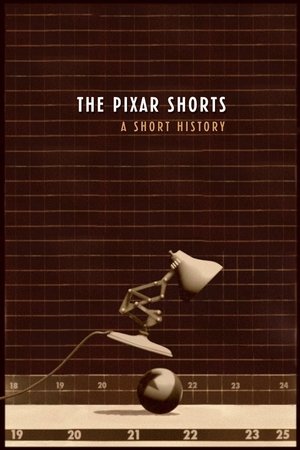
The story of Pixar's early short films illuminates not only the evolution of the company but also the early days of computer animation, when a small group of artists and scientists shared a single computer in a hallway, and struggled to create emotionally compelling short films.
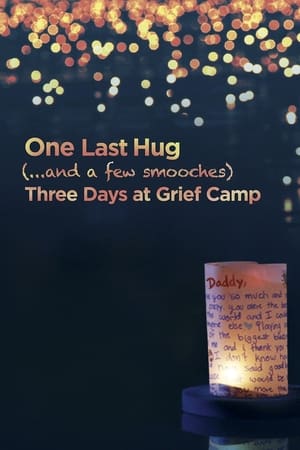
"One Last Hug" chronicles a three day summer camp for children learning to cope with the death of a loved one. With the guidance of trained professionals, grieving children as young as seven years old learn that their feelings are normal, and that by talking about them they can begin to heal. A testament to the healing power of shared sorrow, One Last Hug shows the often-unseen and particular experience of children's grief.
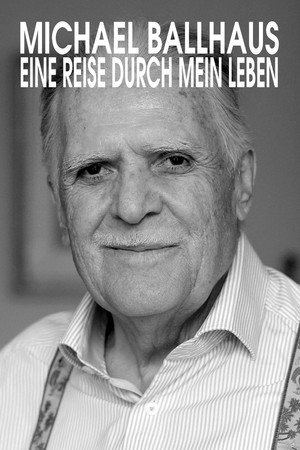
One of Germany's stars of cinematography, embarks on the journey through his life. The film begins in the US and Hollywood - where Ballhaus established his international fame.
Profile of a Chinese immigrant to Canada narrated by her son.
Sur les Gratte-Ciel de New York
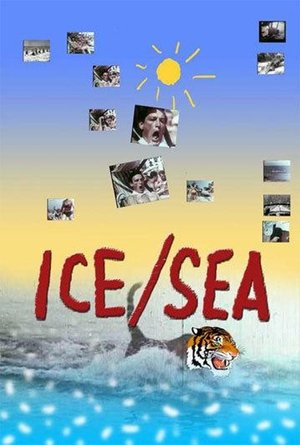
Funny collage of sea, sun and ice. A show from the beach with skiers, tigers, mermaids and much more.
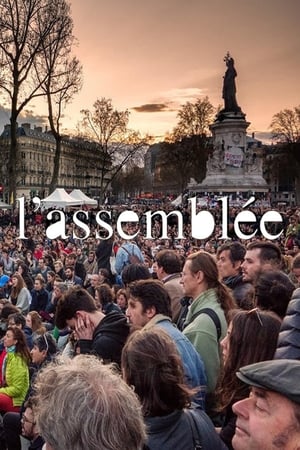
Just one year ago, citizens joined together at Place de la République in Paris to demonstrate against labor reforms, the El Khomri law. This rapidly became an opportunity to invent another way of handling politics. It was the beginning of Nuit Debout. The film follows closely this social movement's inner core, a new kind of citizen's and democratic parliament, without representatives or leaders, which attempts to allow everyone the chance to speak. How do we speak in unison without speaking with a single voice?
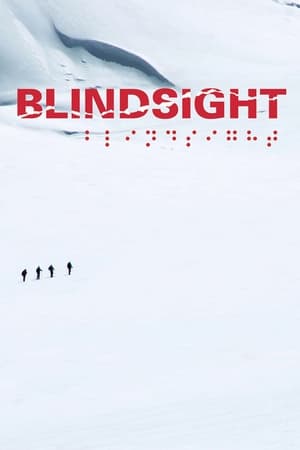
Six blind Tibetan teenagers climb the Lhakpa-Ri peak of Mount Everest, led by seven-summit blind mountain-climber Erik Weihenmayer.
Charlotte Gainsbourg looks at her mother Jane Birkin in a way she never did, overcoming a sense of reserve. Using a camera lens, they expose themselves to each other, begin to step back, leaving space for a mother-daughter relationship.
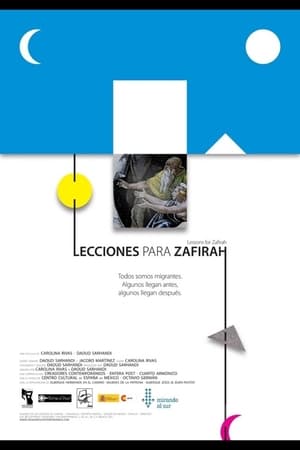
A metaphor of the Flood in our times, The Flood is the rain of violence that washes over us. Noah´s Ark is the train that runs through Mexico toward the United States and migrants are the species attempting to save their lives. For the directors, cinema moves people not just by condemnation, but by confronting and fostering emotions which lead to new, constructive ideas. This documentary became a cinematographic diary for their first viewer, their three-year-old daughter, Zafirah.
A vibrant kaleidoscopic tribute to the guitar that meshes dance, mime, visual art, and virtuoso performances to create a spectacular yet intimate celebration of the instrument. For one exciting week the city of Toronto plays host to the International Guitar Festival. The streets echo with the sounds of the instrument as the great masters from every tradition gather to play for each other -- John Williams from England, Leo Brouwer from Cuba (classical), Turibio Santos from Brazil (folk), Vladimir Mikulka from Czechoslovakia (avant-garde), Rik Emmett and Kim Mitchell from Canada, Steve Morse from the USA (rock).
The subject is a group of women bathing in a public swimming pool. The camera was placed on the edge of the pool and the full extent of the film shows the women in the pool. Only the heads and shoulders of most of the women are visible but it is possible to see they are wearing rented bathing attire.
Story of Mary Mallon. Typhoid fever carrier
Film Title Poem is comprised of over 500 film title cards.
This video work was made while Rist was still an art student at the School of Design in Basel, Switzerland. It was produced in an unlimited edition and is intended to be shown on a domestic-style monitor, although it may also be displayed as a projection with special permission from the artist. The video depicts the artist, an attractive young woman dancing manically around the room while repeatedly singing ‘I’m not the girl who misses much’. The phrase is an adaptation of the first line of the Beatles song ‘Happiness is a Warm Gun'. Referring to her childhood Rist has said, ‘In my village in Switzerland I had a small window on the art world through the mass media; through John Lennon/Yoko Ono I moved from pop music to contemporary art. In return, I will always be grateful to popular culture’ (quoted in ‘I rist, you rist, she rists, he rists, we rist, you rist, they rist, tourist: Hans Ulrich Obrist in Conversation with Pipilotti Rist’, Pipilotti Rist, p.16).
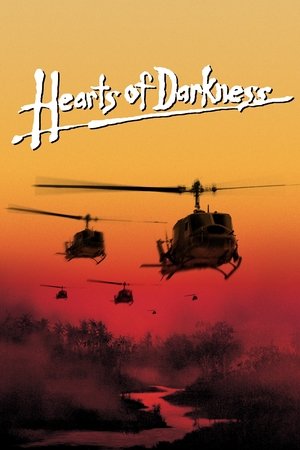
A chronicle of the production problems — including bad weather, actors' health, war near the filming locations, and more — which plagued the filming of Apocalypse Now, increasing costs and nearly destroying the life and career of Francis Ford Coppola.
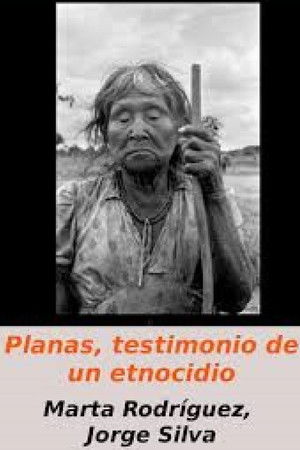
A documentary on the massacre of Planas in the Colombian east plains in 1970. An Indigenous community formed a cooperative to defend their rights from settlers and colonists, but the government organized a military operation to protect the latter and foreign companies.
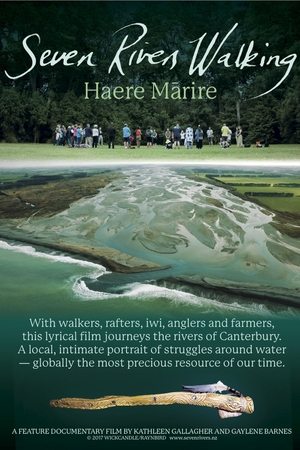
Documentary about the degraded rivers of Canterbury, New Zealand.