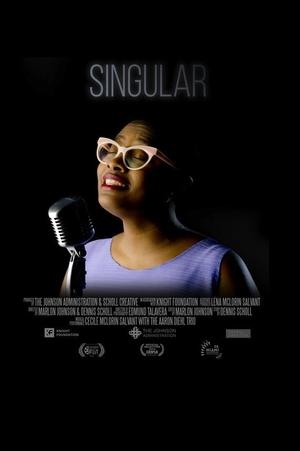
A journey into the life of blind jazz musician Caitlin Smith as she explores how her voice as a musician and teacher has become a tool of identity, resilience, and empowerment.
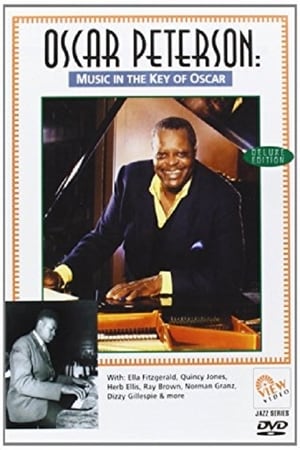
This riveting music documentary traces the history of Jazz piano legend Oscar Peterson, from his early days as Montreal's teenage Boogie-Woogie sensation through his meteoric rise to international celebrity with Norman Granz and the ground-breaking Jazz at the Philharmonic and beyond. In this award-winning autobiographical portrait, legendary jazz pianist Oscar Peterson narrates his story, from his beginnings in smoke-filled Montreal clubs to hallmark performances with jazz greats. Concert footage includes an unforgettable combo -- Nat King Cole with Jazz at the Philharmonic and the Oscar Peterson Trio Wall reunion. Quincy Jones, Ella Fitzgerald and Dizzy Gillespie are interviewed, among others.
Everyone mentions her when asked who the 1st generation of jazz musicians is in Korea, adding that jazz wouldn't have been continued in Korea if not for her. It's Park Seong-yeon, the musician who ran Korea's first jazz club - Club Janus - and she provided it for other musicians to perform. Diva Janus follows the late Park's footsteps through her past and interviews by her peer musicians.
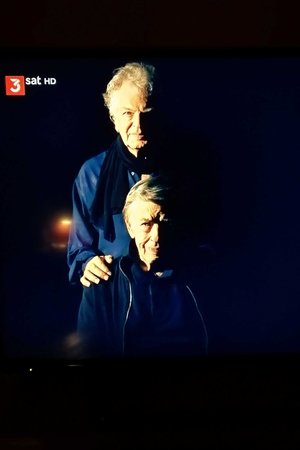
Brüder Kühn: Zwei Musiker spielen sich frei
In this Amazon Music Songline episode, filmed live in Iceland, Laufey reimagines her most beloved songs with stunning new arrangements at her childhood music school.
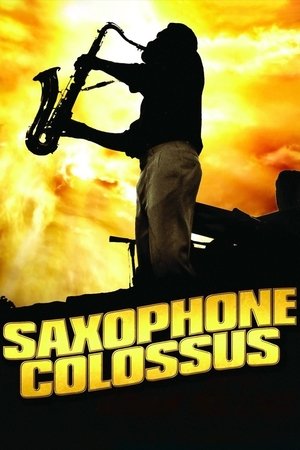
Tenor saxophone master Sonny Rollins has long been hailed as one of the most important artists in jazz history, and still, today, he is viewed as the greatest living jazz improviser. In 1986, filmmaker Robert Mugge produced Saxophone Colossus, a feature-length portrait of Rollins, named after one of his most celebrated albums.
Art Kane, now deceased, coordinated a group photograph of all the top jazz musicians in NYC in the year 1958, for a piece in Esquire magazine. Just about every jazz musician at the time showed up for the photo shoot which took place in front of a brownstone near the 125th street station. The documentary compiles interviews of many of the musicians in the photograph to talk about the day of the photograph, and it shows film footage taken that day by Milt Hinton and his wife.
The picture brings interviews with the participants of the 1st São Paulo Jazz Festival that occurred in Anhembi Conventions Palace in September 1978 and reunited musicians, composers and singers from all around the world.
Filmed in Chicago & finished in 1959, The Cry of Jazz is filmmaker, composer and arranger Edward O. Bland's polemical essay on the politics of music and race - a forecast of what he called "the death of jazz." A landmark moment in black film, foreseeing the civil unrest of subsequent decades, it also features the only known footage of visionary pianist Sun Ra from his beloved Chicago period. Featured are ample images of tenor saxophonist John Gilmore and the rest of Ra's Arkestra in Windy City nightclubs, all shot in glorious black & white.
This lively and intimately-crafted documentary immerses the audience in rock icon Carlos Santana's life and musical trajectory. Filmmaker Rudy Valdez bolsters this personal narrative with pulsating, never-before-seen footage — guided by Santana himself, in his own words.
In King for Two Days, filmmaker Noah Hutton chronicles drummer Dave King's (The Bad Plus, Happy Apple) two-night concert at the Walker Art Center in Minneapolis, MN, featuring five of the groups he drums in. Through rehearsals, interviews with the musicians, and concert excerpts, a world emerges where the concept of the band is held above the need for individual showmanship, a rarity in jazz.
In this short film, prominent jazz musicians of the 1940s gather for a rare filming of a jam session. This highly stylized chronicle features tenor sax legend Lester Young.
The tragic story of an American music virtuoso who found in 1970s Iran the love and acceptance he never received back home, and who was punished by his country upon his return after the Iranian revolution.
The Cold War and Civil Rights collide in this remarkable story of music, diplomacy and race. Beginning in 1955, when America asked its greatest jazz artists to travel the world as cultural ambassadors, Louis Armstrong, Dizzy Gillespie, Duke Ellington and their mixed-race band members, faced a painful dilemma: how could they represent a country that still practiced Jim Crow segregation?
In this intimate portrait—produced for a segment of National Education Television's "Black Journal" television program—legendary jazz musician Alice Coltrane plays the harp and discusses her thoughts on music, spirituality, family, and the legacy of her late husband, John Coltrane.
Shirley Clarke's frenetic documentary about multi-talented musician Ornette Coleman.
Before Rolling Stone, there was Soul Newspaper. Behind Soul, there was Regina Jones. Against all odds, Regina blazed her own path, and at 80 has found herself again.
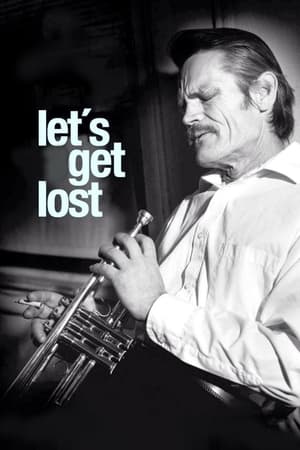
Chet Baker plows a uniquely individual furrow in the field of jazz. His trumpet playing is beautifully delicate and takes standard ballads into hitherto unexplored emotional territories. Here Chet is accompanied by Michel Grailler on piano and Riccardo del Fra on bass. Two of Chet's admirers also guest star here: Van Morrison and Elvis Costello.
An intimate look into the life of icon Quincy Jones. A unique force in music and popular culture for 70 years, Jones has transcended racial and cultural boundaries; his story is inextricably woven into the fabric of America. Jones came to prominence in the 1950s as a jazz arranger and conductor before working on pop music and film scores. He moved easily between musical genres, producing major pop hits of the early 1960s and serving as an arranger and conductor for several collaborations in the same time period.
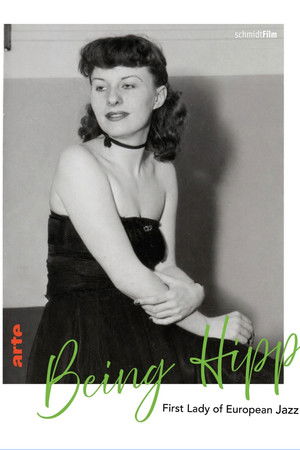
Jutta Hipp defied the odds and made it to the heart of the male-dominated jazz scene in 1950s New York.