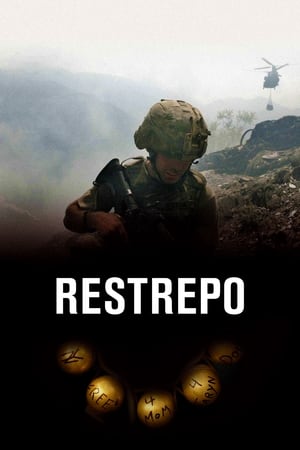
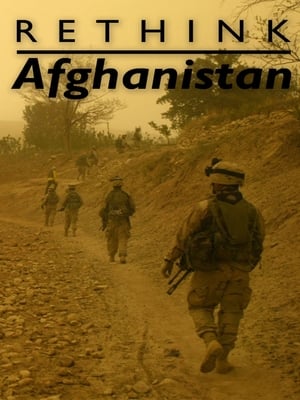
Directors Hetherington and Junger spend a year with the 2nd Battalion of the United States Army located in one of Afghanistan's most dangerous valleys. The documentary provides insight and empathy on how to win the battle through hard work, deadly gunfights and mutual friendships while the unit must push back the Taliban.
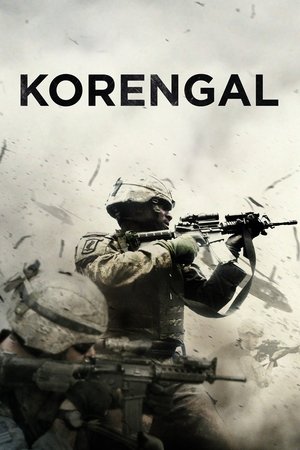
Korengal picks up where Restrepo left off; the same men, the same valley, the same commanders, but a very different look at the experience of war.
No Greater Love explores a combat deployment through the eyes of an Army chaplain, as he and his men fight their way through a hellish tour in one of the most dangerous places in Afghanistan and then as they struggle to reintegrate home.
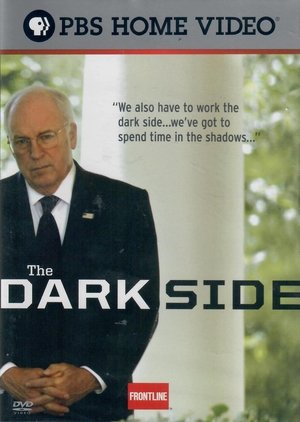
On Sept. 11, 2001, deep inside a White House bunker, Vice President Dick Cheney was ordering U.S. fighter planes to shoot down any commercial airliner still in the air above America. At that moment, CIA Director George Tenet was meeting with his counter-terrorism team in Langley, Virginia. Both leaders acted fast, to prepare their country for a new kind of war. But soon a debate would grow over the goals of the war on terror, and the decision to go to war in Iraq. Cheney, Defense Secretary Donald Rumsfeld, and others saw Iraq as an important part of a broader plan to remake the Middle East and project American power worldwide. Meanwhile Tenet, facing division in his own organization, saw non-state actors such as Al Qaeda as the highest priority. FRONTLINE’s investigation of the ensuing conflict includes more than 40 interviews, thousands of pages of documentary evidence, and a substantial photographic archive.
Exposes the tangled web of deception spun by the U.S. government during its 20-year war in Afghanistan, revealing the campaign of lies and misinformation fed to the American public. Through shocking testimonies from government insiders, confidential documents, and private audio recordings of those at the highest levels of the military and elected leadership, this gripping documentary urges a reckoning with the wider implications of government deception on a global scale.
Jawed Taiman takes a distinct look at Afghanistan and lets the Afghan people have their say. En route through the different provinces, through urban and rural regions, in discussion with intellectuals and simple folk, politicians and Taliban fighters a multifaceted picture emerges of a country that is often portrayed as incomprehensible.
Hope is an intimate portrait of a military family fractured by the invisible wounds of war. At its heart is Catherine, a decorated soldier and mother who returns from deployment profoundly changed—emotionally withdrawn, plagued by guilt, and struggling with addiction. Her daughter, Hope, once protected by her mother's strength, becomes a witness to her unraveling, forced to mature too quickly amid the chaos of relocation, strained family bonds, and a lack of institutional support. As Catherine battles to reintegrate, her marriage collapses, and the military’s absence of post-deployment care deepens her isolation. Her husband leaves, her daughter grows distant, and Catherine is left with the crushing realization that service came at a cost no one prepared her for.
"Resilience: The Kim LeBel Story" follows the remarkable journey of a woman who overcame a violent, abusive upbringing in Alabama and Georgia to serve honorably in the U.S. Navy. After defending herself from a traumatic family life, Kim joined the military, only to face new challenges—gender discrimination, sexual harassment, and the brutal realities of combat in Afghanistan. Despite being shot and witnessing the horrors of war, Kim's indomitable spirit and courage shine through. Her story is a powerful testament to the resilience of women in the military, offering an intimate portrayal of survival, strength, and triumph against the odds.
By immersing themselves in a Taliban village, and after gaining very rare access to major institutions, the directors shed a disturbing light on today's Taliban society, and on the workings of this ultra-conservative parallel state. whose leaders have just symbolically moved into the presidential palace, to assert a stranglehold that foreshadows the Afghanistan of tomorrow.
Abby Martin covers the whole truth about the Afghanistan War. Two decades, three administrations, tens of thousands of lives.
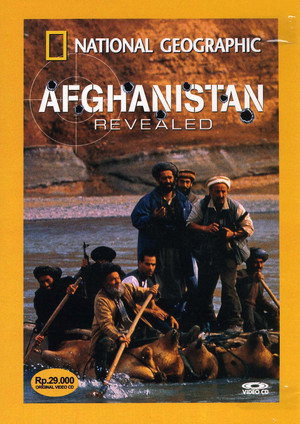
Take a harrowing journey with author Sebastian Junger and photographer Reza deep into Afghanistan for an in-depth interview with the assassinated resistance leader, Ahmed Shah Massoud. With never-before-seen footage, Afghanistan Revealed explores this war-torn country and the lives of its people as they continue their struggle against the Taliban.
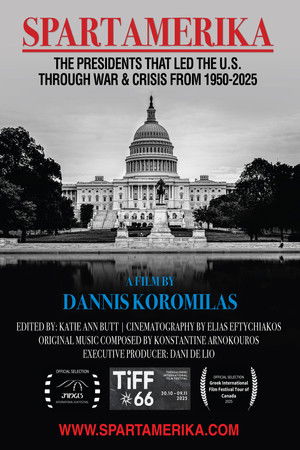
An essay film exploring the thirteen United States Presidents that have led the country through war and conflict from 1950 to 2025.
Afghánistán bez obalu
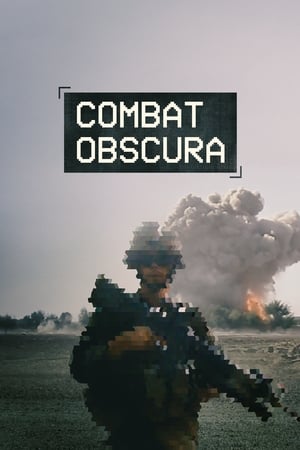
Former combat videographer Miles Lagoze presents personal footage of U.S. Marines in the Afghan war zone.
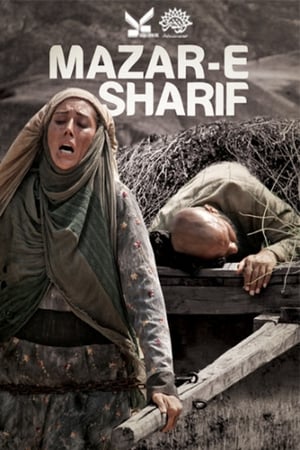
An Iranian diplomat who miraculously survived Taliban's raid on the Iranian consulate in Mazar E Sharif (Afghanistan) narrates his 19 days of hide and escape to reach Iran's borders meanwhile on the other side, the Iranian troops are preparing for retaliation.
A journey through the parts of Afghanistan that don't normally feature in news coverage to meet some amazing people and see fascinating places. Lyse Doucet uses her many years experience in Afghanistan to show a different side of a country which has been at war for 30 years.
Filmmaker Robert Greenwald (Outfoxed) carefully examines the war in Afghanistan, raising challenging questions about the destabilization of Pakistan, U.S. troop escalation, ballooning military costs, civilian casualties and much more. Through fascinating interviews with Afghans, veterans, reporters, ex-CIA agents and foreign-policy experts, Greenwald's incisive documentary urges an immediate de-escalation of the conflict.
In a greenhouse in England, a military veteran talks about his experiences as a soldier in Afghanistan. Clement Boland served with the British Army in Helmand Province for more than ten years and has suffered from PTSD since his return. His therapy now consists of gardening. In five insightful scenes, he talks about how the landscapes of East Sussex and Afghanistan keep intertwining because of his repeated reliving of memories of the war. One image he can’t get out of his mind is of an Afghan man who “looked like Jesus.” Clement wasn’t the one who fired the shot, but he feels guilt nonetheless.
Saddam Hussein's arsenal of "weapons of mass destruction" was George W. Bush's main justification for waging war against Iraq in 2003. After the invasion of the country, American leaders recognised that they had been mistaken, and that the Baghdad tyrant did not possess such a capability. Bush claimed it was an error and defended his good faith, denouncing the negligence of his secret services. But the brutal truth lies elsewhere: The war in Iraq was based on lies.
Invisibles