Amidst Wyoming's rugged beauty, an experienced hunter confronts the challenges of tracking wild game and forges lifelong bonds within his friendships.
Hunters have disappeared from wildlands without a trace for hundreds of years. David Paulides presents the haunting true stories of hunters experiencing the unexplainable in the woods of North America.
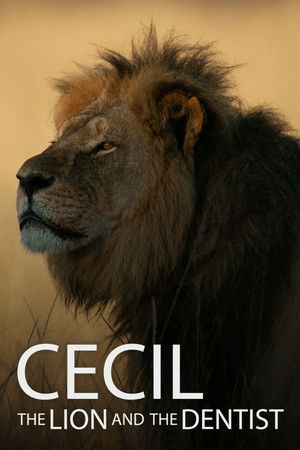
This in-depth look into the powerhouse industries of big-game hunting, breeding and wildlife conservation in the U.S. and Africa unravels the complex consequences of treating animals as commodities.
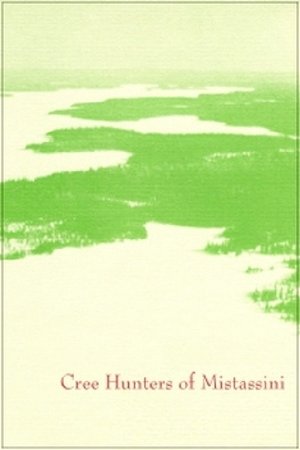
An NFB crew filmed a group of three families, Cree hunters from Mistassini. Since times predating agriculture, this First Nations people have gone to the bush of the James Bay and Ungava Bay area to hunt. We see the building of the winter camp, the hunting and the rhythms of Cree family life.
Wildgnorance
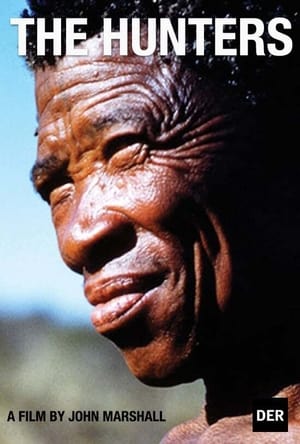
An ethnographic documentary following four Ju/’hoansi (!Kung) men during a multi-day giraffe hunt in the Kalahari Desert, filmed during the Smithsonian–Harvard Peabody expedition of 1952–53.
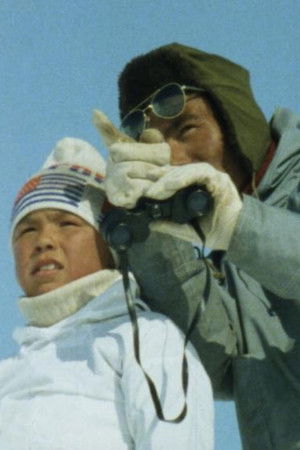
One day in the lives of an average Greenlandic family, which happens to be of great importance for 8-year old Kali - he's about to catch his first prey with the harpoon. The whole family is looking forward for the huge step in boy's maturation.
A group of outdoorsmen demonstrate duck hunting as a preliminary to traveling the various hunting and fishing centers of the world. They begin their journey with a trip to the Rocky Mountains to hunt elk and mountain lions and to fish in the freshwater lakes. They travel to Lac la Ronge in Saskatchewan and to Anchorage and the Katmai Peninsula in Alaska to fish for trout, salmon, and grayling and hunt moose and bear. In the Arctic, the hunters go with a group of Eskimos for their biggest catch, the polar bear. The hunters travel south by plane, to the Fishing Club of Panama to fish for marlin, tuna, shark, and dolphin in the Gulf of Panama. In South Africa and the Zambesi River basin, they often hunt with only a camera. Accompanied by native beaters, they hunt elephants, antelope, buffalo, crocodiles, and hippopotami. As conservationists they capture some almost extinct white rhinoceros and take them to a game preserve for protection.
A dive into the world of a theatrical tradition with riders in classical costumes, hunting horns and bloodhounds. The drag hunt is a hunt without guns, where you do not hunt an animal, but a piece of cloth. It seems to be something of this time, but drag hunting is still under pressure. Can this age-old tradition survive in modern society? How do the riders view this spectacle full of etiquette?
Polar Bear Safari follows Randy, a wealthy trophy hunter on a 15-day hunting expedition in search of a polar bear and discusses the reliance of the Inuit on guiding these hunting trips to keep the community living in Resolute Bay in the Canadian Arctic where unemployment is high. The local Inuits selling their bear hunting licenses to wealthy hunters to help combat their financial woes.
Semi-documentary exposé of scandalous hunting practices in the Sologne, a wooded area south of Orléans where he shared a house at the time. The film, part tribute to Jean Renoir's The Rules of the Game (1939) and its celebrated hunting scene, is notable for its cinematography by Polish director Walerian Borowczyk.
Le peuple de l'aigle et moi
Звериной тропой
Archery expert Howard Hill and a cameraman go to Wyoming to film this wild-animal three-reel short. Besides the scenery, the scenes include a buffalo killed by an arrow shot by Hill (for food); a wildcat and a coyote in a battle, and a fight-to-the-death between a mother bear protecting her cubs against a killer male bear.
This grisly documentary presents horrifying journalistic footage of suicides, assassinations, bombings, mob hits, decapitations, and more in bloody detail. Not for the faint of heart.
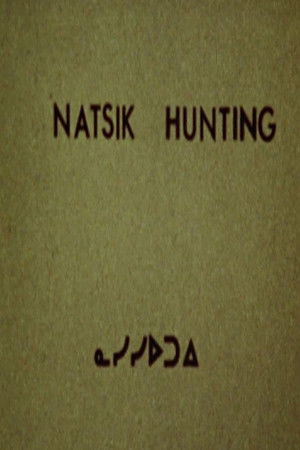
Mosha Michael made an assured directorial debut with this seven-minute short, a relaxed, narration-free depiction of an Inuk seal hunt. Having participated in a 1974 Super 8 workshop in Frobisher Bay, Michael shot and edited the film himself. His voice can be heard on the appealing guitar-based soundtrack…. Natsik Hunting is believed to be Canada’s first Inuk-directed film. – NFB
Shark: Beneath the Surface
In this feature-length documentary, three generations of the Caribou Inuit family come together to tell the story of their journey as Canada's last nomads. From the independent life of hunting on the Keewatin tundra to taking the reins of the new territory of Nunavut on April 1, 1999, we see it all. The film is the result of a close collaboration between Ole Gjerstad, a southern Canadian, and Martin Kreelak, an Inuk. It's Martin's family that we follow, as the story is told through his own voice, through those of the Elders, and through those of the teens and young adults who were born in the settlements and form the first generation of those growing up with satellite TV and a permanent home.
Every single day in South Africa at least two to three captive bred or tame lions are being killed in canned hunts. And hundreds more are slaughtered annually for the lion bone trade. The Blood Lions story is a compelling call to action to have these practices stopped.
Young ecologist demonstraters travel to the countryside to confront hunters. But one of them is willing to do anything to stop them.