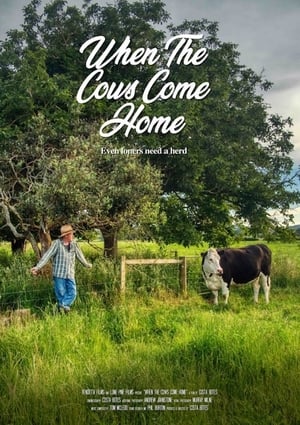
When the Cows Come Home introduces audiences to Tilly and Maggie, a pair of cows that musician, journalist, artist and cow whisperer, Andrew Johnstone has befriended and subsequently saved from slaughter. The garrulous herdsman is enthusiastic to expound his views on animal husbandry, bovine communication and the vagaries of life in general, before the film walks us back through the events that have shaped the singular farmer-philosopher. From personal family tragedy to warring with Catholic school authorities, innovating in Hamilton’s nascent music scene to creating guerrilla art installations; Johnstone’s life has had a truly idiosyncratic trajectory. Mental health issues may have seen him retreat to life on the farm, but the film makes clear its subject’s restless inquisitiveness is far from being put out to pasture.
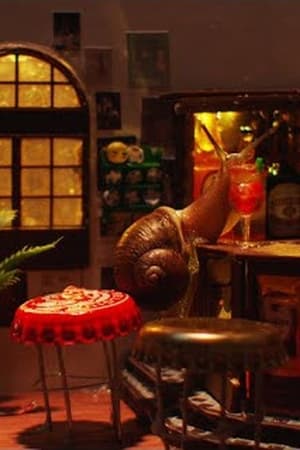
From his cozy library inside the walls of a suburban home, an intellectual snail tells of his life’s love, loss and change.
America is in the midst of the Great Depression, and the Kamp family is struggling to get by, especially since Mrs. Kamp’s untimely death nearly a year ago. The older children do their best to take care of the family, but it’s the younger children—Hopalong Cassidy fan Norman and straight-talking little Ruthie—who struggle most. Now, with their mother gone and their father overwhelmed by doctor bills from young Norman’s battle with polio, the Kamp siblings fully expect a Christmas without presents. But when William scrapes together a dollar in coins to use for Christmas gifts, everything begins to change.
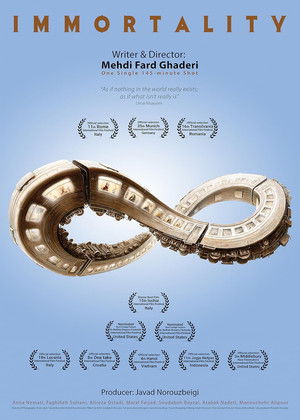
Six families in different compartments of a train, moving through a rainy night. In a single, 145-minute take, the film depicts the families and how their lives are interwoven with each other. Vacillating between dream and reality, each story builds on the one before and leads into the next. Each destiny is influenced by the other one on board, and all hurtle to the same destination.
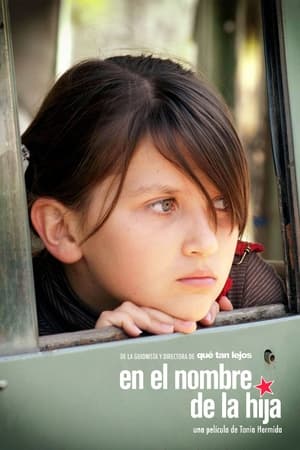
En el Nombre de la Hija tells the story of a nine-year old girl whose name is in dispute. Manuela has been named alter her socialist-atheist father, but her catholic-conservative grandmother insists she should carry the name the first daughters of the family have carried for generations: Dolores. The story takes place in a Valley in the Ecuadorian Andes, during the summer of 1976. Manuela and her little brother, Camilo, are spending vacations with their cousins and grandparents at the family's farmhouse. Eager to defend her father's ideas, Manuela confronts her cousins and grandparents, but an unexpected encounter leads her to confront herself instead. Hidden in the family's abandoned library, schizophrenic uncle Felipe is devoted to setting words free from the constraints of dogmas. His wisdom sets Manuela free from her own dogmas and forever changes her relationship with words, including her own name.
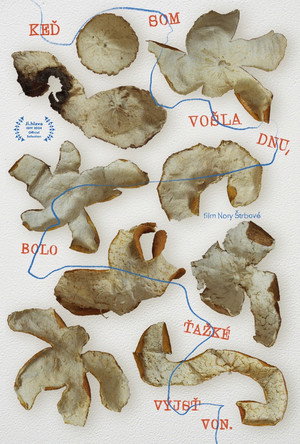
Ida is cleaning out the house that her grandfather, an artist, used to live in. She wades through a studio overflowing with artefacts, oddities and lost history. Similarly to S P A C E S, Štrbová treats the theme of memory and loss, combining fiction and documentary, letting the images of nostalgic childhood and the suffocating past flow associatively. To the sound of Francesco Geminiani's Concerto grosso no. 12, subtitled Madness, the fragile physicality of both dead and living relics stands out. The head of a dead parrot, a cast of her grandmother's breasts or a moss-covered real estate agent represent the discoveries of a personal archaeological site and exhibits of an introspective museum of family history.
Stricken with grief after the loss of a loved one, a woman must confront her past in order to find peace.
Following the death of a close uncle, siblings Guillermo, Lucia, and Nora are forced to interact with each other and their extended family during the customary nine days of a Novenario.
A documentary showcasing a family as they pack up their home of twelve years and begin looking towards the future.
Passeurs de vies
In the wake of their Amma's deteriorating health, estranged brothers Rajesh and Shiva reunite, only to clash over BREATHE, an app offering to erase painful memories from their brains. Rajesh, a realist, and Shiva, a BREATHE addict, grapple with divergent approaches to coping. Against the backdrop of a society seduced by memory erasure, their battle becomes a poignant exploration of family, culture, technology, and the human spirit's resilience.
Shot in Havana and processed at Phil Hoffman's Film Farm, Marcel Beltrán Fernández's Casa de la noche explores those same histories from the point of view of an insider, as a lived experience that is evocatively mirrored through ripped and torn celluloid.
Atindranath Bannerjee, a retired teacher, faces harassment from his family members and decides to discipline them. Later, he shifts to a slum and starts teaching underprivileged children.
Yasuo (Hiroshi Abe) grew up as an orphan. He married a woman he loved and they had a son Akira (later played by Takumi Kitamura). Yasuo's life seemed great at the time, but his life totally changed after his wife died in accident. Since that time, Yasuo, who never experienced parents' love himself, has to raise his son Akira alone.
Lucie was born with a protruding ear that she got from her mother. In this documentary she tries to find answers in her fathers' features.
Hoeksteen van de Samenleving
In a magical era without cell phones, YouTube, video games, and minute-to-minute scheduling, three friends navigated the wilds of childhood along their favorite Texas river. The year is 1955 and 1979 all at once - a wondrous time when our childhood friends are decades away from knowing what a text message is or what a YouTube does. If you asked them about streaming, they'd guess it had something to do with a tube and the nearby creek. With the Texas wilderness as their home, they spend every waking hour outside thinking for themselves, exploring, solving their own problems, creating, and become the ones they will become. Sense of Wonder is a 3-part coming-of-age short film series.
Cabrón, a janitorial robot, wastes his days at a motel meditating on the family who made him. While working under new management and flooded by new faces, he contemplates individuation and truth in an attempt to classify two vastly different iterations of home.
Filles et fils d'addicts
Three brothers who just lost their mother have to deal with their loss; all cling onto different things.