Explorer Levison Wood - famous for Walking the Nile, Walking the Himalayas and Walking the Americas - is taking on a new expedition in this four-part series: to cross the mighty Caucusus mountain range that lies between Russia and Iran. And as well as a new region of the world, Levison is taking a new approach to exploring: making his way by any means necessary. Travelling with the locals and living as they do, Levison's epic, 2,600-mile journey takes him through five countries, crossing the wild lands on the tense frontier between Europe and Asia and visiting some of the most fascinating and diverse people's on earth.
A risky expedition along thoroughfares that harbor mortal danger for those who use them or live on them. They run through deserts, ice, and snow, deep in the jungle, along water, and over mountains: the world's most dangerous roads, truly "hot roads." Many have died along these roads.
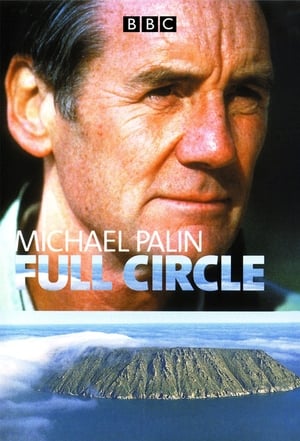
Michael Palin travels to 18 countries around the rim of the Pacific Ocean.
Michael Palin attempts to copy the exploits of fictional character Phileas Fogg, by trying to travel around the world (without flying) in 80 days.
Michael Palin undertakes an epic journey of 23,000 miles, traveling from the North to the South Pole across 17 countries with a minimum of air travel, all on a tight deadline.
Bering Sea Gold: Under the Ice is a reality television series, from the creators of the Deadliest Catch, set in Nome, Alaska that airs on Discovery Channel. In the series we follow the crews on 'The Lazy Gator', 'The Clark' and 'Shamrock' during the ice season. Viewers of the Bering Sea Gold television series will recognise several crew members.
Clemens Gabriel and his crew of family and friends set sail from the Marshall Islands to cross the perilous Northwest Passage -- an Arctic ship route known for its harsh weather, thick ice, and historic dangers and deaths.
A ten-part documentary series, Inside Central Station: Australia’s Busiest Railway blends unscripted high-stakes drama with extraordinary engineering marvels, introduces us to memorable diverse characters who are passionate about their jobs, shares quirky moments and brings a strong sense of Australian history.
The stories behind the iconic structures and engineering feats that have shaped and defined our nation and our world.
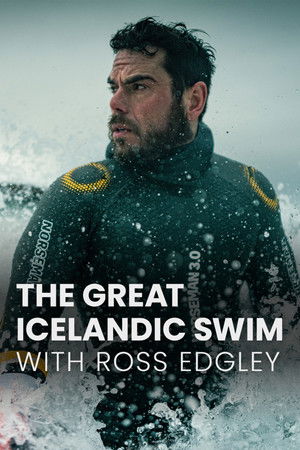
Sixty-foot waves, nosy killer whales, hypothermia, tongue rot. Ultra-athlete Ross Edgley attempts to swim all the way around Iceland - 1000 miles of icy water.
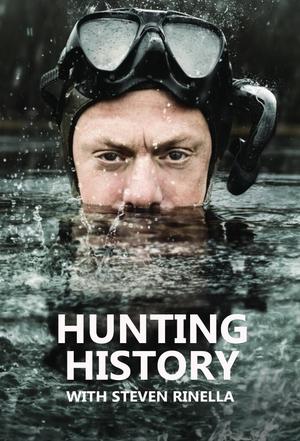
Join world-renowned outdoorsman and author Steven Rinella as he dives into history’s greatest and most perplexing wilderness mysteries. With his deep knowledge of the wild, survival expertise, and unyielding curiosity and grit, Steve is uniquely positioned to look at these mysteries through a totally new lens, examining how people’s interactions with their environment may rewrite the narrative on some of our most iconic legends.
An informative TV program about traveling to the most exotic countries in the world. The author's project by journalist and traveler Dmitry Komarov focuses primarily on the underside of a country or region that tourists usually do not see. If the report is made from a popular place, it is revealed to the viewer from an unusual angle, showing the "inside".
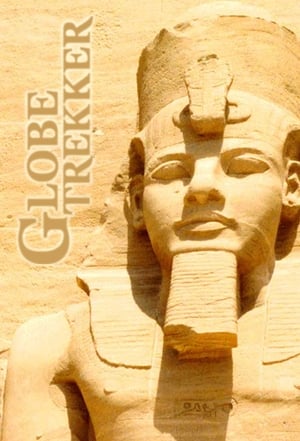
Globe Trekker is an adventure tourism television series produced by Pilot Productions. The British series was inspired by the Lonely Planet travelbooks and began airing in 1994. Globe Trekker is broadcast in over 40 countries across six continents. Each episode features a host, called a traveller, who travels with a camera crew to a country—often, a relatively exotic locale—and experiences the sights, sounds, and culture that the location has to offer. Special episodes feature in-depth city, beach, dive, shopping, history, festival, and food guides. The show often goes far beyond popular tourist destinations in order to give viewers a more authentic look at local culture. Presenters usually participate in different aspects of regional life, such as attending a traditional wedding or visiting a mining community. They address the viewer directly, acting as tourists-turned-tour guides, but are also filmed interacting with locals and discovering interesting locations in unrehearsed sequences. Globe Trekker also sometimes includes brief interviews with backpackers who share tips on independent travel in that particular country.
A century ago, the world experienced a revolution in mobility. Cities like Berlin grew rapidly, with the Graf Zeppelin soaring over the city in 1928, sparking excitement for airship travel. These majestic airships made ocean crossings faster and more luxurious, and even enabled polar expeditions. At the same time, automobiles and motorcycles became staples for many, although streets became congested. Women like Amelia Earhart and Elly Beinhorn broke barriers in aviation, inspiring new possibilities for both genders in the field of technology. While air travel grew in popularity, trains remained the main long-distance transport. The era also saw an explosion of new mobility options, with faster, cheaper ways to travel across the globe, making the world seem smaller and more connected. However, this golden age of mobility would be cut short by the outbreak of World War II.
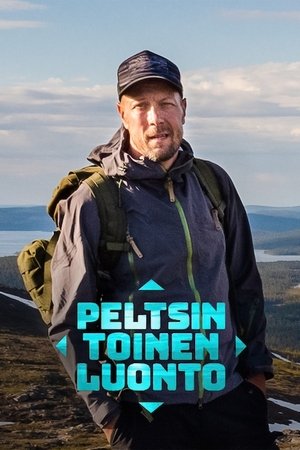
Peltsin Lappi
Peltsin toinen luonto
Steam Days is a 1986 BBC 2 television documentary series written and presented by Miles Kington. Each episode is themed around the history of British steam locomotives and railways, particularly highlighting preserved locomotives operating at the time of its filming. The series consists of six half hour episodes. It aired on Public Television stations in the United States under the title Great Steam Trains.
Tay Tawan and company visit different festivals around Thailand where they will learn their customs and traditions while having fun.
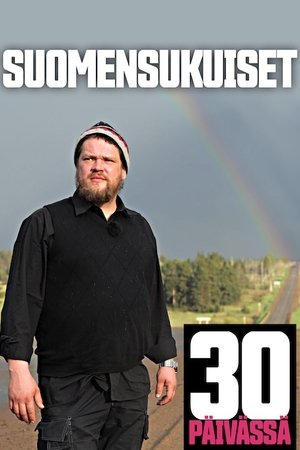
Actor Ville Haapasalo meets ethnic groups related to Finnish in Russia.
From underwater retreats to treetop cabins, this series explores the world's hidden hotels.