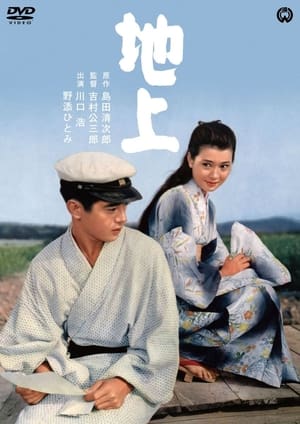
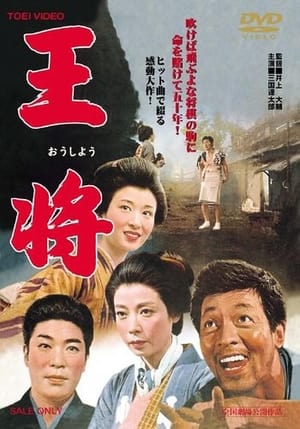
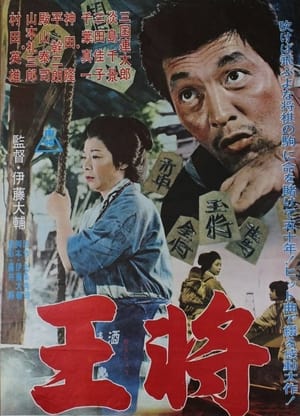
The film takes place at the junction of the two eras of Meiji and Taisho. Sakata Sankichi, an uneducated zori sandal maker, becomes a professional shogi player through his genius shogi skills and lives a fanatically devoted shogi game supported by the love of his family. This is the 3rd adaptation of Hideji Hojo's famous play.
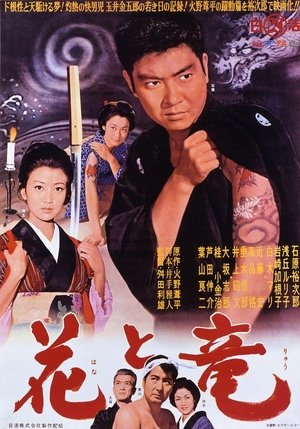
In the late 1890s, coal is a precious new natural resource. During an era of rapid economic growth, dreams are instilled into the lives of many across Japan. A vigorous young man with a look of fearless determination, sets foot on the northern part of Kyushu, an area where Yakuza thrived. His name is Kingoro Tamai (Yujiro Ishihara). With plans to travel the world, Kingoro worked diligently at a coal mine. His loyalty and hard work earned the respect of his peers, his courage won the heart of the beautiful Mon (Ruriko Asaoka), and his success evoked jealousy in his enemies.
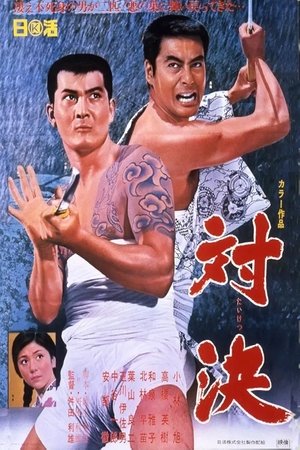
Late Taishō period. The Shibatora family, led by Naojirō, held power over the Tomigawara area in Jōshū. After launching an attack on the Takayasu family for encroaching on their territory, they were instead ambushed by Takayasu's forces. Taking full responsibility, Naojirō turned himself in to the police. Six years later, upon his release, he is enraged to find that everything has changed drastically from how it once was.
A surreal period film following a university professor and his eerie nomad friend as they go through loose romantic triangles and face death in peculiar ways.
A 1920s playwright meets a beautiful woman who may be the ghost of his patron's deceased wife.
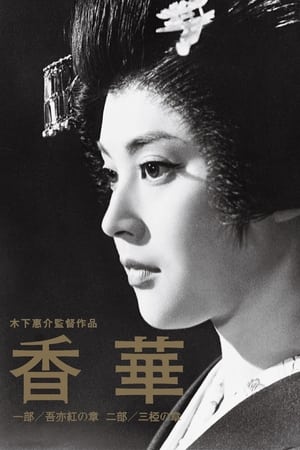
Following the life of Japanese artist and poet Yumeji Takehisa through the imagining of an encounter with a beautiful widow with a dark past.
During his idle journey on the Izu Peninsula, a university student, Kawasaki, encounters a group of traveling entertainers – including Kaoru (Sayuri Yoshinaga), one of the “odoriko”. Kawasaki is taken and cannot take his eyes off her. When he is invited to stay at the same lodgings, the two grow closer. In time, the two come to learn the pain of love.
Based on the loosely autobiographical novel of the same name by Toko Kon. Ken Yamanouchi stars as Togo Konno, the titular bastard.
Drama about the difficult relationship between a former wrestler, his wife and their adopted children.
Set in the Taisho era, Hana no ran is a story about fashionable people without impulse control. Much of the action centers on a popular woman writer, the real-life poet Akiko Yosano, and her experiences among the literati of early 20th century Japan. Because of her independent, anti-war and often erotic poetry, she was a lightning rod for revolutionaries and other extremists, many of whom were destined to glamorous, yet ultimately pointless, deaths.
A marquis' mistress becomes pregnant with fraternal twins. He keeps the boy, but sends his bodyguard to dispose of the mother and the girl. Years later…
Kenji, the eldest son of Masajiro, a wealthy moneylender, refuses to work in the family business and becomes obsessed with farming, jewelry and religion.
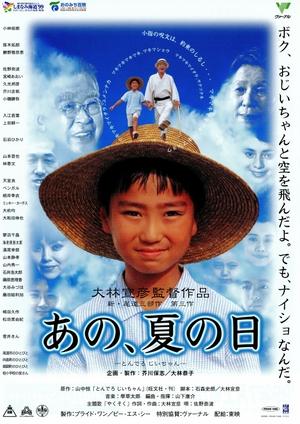
Absent-minded fifth-grader Yuta is sent to spend the summer with his grandfather, whom Yuta's parents think is becoming senile and could benefit from Yuta's companionship. At first, Yuta thinks Gramps is a bit addled, too, but as he gets to know the old man better, he finds that his grandfather sees things quite differently from others.
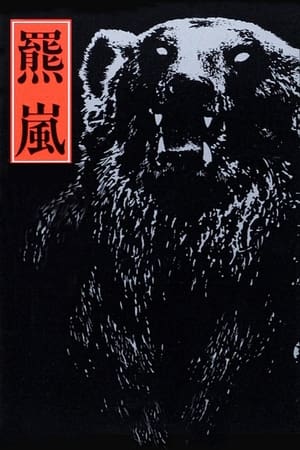
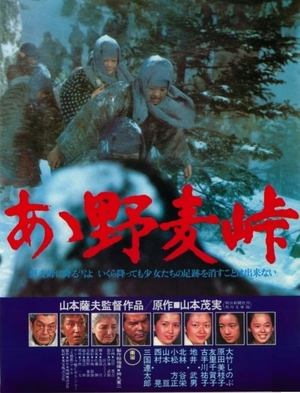
An adaptation of Akira Yoshimura's original suspense novel starring Rentaro Mikuni. 4th year of the Taishō era. About 15 families who moved in search of agricultural land to the land of the pioneers in Hokkaido led a peaceful life. One day, one of the pioneers, Mikio Shimakawa's wife Yura, and her child Taichi are attacked and killed by a bear that cannot hibernate. To resolve the situation, Shimakawa goes against all odds and turns to Ginshiro, the most hated hunter in the village, for help. While Shimakawa was away from the village, Yura and his friends were holding a funeral, the bear attacked again...
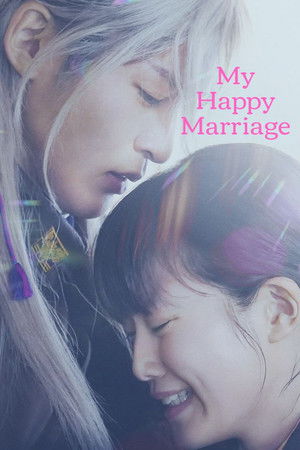
Based on the first novel, Spring Snow, of Mishima Yukio's Sea of Fertility tetralogy, it follows the troubled and illicit affair between two youngsters amongst the aristocracy and rich of early twentieth century Japan.
A young yakuza in love with the girl who's to marry his clan oyabun, kidnaps the girl before fleeing with her. In Tokyo, he hides under the identity of a worker while the young woman becomes a waitress in a restaurant.
In August, 1918, Matsuura Ito lives in a coastal village of Toyama with her husband and three children. During the summer, there wasn't much fish to catch, so her husband has been far away from home to catch fish. To support herself and her children, Ito carries goods from ships like the other women in the village. Meanwhile, the residents encounter rising prices for rice. The women are unable to feed their family due to the high prices of rice. The women ask a nearby rice store to sell rice at lower prices, but it fails. The price of rice continues to rise daily. Due to an incident, Ito and the other village women step up to the plate.
Based on the life and career of novelist Fumiko Hayashi, she bitterly struggles for literary recognition in the first half of the 20th-century – her affairs with feckless men, the jobs she took to survive (peddler, waitress, bar maid), and her arduous, often humiliating attempts to get published in a male-dominated culture.
When a lone traveller stumbles upon a remote, drought-stricken village, he finds himself engulfed in a whirlpool of myth, mystery, and magic: in a nearby pond reside spirits who hold the fate of the town’s inhabitants, including lovers Akira and Yuri, in their hands.
The world is in turmoil with the October Revolution of 1917, riots over the inflationary price of rice, and the military expedition to Siberia in 1918. But Shinsuke, a brothel owner, spends his days in the arms of geishas, paying little heed to the events happening around him.