Women are being jailed, physically violated and at risk of dying as a radical movement tightens its grip across America.
When filmmaker Gina Hara sets out to explore the hidden half of nerd culture, she struggles through unexpected resistance. Welcome to the world of cute dresses, professional gamers, fake names and death threats.
Filmmaker Anand Patwardhan looks to history and psychology as he delves into the possible reasons behind the demolition of the Babri Mosque.
Quand les pouvoirs s'emmêlent
An exploration of the early public debate surrounding birth control, the media's involvement, and the unstoppable Margaret Sanger, in a style mimicking the films of the period.
Femmes prêtres : vocations interdites
Primavera das Mulheres
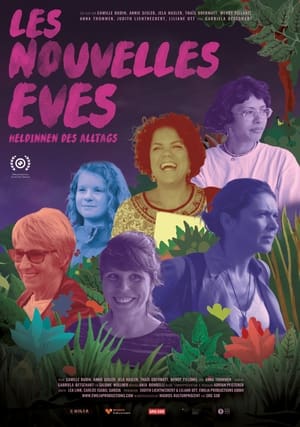
June 2020, Corona, one year after the national women's strike. Six directors dive into the everyday life of six women and explore what it means to be a woman in today's Switzerland.
"Granddaughters of Witches"? A discussion about the reality of the modern woman. Featuring anthropologist Carla Cristina Garcia and artist MC Tha.
After 20 years of living in Berlin, the director Olga Delane goes back to her roots in a small Siberian village, where she is confronted with traditional views of relationships, life and love. The man is the master in the home; the woman’s task is to beget children and take care of the household (and everything else, too). Siberian Love provides unrivaled insights into the (love) life of a Siberian village and seeks the truth around the universal value of traditional relationships.
Nanny, cook or sex slave. For a long time, the mistaken belief that the women in the terrorist organization Islamic State were condemned to blind obedience was held up. But appearances are deceptive. Some of them join the terrorist militia of their own free will. They are fully integrated into the system: they torture with unscrupulous cruelty and actively fight alongside their men. Today, the Caliphate's capitals lie in ruins. Nevertheless, many of the women have stayed and are trying to leave behind memories full of pain and shame. Thomas Dandois gives them a voice.
In the early 1970s, a group of secretaries in Boston decided that they had suffered in silence long enough. They started fighting back, creating a movement to force changes in their workplaces. This movement became national, and is a largely forgotten story of U.S. twentieth century history. It encapsulates a unique intersection of the women’s movement with the labor movement. The awareness these secretaries brought to bear on women’s work reverberates even today. Clericals were the low-wage workers of their era. America now confronts the growing reality of deep income inequality. The stories and strategies of these bold, creative women resonates in contemporary America.
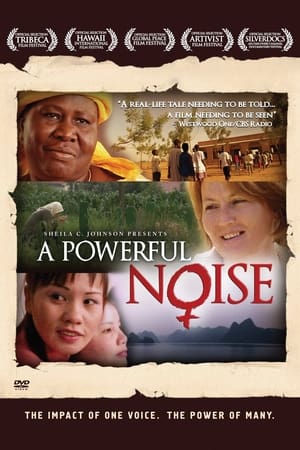
Bookended by call-to-action quotes from Margaret Mead and Mahatma Gandhi, this inspiring documentary follows three extraordinary women -- in Bosnia-Herzegovina, Mali, and Vietnam -- as they lead day-to-day battles against ignorance, poverty, oppression, and ethnic strife.
Summer of revolution
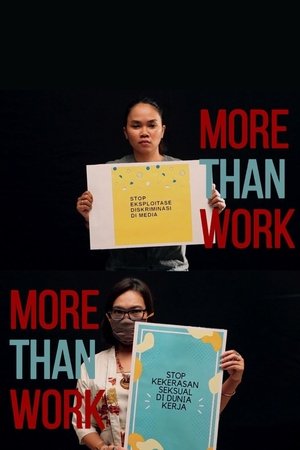
Tells a story about a blurry photo of a woman who works in the media industry in Indonesia. This movie has several perspectives. One point of view is of a woman who works in a media and the other is about the sexual minority, people who aren’t allowed to appear on television due to their sexuality.
Motherhood: a subject so deeply ingrained in our society, we take it for granted as part of the natural order. It's assumed all women want children, that motherhood is not only a biological imperative but the defining measure of womanhood. Titled after one of the myths it challenges, this film draws upon a heady mix of culture, science, and history–revealing the rich and diverse lives of people who said no to children, and the forces that have marginalized them in society.
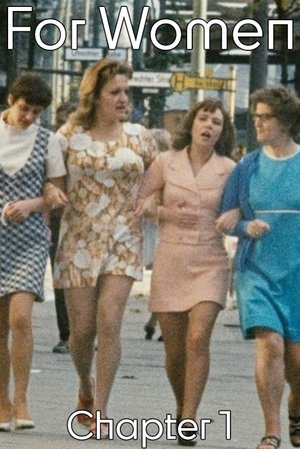
The story of women's struggle against sexual discrimination and for inclusion in the democratic process in (West) Germany after WW II.
Les enfants de Pétain
In the years following the Civil Rights movement and the passage of Title IX in 1972, Dr. Donnis Thompson (a headstrong African-American female coach), Patsy Mink (the first Asian-American U.S. congresswoman), and Beth McLachlin (the team captain of a rag-tag female volleyball team), battled discrimination from the halls of Washington D.C. to the dusty volleyball courts of the University of Hawaii, fighting for the rights of young women to play sports.
The year 2017 marks the 500th anniversary of one on the most important events in Western civilization: the birth of an idea that continues to shape the life of every American today. In 1517, power was in the hands of the few, thought was controlled by the chosen, and common people lived lives without hope. On October 31 of that year, a penniless monk named Martin Luther sparked the revolution that would change everything. He had no army. In fact, he preached nonviolence so powerfully that — 400 years later — Michael King would change his name to Martin Luther King to show solidarity with the original movement. This movement, the Protestant Reformation, changed Western culture at its core, sparking the drive toward individualism, freedom of religion, women's rights, separation of church and state, and even free public education. Without the Reformation, there would have been no pilgrims, no Puritans, and no America in the way we know it.