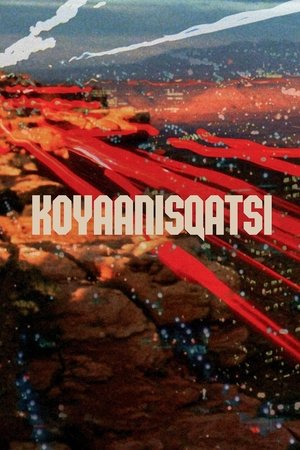
In the vastness of the Iranian desert, young artists strive for freedom, community, and the preservation of their cultural heritage in the ancient caravanserai of Deyr-e Gachin, while facing the harsh conditions of their surroundings.
Filmed primarily in Alaska, The Aquarium contrasts the openness of the primeval Arctic landscape with the entrapment of captured sea mammals in aquariums. It speaks of the progressive destruction of these animals’ habitat, seeing beyond the alluring spectacle.
An oil boom has drawn thousands to America’s Northern Plains in search of work. Against the backdrop of a cruel North Dakota winter, the stories of three children and an immigrant mother intertwine among themes of innocence, home, and the American Dream.
In Venezuelan Guayana, large gold reserves lie beneath “moriche” palms, attracting multitudes of miners to the territory. A fictional explorer narrates a journey from far-flung mines in the jungle to the banks of the Orinoco River, trying to understand the uncertain fortune of humanity immersed in the anxious quest for treasure. His reflections combine illustrations and photochemical paintings to draw a map of the extraction and commercialization of gold, object and symbol through which he questions where value resides.
What starts as a desire to experience nature more intimately develops into a relatable conversation on alternative pathways through life. Two friends go on a two-year road trip through Latin America. Presenting an insight into long term travel and how engaging in new cultures and environments can help widen our perspective and deepen our understanding of the world we live in. Pacifico forms a discussion around the pros and cons of living in the moment; Showing how slowing down and observing the world mindfully can aid in gaining perspective and broaden an understanding of what is important in life.
The Filomena snowstorm in central Spain was undoubtedly exceptional. Its return period in many places exceeded half a century, particularly in Madrid. Despite accurate weather forecasts, Filomena brought roads, public transport, health centers, and other basic services in Madrid to a standstill. What went wrong in the management of this weather event?
A feature documentary about the journey of mankind to discover our true force and who we truly are. It is a quest through science and consciousness, individual and planetary, exploring our relationships with ourselves, the world around us and the universe as a whole.
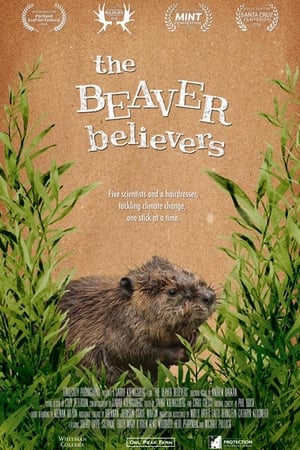
Five scientists and a hairdresser, tackling climate change, one stick at a time.
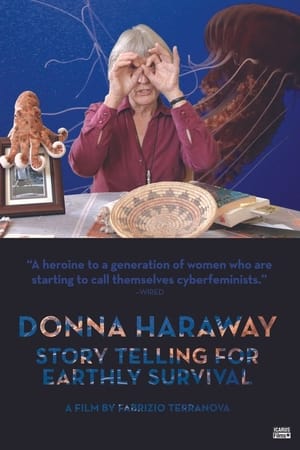
In Fabrizio Terranova’s film, Donna Haraway – an original thinker and activist, one of the founders of cyberfeminism and the author of A Cyborg Manifesto, which proposed a number of innovative theories about the existence of scientific knowledge – calls for the abandonment of the idea of human exceptionalism and for a conception of the world as complex web of interconnections between people, animals and machines. Jellyfish can be seen flying around her home while she discusses the stories that are necessary for Earth’s preservation and reads her fantastic tale of the art of survival on a broken planet, and of fusion and care between the species.
A new uranium mill -- the first in the U.S. in 30 years -- would re-connect the economically devastated rural mining community of Naturita, Colorado, to its proud history supplying the material for the first atomic bomb. Some view it as a greener energy source freeing America from its dependence on foreign oil, while others worry about the severe health and environmental consequences of the last uranium boom.
Anticosti: La chasse au pétrole extrême
The Salton Sea: An inland ocean of massive fish kills, rotting resorts, and 120 degree nights located just minutes from urban Southern California. This film details the rise and fall of the Salton Sea, from its heyday as the "California Riviera" where boaters and Beach Boys mingled in paradise to its present state of decaying, forgotten ecological disaster.
This Academy Award-winning documentary takes a look at children born after the 1986 Chernobyl nuclear plant disaster who have been born with a deteriorated heart condition.
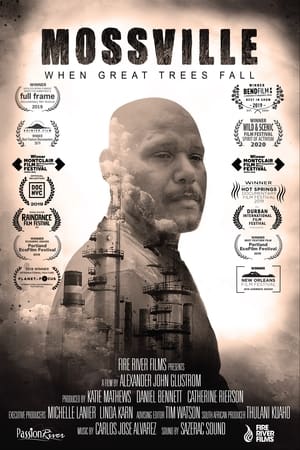
A post in the debate on Swedish forestry highlighting the difficulties and consequences of a hard deforestation with fast-growing forest plantations and a devastating short-sightedness. The documentary shows the vulnerability in the transition to a fossil-free society where we become increasingly dependent on the forest as a natural resource.
A documentary about the life of wild animals.
The foreshore as you've never seen it before! War, survival, and marine ballet: in a Microscomos-style odyssey with sumptuous images, this documentary takes a close-up look at the aquatic world at low tide and its colorful creatures.
This is one of the most beautiful rewilding stories of our time, that of Douglas and Kristine Tompkins, a couple of successful entrepreneurs – The North Face and Esprit – who decided to dedicate themselves to protecting vast territories in Patagonia. The results of their actions are astounding: in 30 years they enabled the creation and expansion of 18 national parks between Chile and Argentina, covering a total area of 7 million hectares, equivalent to the size of a country like Ireland. By transforming these spaces and reconstructing natural ecosystems, the development of these parks has also enabled the creation of social bonds, developed a new form of economic activity, brought forth a political space, and contributed to strengthening the population’s sense of belonging to their territories.
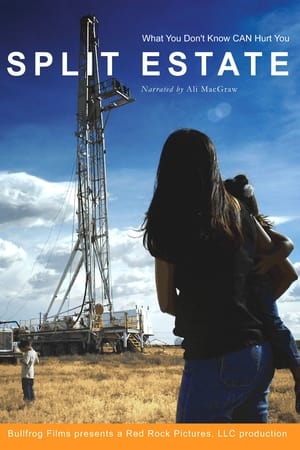
This compelling Emmy Award winning documentary shows the dirty side of hydraulic fracturing and natural gas, an energy source the industry touts as a clean alternative to fossil fuels.
The creation of the Adirondack Park Agency (APA) in 1971 and the impact it has had on the development of the park over the years. Most of the land within the park is privately owned, yet the Adirondacks remain largely undeveloped.
The Southern Sea Otter was historically abundant along the California coastline until intense hunting pressures reduced their numbers to near-extinction levels. But now the otters are coming back, and with them they bring the potential for drastic change to the modern-day economics and ecology of the Santa Barbara Channel.