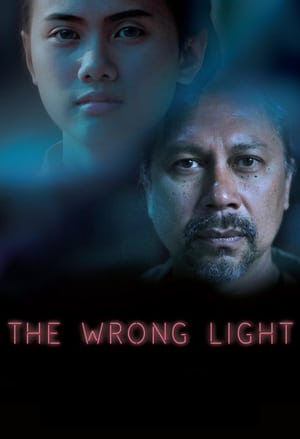
A charismatic activist leads a globally-regarded NGO that provides shelter and education for girls rescued from brothels in Northern Thailand. But as the filmmakers meet the girls and their families, discrepancies begin to emerge and the story takes an unexpected turn.
An investigation into the allegations made in Leaving Neverland (2019).
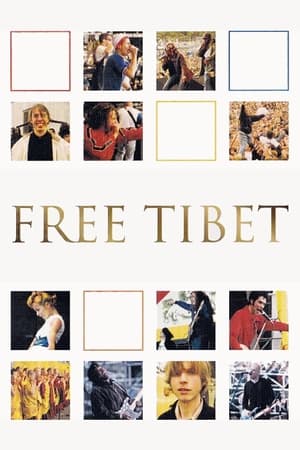
A film about the Tibetan Freedom Concert in San Francisco in 1996.
London at its best? This gorgeously photographed portrait of the capital was made by Marion Grierson, sister of the more famous John Grierson, often hailed as the father of documentary film. The film transcends the typical travelogue thanks to the photography of William Shenton and Grierson's poetic approach to editing - which prefigures modern films like the acclaimed From the Sea to the Land Beyond (2012). The film achieved international fame at the time of its original release, yet Marion Grierson is almost completely overshadowed in the history of British documentary film by her brother John.
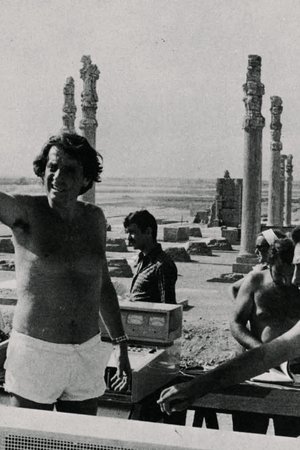
The creation of Iannis Xenakis’ « Persephassa » at the Shiraz-Persepolis Art Festival. There are only a few archives left of this piece, for its ring-like disposition around the audience made it difficult for people to record it or take pictures of it. When it was created in Persepolis, each percussionist was settled on the stump of a column of the Palace of Darius. The distance between them could go as far as 164 feet (50 metres).
The documentary is about an old man from Yerevan who paints on garages, transforming rusty metal walls into vivid landscapes and leaving a subtle yet unforgettable mark on the city.
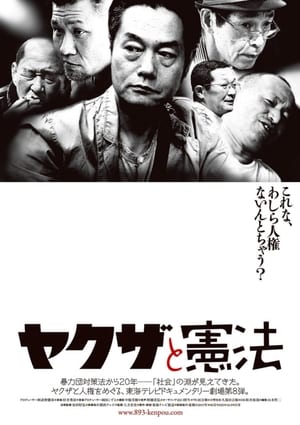
Since the enactment of the Anti-Boryokudan Act and Yakuza exclusion ordinances, the number of Yakuza members reduced to less than 60,000. In the past 3 years, about 20,000 members have left from Yakuza organizations. However, just numbers can’t tell you the reality. What are they thinking, how are they living now? The camera zooms in on the Yakuza world. Are there basic human rights for them?
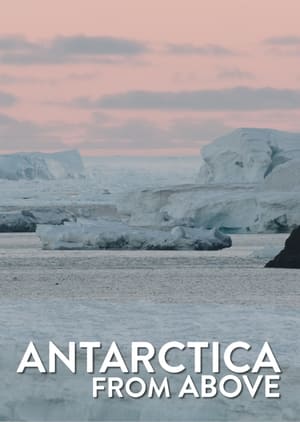
At the bottom of the world is a place of wild isolation. Antarctica. Its vastness and extremes defy description. From volcanoes to glaciers... and peaks that scrape the sky, its geography is like nothing else in the world. Its wildlife embraces harsh, alien landscapes. And the people that make their home there for part of the year survive amidst unbelievable conditions, thanks to some of the most creative problem-solving on the planet. Filmed principally in the Sub-Antarctic and Ross Sea region as a series of vignettes - each based around one astonishing location after another - viewers will explore one of the most remote, and least-visited parts of the continent; less than 500 tourists make the journey to this region each year. Few places on earth capture the imagination like the great white continent. Now see it as it’s never been viewed before.
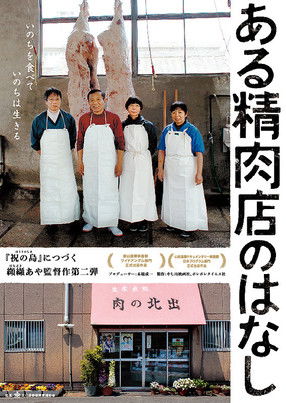
The Kitades run a butcher shop in Kaizuka City outside Osaka, raising and slaughtering cattle to sell the meat in their store. The seventh generation of their family's business, they are descendants of the buraku people, a social minority held over from the caste system abolished in the 19th century that is still subject to discrimination. As the Kitades are forced to make the difficult decision to shut down their slaughterhouse, the question posed by the film is whether doing this will also result in the deconstruction of the prejudices imposed on them. Though primarily documenting the process of their work with meticulous detail, Aya Hanabusa also touches on the Kitades' participation in the buraku liberation movement. Hanabusa's heartfelt portrait expands from the story of an old-fashioned family business competing with corporate supermarkets, toward a subtle and sophisticated critique of social exclusion and the persistence of ancient prejudices.
Uma História de Crimes
Ompung Putra Boru, a sixties indigenous Batak woman from Humbang Hasundutan, North Sumatra, retraces her life stories through photographs that interweave her past and present as a wife, mother, healer and indigenous land defender in two neighboring villages. Her multi-layered stories are juxtaposed with visual records of everyday life in the two villages, where people’s living space is still increasingly threatened by a giant pulp expansion.
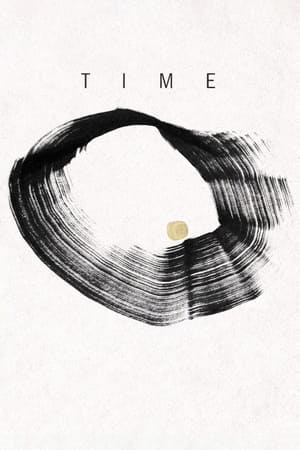
Fox Rich, indomitable matriarch and modern-day abolitionist, strives to keep her family together while fighting for the release of her incarcerated husband. An intimate, epic, and unconventional love story, filmed over two decades.
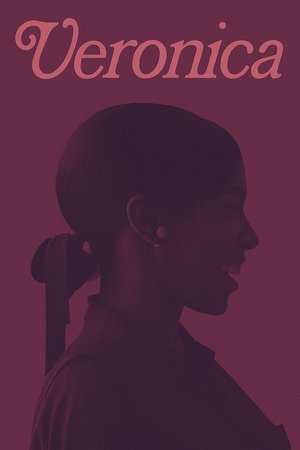
The film focuses on Veronica Glover, a black teenager who has been elected to the Student Congress of her predominantly white high school in New Haven, Connecticut. Hoping to use her position to encourage conversation between her black and white classmates, Veronica narrates her experience in voiceover as we see brief, revealing scenes from her life: a debate in an African Literature class, discussions with her friends, and time spent with a teacher/counselor.
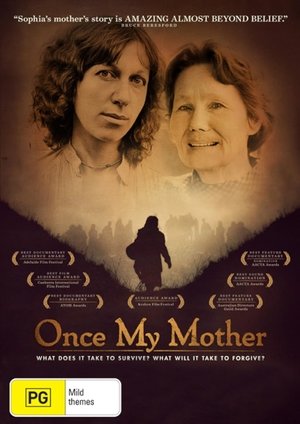
Australian filmmaker Sophia Turkiewicz investigates why her Polish mother abandoned her and uncovers the truth behind her mother's wartime escape from a Siberian gulag, leaving Sophia to confront her own capacity for forgiveness.
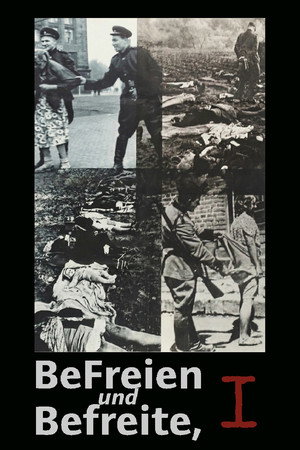
Based on years of research into the mass rapes committed by the Red Army at the end of the Second World War. In the first part of the documentary Helke Sander interviews multiple German women who were raped in Berlin by Soviet soldiers in May 1945. Most women never spoke of their experience to anyone, after 46 years of silence they talk for the first time publicly about their violent experiences that have left such a mark.
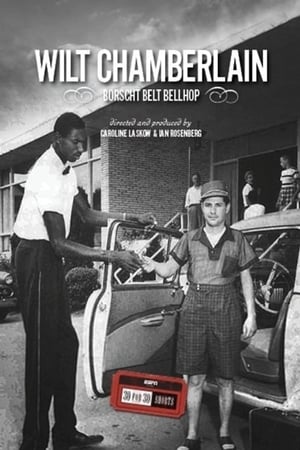
In 1954, before his senior year of high school, Wilt Chamberlain took a summer job that would change his life, working as a bellhop at Kutsher's Country Club, a Jewish resort in the Catskill Mountains. An unexplored and pivotal chapter in the life of one of basketball's greatest players, and a fascinating glimpse of a time when a very different era of basketball met the Borscht Belt in its heyday.
Directed by Marion Grierson, who ran the film unit of the Travel and Industrial Development Association (TIDA), this short film contains some fine photography of the delights on offer to Edinburgh visitors - including trams, bustling streets, restful parks and some familiar tourist sights.
This film features some of the most important living Postmodern practitioners, Charles Jencks, Robert A M Stern and Sir Terry Farrell among them, and asks them how and why Postmodernism came about, and what it means to be Postmodern. This film was originally made for the V&A exhibition 'Postmodernism: Style and Subversion 1970 - 1990'.
Discover Caleb Shomo's odyssey in 'Below the Surface.' Uncover how the pandemic inspired Beartooth's 'Below,' and how 'The Surface' reflects his journey towards self-improvement and positive change.
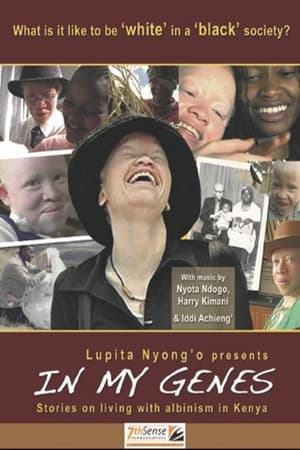
Agnes may not seem like someone with much to laugh about. For one thing, she has albinism - a lack of pigment in the skin, hair and eyes - and her appearance has provoked prejudice from family, friends and strangers since she was born. But despite all odds, Agnes refuses to lead a life of sorrow. This fascinating and inspiring documentary also shares the stories of seven other people's individual experiences of living their lives with albinism in Kenya, a predominantly black society. While each person's story is unique, they all have one thing in common: they know what it is like to stand out uncomfortably from the crowd.