A look at the ongoing animal suffering in the dairy industry, revealing the film the dairy industry doesn't want you to see. You’ve been deceived about dairy your entire life, as the UK’s first documentary exposes the cruelty, health myths, and industry spin behind one of Britain’s most heavily promoted foods.
A young activist goes deep into dairy land where he takes on the giants of New Zealand's most powerful industry, and reveals how the sacred cash-cow industry has been milked dry. His journey exposes not only the sustainability crisis and the dangerous denial of impending agricultural disruption, but also what New Zealand and other countries can do to change their fate.
The fates of undocumented immigrant workers and Wisconsin's $43 billion dairy industry are closely intertwined - and both are grappling with their options for survival as fears of ICE raids and deportations under the Trump administration grow.
Birkenhead's sights, shopping opportunities and industries.
After a devastating fire ravages a milking parlor, a family and its community rally together. This short documentary showcases a journey of resilience, as a family farm rises from the ashes into a new era of cutting-edge robotic technology. The film explores the innovation in modern agriculture, shedding light on the strength of farming communities and the power of perseverance in the face of adversity.
Is the reality of dairy consistent with what the industry tries to convey? Well... make your own mind up.
Documentary short about the Chicago landmark building where thousands of products are displayed for buyers, wholesalers, and tourists.
Modern British dairy farms must get bigger and bigger or go under but Farmer Stephen Hook decides to buck the trend. Instead he chooses to have a great relationship with his small herd of cows and ignore the big supermarkets and dairies. The result is a laugh-out-loud emotional roller-coaster of a film, a heart warming tearjerker about the incredible bonds between man, animal and countryside in a fast disappearing England.
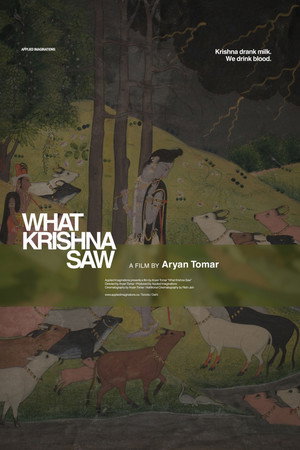
A documentary exploring the relationship between devotion, dairy, and modern Hindu practice through the lens of Krishna consciousness in contemporary India. In the excuse of God, we have institutionalized a contradiction. "What Krishna Saw" investigates the profound disconnect between the ancient, revered sanctity of the cow in Hindu tradition and the stark realities of the modern, industrial dairy complex that fuels today's rituals.
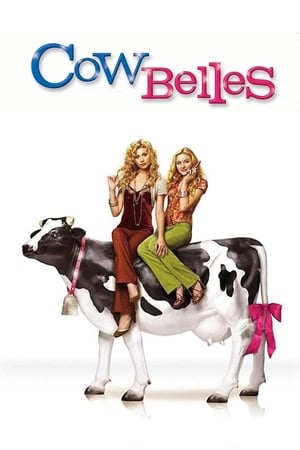
In order to learn how to be responsible, two wealthy teen sisters are forced to work in the family business by their exasperated father. When company funds goes missing, it's up to the girls to save the day.
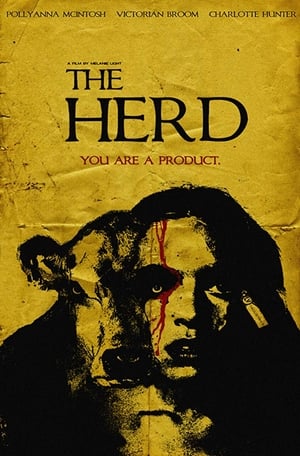
A number of kidnapped and trafficked women find themselves imprisoned in a squalid medical facility. For Paula her continued survival relies on her basic human function. Escape, on any level, is seemingly impossible as the women are condemned to a life of enforced servitude at the whims of their captors; for one reason only – their milk.
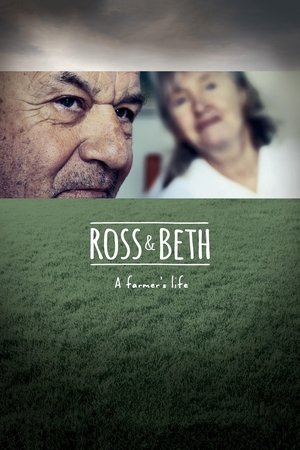
The story of a humble farming couple, a sudden upheaval and an unlikely saviour.
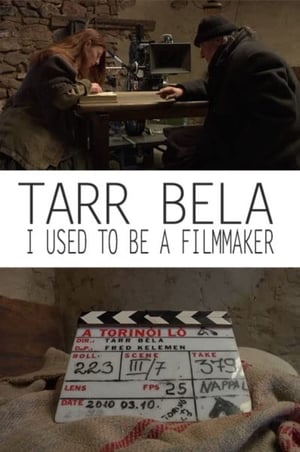
A documentary about the making of The Turin Horse, the last film directed by Hungarian master Béla Tarr.
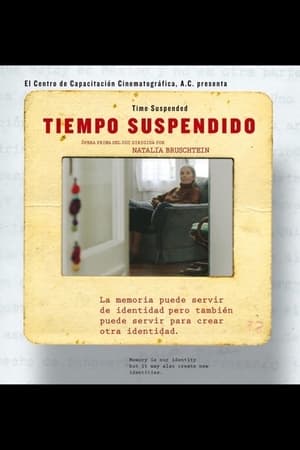
An extraordinary film about memory, and specifically the fading memory of an 86-year-old political activist who has fought tirelessly against historical amnesia and for justice in Argentina. The director’s grandmother, Laura Bonaparte, was one of the founders of the Mothers of the Plaza de Mayo, formed during the 1970s by women whose children and family members had been disappeared by the Videla military dictatorship. Laura herself lost three children and their partners, including the director’s parents. Today, after a lifetime battling that the disappeared never be forgotten, Laura faces her own struggle to remember.
Neuropsychologist Paul Broks travels America in search of the soul of legendary jazz guitarist Pat Martino who was brutally silenced by memory stripping brain surgery. Tracing his remarkable ascent from the depths of amnesia, back to the peak of artistry, Broks explores the nature of memory, self, creativity and the brain systems underlying personal identity. Filmed throughout the US in 2006 and 2007 the film features Delmar Brown, Red Holloway, John Patitucci, Les Paul, Joe Pesci, Carlos Santana and Pete Townshend.
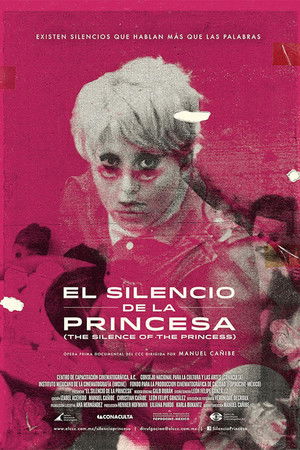
Diana Mariscal reached a moment of fame in the sixties, when at just 18 years of age she was the lead actress of the movie Fando and Lis by Alejandro Jodorowsky. The moment seemed to trigger a promising career, but her public image faded little by little until disappearing. Forty years later the traces of her existence have not been entirely erased.
At the beginning of 2012 the so called war against crime, led by the Mexican Federal Government brought, as consequence, a number of nearly 50,000 casualties and a social climate of violence and distrust. How was this experienced by the men and women who fight this violence from the trenches of science? To the End of Reckoning tells through the eyes of the Jalisco Forensics Institute the development of this engagement, in one of the most violent states in the Country.
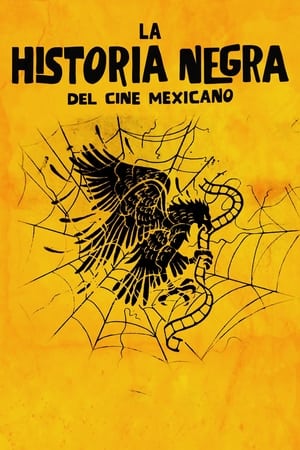
During 1950, Miguel Contreras Torres led a group of filmmakers to officially denounce William O. Jenkins' monopoly on film theaters, which was built throughout the country upon crime and corruption. Ever since, Uncle Miguel was ridiculed and eventually forgotten, but it is certain that his proclaim announced the separation of Mexican cinema and its audience. Discoveries may be found in the films made by Miguel, and bringing back to life these moving pictures might recover this history that was never told, a story that is almost lost and that Contreras Torres himself tried to pass on through his writings in The Black Book of Mexican Cinema.
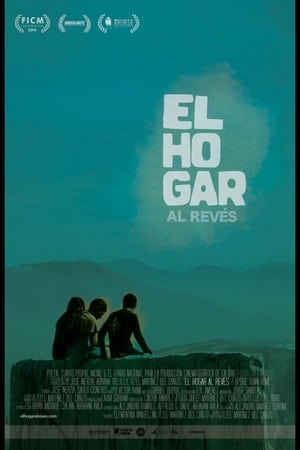
In an unfair country women work day and night far from home while their children learn to survive between loneliness and emptiness. They grow to become teenagers, locked down in one of many low income neighborhoods made up of identical small houses, outlined by overcrowding and scarcity. Their mothers, mostly workers in transnational factories, go in and out in buses that take them to a work place where they carry out twelve hour shifts two hours away from home, while their children muddle through their upbringing in tiny houses of 40 square meters. In spite of everything, they look for a way to move ahead and chase their illusions. This is a story full of youthful aspirations set in a context of difficulties and shortages.
The story of a trade that is dying out, and the strength of those who view this way of life, passed from father to son for generations and now doomed to disappear, with nostalgia and place their hopes for its survival in someone they would never have imagined.