"When this last war broke out, I was faraway in Paris. I had but one idea: to return to Beirut as quickly as possible and to begin shooting a film, for historical moments were taking place. This film became indispensible: to film so that history would cease repeating itself and to build up a picture library for future generations. I never understood why so few films were made during the Lebanese Civil War. Apart from the odd film, nothing remains from that time. The war surely merited more attention." (Waël Noureddine)
Ashes
A Beqaa Valley refugee camp is seen through the eyes of Asma, an 11-year-old Syrian girl.
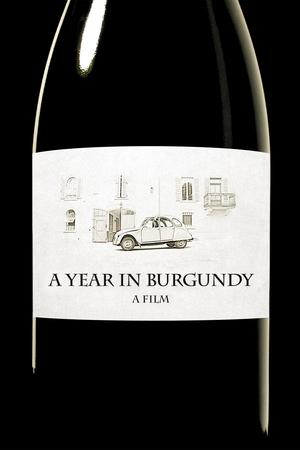
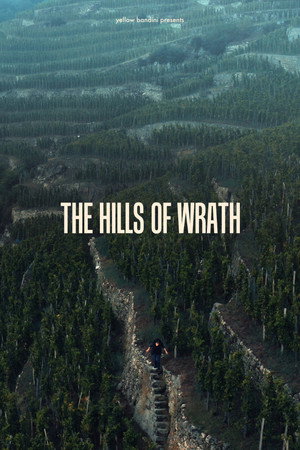
This documentary follows seven wine-making families in the Burgundy region of France, delving into the cultural and creative process of making wine. You'll never look at wine the same way again.
Embark on an unforgettable journey through the picturesque vineyards of Italy, where one man's passion for wine leads him to discover not only exceptional wines but also the true meaning of life.
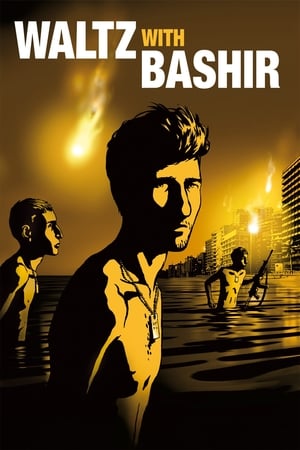
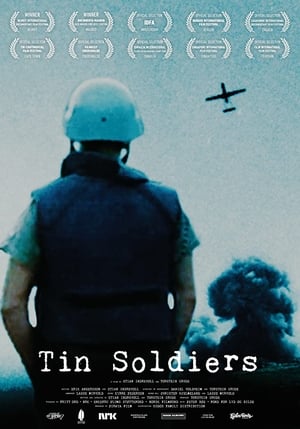
An Israeli film director interviews fellow veterans of the 1982 invasion of Lebanon to reconstruct his own memories of his term of service in that conflict.
À nos terres : Autonomia paisana
Severely battered from the Beirut Port Explosion on August 4th, Minerva passed away eight days later. Her son Joseph, while still grieving for his loss, sunk into a long and absurd bureaucratic path through the inept system that disowned his mother as a victim of the blast. Minerva is gone. The explosion has snatched her soul, and the city walls have not yet recognized her as a martyr. There is no poster of her smiling face among those of the victims. Their faces are memories that will haunt us for the rest of our lives. Perhaps her son, devastated by her passing, seeks to etch her image into the city's memory. Perhaps he is seeking some confession to the crime. This is a place that casts out its children, whether dead or alive.
In July 1982, the Israeli army besieged Beirut. Four days earlier, Jocelyne Saab sees her house burn and 150 years of family existence go up in smoke. She then takes refuge in questioning: when did this all begin? How did the Beirut people live the siege? Each place will then become a story and each name a memory.
For years, there has been an effort to discover the exact origin of the most popular American grape variety and wine, Zinfandel. Thanks to modern technology, forensics, and DNA analysis, the collaboration between American and Croatian laboratories has born fruit: Zinfandel is the Croatian Crljenak Kaštelanski.
Inhabitants of Beirut talk about their love for the singer Fairuz.
Drawing inspiration from his personal encounter with the Italian refugee child Giovanna during World War II, Markus Imhoof tells how refugees and migrants are treated today: on the Mediterranean Sea, in Lebanon, in Italy, in Germany and in Switzerland.
While living in a deserted valley in eastern Lebanon, seven-year-old Rahaf describes the wonders of her past, present and future – without knowing the limits of her own imagination.
Mondovino (in Italian: World of Wine) is a documentary film on the impact of globalization on the world's different wine regions written and directed by American film maker Jonathan Nossiter. It was nominated for the Palme d'Or at the 2004 Cannes Film Festival and a César Award. The film explores the impact of globalization on the various wine-producing regions, and the influence of critics like Robert Parker and consultants like Michel Rolland in defining an international style. It pits the ambitions of large, multinational wine producers, in particular Robert Mondavi, against the small, single estate wineries who have traditionally boasted wines with individual character driven by their terroir.
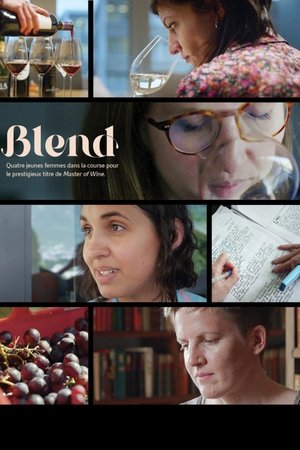
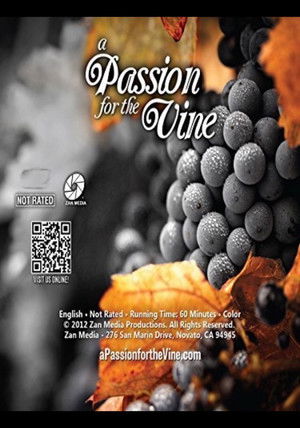
101 million Americans drink wine. Over 1/3 of that wine comes from overseas and a vast majority of the remainder comes from Northern California. We've all heard of Napa, Bordeaux and Burgundy. What about Paso Robles? Or Austin, Texas? How about wine from Michigan? Did you know Canada makes world-class wines? Mexico too? The list goes on...and we're going to take you along with us as we explore each of these new world-class wine regions and the people that make them so awesome to visit.
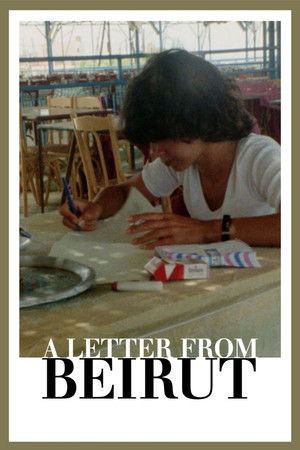
In this video, the artist tries to overcome the effects of distance, and reflects on geography represented in exile due to war, and on the psychological distance represented in each one’s approach to her womanhood. The video beautifully weaves personal images and audio recordings of a very intimate nature, binding the personal with the political. Reading aloud from letters sent by her mother in Beirut, Hatoum creates a visual montage reflecting her feelings of separation and isolation from her Palestinian family. The personal and political are inextricably bound in a narrative that explores personal and family identity against a backdrop of traumatic social rupture, exile and displacement.
1976 marks the beginning of Beirut’s calvary. With a child’s eyes the filmmaker follows for six months the daily destruction of the city’s walls. Every morning, between 6 and 10am she roams around Beirut while the militia from both sides rest from their night of fighting.
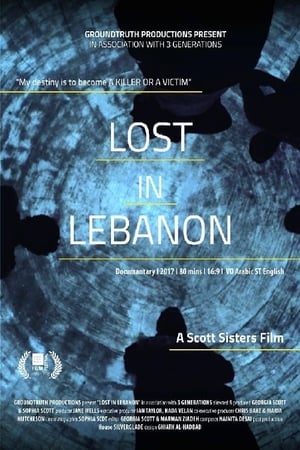
Lebanon is a country hijacked by sects, money, and power. While citizens long for a collective identity to thrive as a community, politicians use the sectarianism for their corrupt ambitions. Unless there is a change, Lebanon will be lost forever.
Lebanon today. The traces of the civil war are all too tangible as government corruption becomes unbearable. In a country where conflict and peace are caught in an endless cycle, musicians from different backgrounds pool their talents to create an underground music scene. Each evokes his or her representation of Lebanon: its shifting geographical, political, historical and social borders, its painful passage through conflict and instability. A touching portrait of a young generation trying to build an oasis in a hostile environment where the forces of destruction continue to wreak havoc.
At the crossroads of Armenia and Iran, a father and daughter must overcome war, religion, and geopolitics to establish their wines on the global stage and reclaim a 6,000-year-old tradition of winemaking.