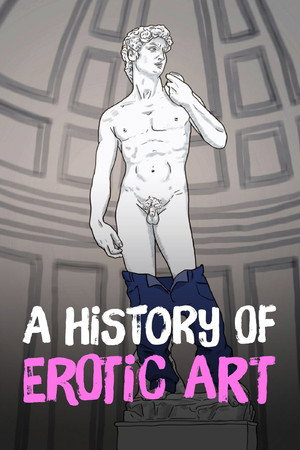
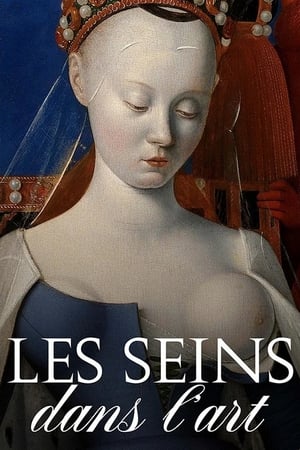
The people of Antiquity had little problem with nudity and would not find graphic depictions of sexual acts as morally suspect or obscene. But Christianity changed perspectives, bringing in notions of shame and the negation of the body. This documentary looks at the erotic in art over the last two thousand years.
“Balance of Life” is a film about life’s and human kinds’ fight to find the balance between our own evolving life style and the nature of the planet we inhabit. The human race is drifting further and further away from its real roots and from what being a human is really about. The speed of development has increased to a state where humans have a hard time keeping up. We find ourselves in a situation where both our own and the planets’ wellbeing is severely threatened. As a last resort human is relying on faith to find the balance. Is faith the last defense of man or is this world guided by forces greater than us? Is this force God, evolution or just the mere sum of coincidences that formed the universe, the natural order and laws of physics?’ Watch it here (https://vimeo.com/51203265)
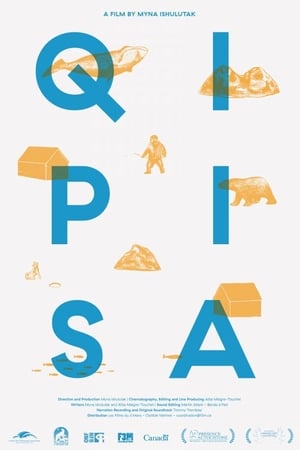
The director goes back to her roots in Pangnirtung, amongst her family and community. It leads her to another journey: to Qipisa, the outpost camp from where they were uprooted.
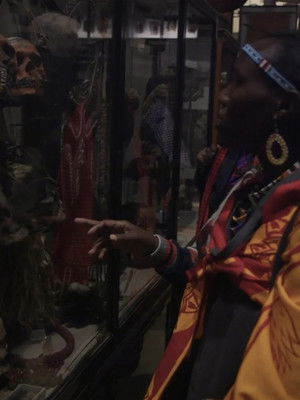
Decolonising the Curatorial Process is a forty-minute documentary which explores decolonial strategies in an academic and curatorial context. The film features academics, activists and practitioners, and contains case studies of institutions that are deploying critical, self-reflective forms of curatorial practice. The Museum of London Docklands exhibition on slavery and the sugar industry is examined as an example of how an institution can decolonise the curatorial process, utilise the work of artists in a museum context, and critically examine East London's imperial history. The Pitt Rivers museum in Oxford, who are working with Maasai activists from Kenya and Tanzania on a project centred on repatriating the museum's collection of sacred Maasai artefacts, also features in the film.
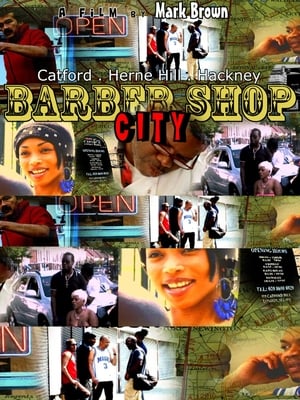
A documentary revealing an observation on three barbershops throughout the course of one summer's day in the city of London - Hackney, Herne Hill, and Catford.
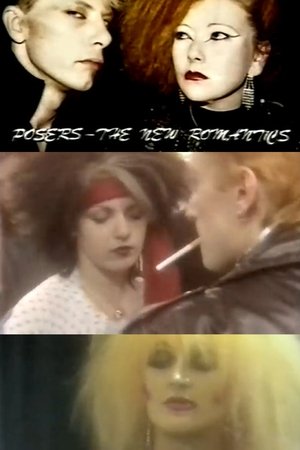
Shot in a single day, POSERS captures a thriving subculture in Kings Road, London: the style, music, and expression of the New Romantics.
2-channel film installation 'Die Last meines Namens', wherein Heydt deals with an unpleasant part of his own family history. Heydt’s great-grandfather was a member of the NSDAP and mayor of the small town of Haselünne in Emsland for almost 10 years during the Third Reich. Based on interviews with his grandfather and research in various archives, Heydt develops a personal perspective on the subject. The film deals with how we construct identity from oral retellings, how we process family histories, and how we can find current and personal points of access to German remembrance culture. At the heart of the work are two conversations with his grandfather Heinrich Heydt, recorded at different points in the research process. In them, the grandfather describes his memories of his father, the time, and the two reflect on the subject and the results of the research.
In Mahdia, Tunisia, Maram embarks on an intimate journey through the ancestral customs that have shaped her life, exploring matrimonial traditions, and highlighting the Henna, where the bewitching songs of the Machtat resound. Tracing her childhood memories, guided by Latifa and Habiba, two prominent Machtat, she uncovers the maternal essence of tradition, where the bond between mother and bride is at the heart of these intimate celebrations.
The documentary, filmed in England in autumn 2020, sheds light on the genesis and background of the social drama.
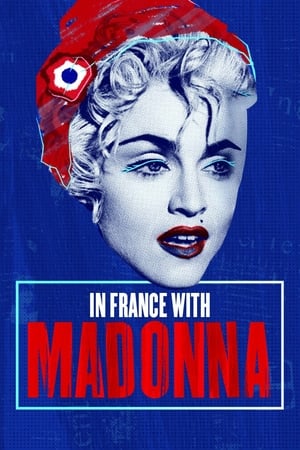
France is at the heart of Madonna's life. She is inspired by French culture and its values and has surrounded herself with French artists for many years. To celebrate the 40th anniversary of the Queen of Pop's career, this film revisits the close and unique bond between Madonna and France and features testimonials from close collaborators and French friends who have helped create her unique artistic universe: Maripol, Jean Paul Gaultier, Julien d'Ys, Nicolas Huchard, and Marion Motin. Today's artists such as Florence Foresti, Leïla Slimani, Victor Weinsanto and HollySiz talk about the influence of this emancipating figure, which extends far beyond music.
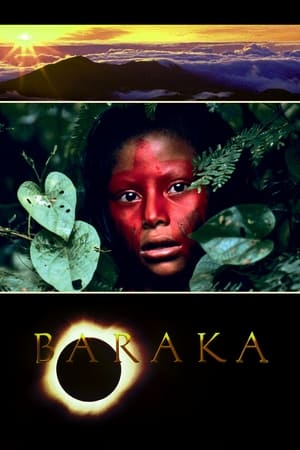
A paralysingly beautiful documentary with a global vision—an odyssey through landscape and time—that attempts to capture the essence of life.
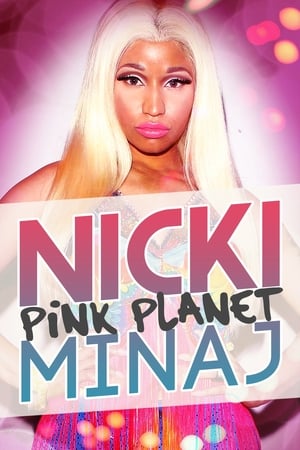
An in-depth look at the personal life of rapper and singer Nicki Minaj, whose fast-paced rap style and interesting alter-egos connected with audiences all over the world.
A custom car photographer, along with a talented metal flake painting artist, Alejandro Minissale, tour workshops, artists' studios, and custom events in Argentina with a single purpose: to promote this lifestyle that encompasses the world of American cars, as well as motorcycles, tattoo artists, illustration, memorabilia collecting, musicians and others.
Openland is an art film guided by issues surrounding micro states and its derivative definitions. Through intertwining interviews, meta-narratives, and digital landscapes, Openland unfurls a dialogue between consciousness, individuality and collectivity.
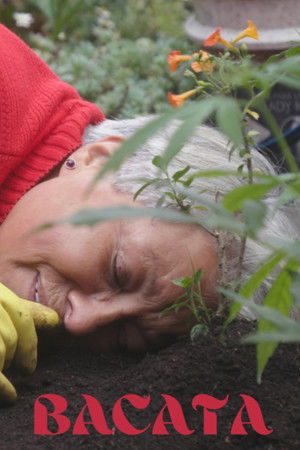
Bacata is the first name of Bogotá: the lady of the Andes, the mountain that lights up. It's also the name of a tower, the tallest in Colombia, never completed. From the 28th floor, Laura observes the city, its secrets and its struggles. From the 28th floor of Colombia’s tallest building—a long-awaited, still-unfinished tower block in the centre of Bogota—Laura observes the city below, its secrets and its struggles, as a colourful cast of gardeners, activists, and human statues go about their daily lives in the shadow of the country’s history.
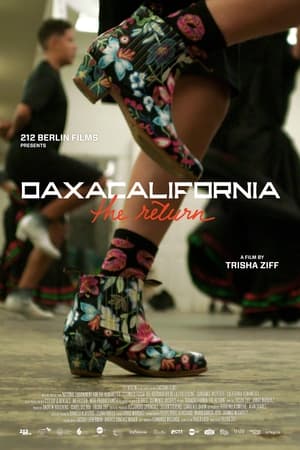
The Mejia family emigrated from Oaxaca to Fresno, California 40 years ago. Filmmaker Trisha ZIff filmed the family in 1996, and returns now to see the changes that have settled over them, and follows the family on their return to Mexico.
The Europeans want to be forgiven for the tragic colonial period. The aborigines try to preserve their ancient roots from the present and the future. In the North Territory.
Truth Rising isn’t just a documentary— it’s a call to action at a critical time in our culture. As faith, identity, and morality are being redefined, this documentary exposes the civilizational moment we are living in. Through powerful stories and expert insights, it reveals how ordinary people can make an extraordinary impact—by boldly choosing courage over fear. As the world redefines truth, Truth Rising offers clarity, courage, and a Christ-centered path forward.
What happens to families in the absence of sons? What happens to land in the absence of farmers? What happens to villages in the absence of men? Sent Away Boys weaves together stories of individual ambitions and family biographies from Punjab (India) to chronicle the gradual transformation of agrarian landscape and patriarchal traditions through ongoing transnational migration. As the promise of a secure future in agriculture grows increasingly uncertain for young men across the region, escaping India to join the low-wage labor in countries like Canada and USA becomes their sole aspiration. In rural Punjab, being a successful man now entails leaving their village, traveling abroad, and sending money home. Through interviews with men preparing to undertake often risky journeys and women awaiting the return of their sons, brothers and husbands, Sent Away Boys shows how young men's decisions to emigrate implicate families and communities across North India.
The female breast has been a motif for as long as there has been art. For centuries, people have been creating works that showcase this intimate and emotionally charged part of the body. Today, female artists are questioning traditional ideals of beauty and countering the male-dominated perspective of the breast with their own.