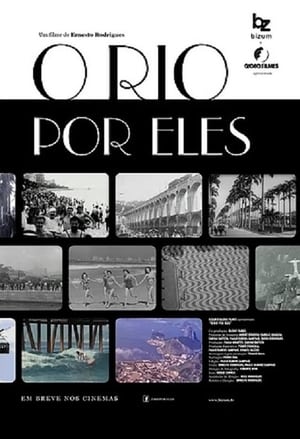
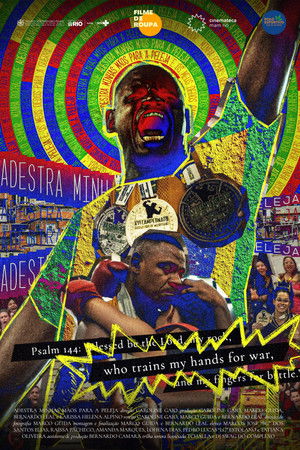
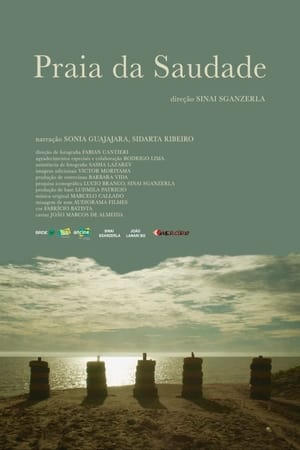
An unprecedented collection of pictures, characters and historical facts about the city of Rio de Janeiro, rescued by tv networks, documentary filmmakers and foreign journalists over the course of the 20th Century. The film reveals how Rio, its inhabitants and its cultural and natural attributes have been seen by foreigners. This is an opportunity to relive, through the eyes of a foreigner, social, political, technological and mundane events which Brazilians either did not manage to document audiovisually or whose works were lost.
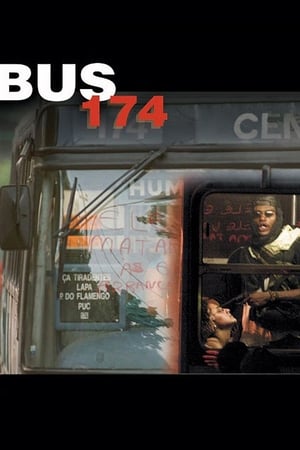
Documentary depicts what happened in Rio de Janeiro on June 12th 2000, when bus 174 was taken by an armed young man, threatening to shoot all the passengers. Transmitted live on all Brazilian TV networks, this shocking and tragic-ending event became one of violence's most shocking portraits, and one of the scariest examples of police incompetence and abuse in recent years.
Todo Dia é Dia de Feira
Italian mondo featuring scenes of night life in North and South America, including Las Vegas, New Orleans, San Francisco, Buenos Aires and Rio de Janeiro.
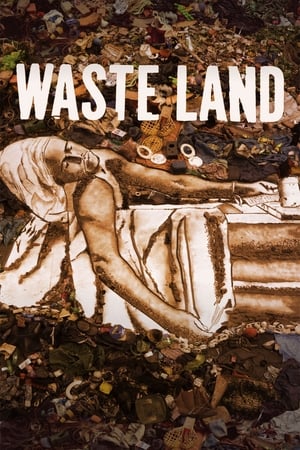
An uplifting feature documentary highlighting the transformative power of art and the beauty of the human spirit. Top-selling contemporary artist Vik Muniz takes us on an emotional journey from Jardim Gramacho, the world's largest landfill on the outskirts of Rio de Janeiro, to the heights of international art stardom. Vik collaborates with the brilliant catadores, pickers of recyclable materials, true Shakespearean characters who live and work in the garbage quoting Machiavelli and showing us how to recycle ourselves.
How Do You See Me? is a Brazilian documentary feature that entwines both experienced actors and beginners to explore the hardships and the happiness that are inherent to the job when detached from the glam and glitz of the gossip industry, creating a diverse and comprehensive mosaic of what it means to be an actor in Brazil, a country so full of contradictions. The film brings forward a reality that the masses usually don't get to know: the men and women moved by a deep passion for acting and touching people. With Julio Adrião, Matheus Nachtergaele, José Celso Martinez, Cássia Kis, Nanda Costa, Babu Santana, Luciano Vidigal and Letícia Sabatella, among others.
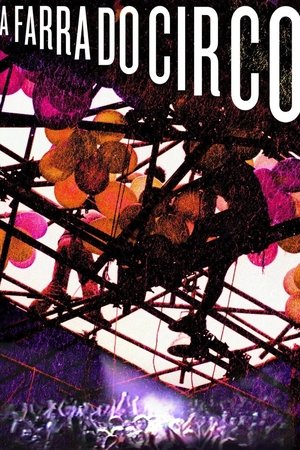
This documentary highlights the evolution of Brazil's Circo Voador venue from homespun artists' performance space to national cultural institution.
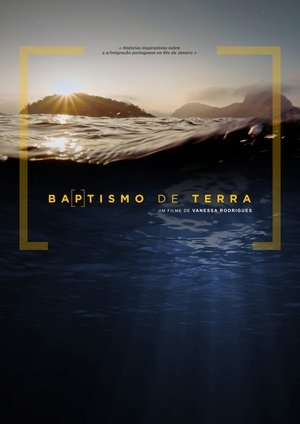
Baptismo de Terra
Joseph Wilson meets the dance teacher fighting transphobic violence through voguing in Rio’s favelas.
Deixa O Samba Me Levar
For the first time ever, experience the work of a nation as it host the world and puts on a show like never before.
Moroccan paralympic gold medalist Azzedine Nouiri is no longer looking for the longest throw, but to overthrow the system that keeps athletes with different abilities marginalized as destitute second-class citizens.
Duque de Caxias para quem fica
Wildlife in Rio
Fidel Castro no Rio de Janeiro, 1959
Tradição e Herança Ancestral - A história dos Mestres de Folias de Reis de Nova Iguaçu
A record of what entertains the residents of Gardênia Azul, a neighborhood in the West Zone of Rio de Janeiro. On street corners, leisure activities in the community also reveal talents.
On the outskirts of Rio de Janeiro during its world famous Carnival, far from the beach and the touristic clichés, there is an explosive contest between neighbourhoods. This old form of carnival features teams of futuristic gladiators that are a surreal mixture of play and menace. A tradition that has its roots in ancient European carnival traditions and in African rituals, they look like visitors from another planet.
Documentary about the band Zumbi do Mato, known in the underground musical scene of Rio de Janeiro for the humorous and surreal songs, written in a style of flow of conscience and full of scathing allusions to popular culture.
This Traveltalks short showcases the sights and sounds of Rio de Janeiro, emphasizing its Portuguese influence.