Ο κλοιός
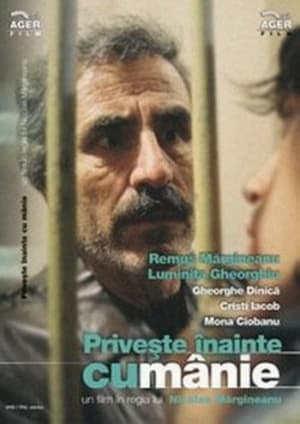
Convinced that his subtenant is a spy and an enemy of the state, Ilija Čvorović falls into deep paranoia which leads to an absurd and destructive chain of events.
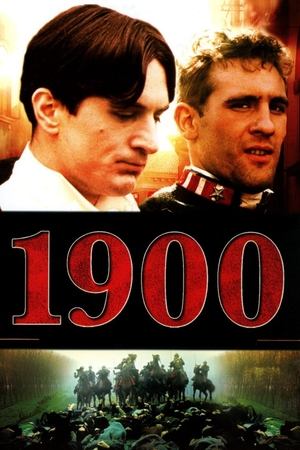
In Czarist Russia, a young peasant boy is sent to Siberia for insulting the Grand Duchess. Released years later, he joins the fighting to overthrow the royal family. The entire royal family is condemned to death when fighting ceases.
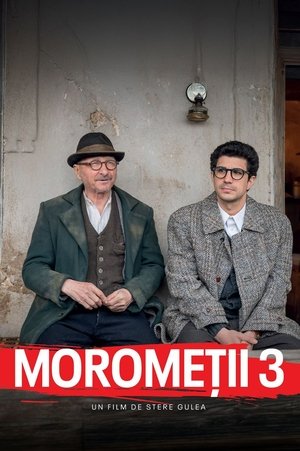
A drama focused on Norwegian society in the 1970s, an era politically influenced by Marxism and Leninism.
Documentary filmmaker Genya Tachibana has tracked down the legendary actress Chiyoko Fujiwara, who mysteriously vanished at the height of her career. When he presents her with a key she had lost and thought was gone forever, the filmmaker could not have imagined that it would not only unlock the long-held secrets of Chiyoko’s life... but also his own.
Querido Fidel
Asako lives in Osaka. She falls in love with Baku, a free-spirit. One day, Baku suddenly disappears. Two years later, Asako now lives in Tokyo and meets Ryohei. He looks just like Baku, but has a completely different personality.
At the age of 11, Li was plucked from a poor Chinese village by Madame Mao's cultural delegates and taken to Beijing to study ballet. In 1979, during a cultural exchange to Texas, he falls in love with an American woman. Two years later, he managed to defect and went on to perform as a principal dancer for the Houston Ballet and as a principal artist with the Australian Ballet.
Accio and Manrico are siblings from a working-class family in 1960s Italy: older Manrico is handsome, charismatic, and loved by all, while younger Accio is sulky, hot-headed, and treats life as a battleground — much to his parents' chagrin. After the former is drawn into left-wing politics, Accio joins the fascists out of spite, but his flimsy beliefs are put to test when he falls for Manrico's like-minded girlfriend.
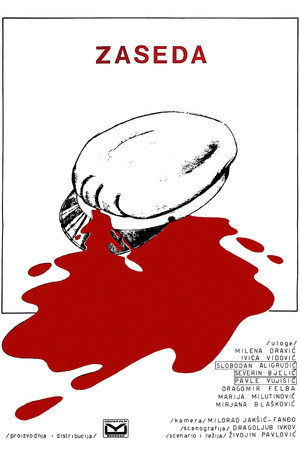
Three young man run in the rain with a borrowed car. The first accident, whose victim is a girl, gives the signal for a race through the city to escape the police crews. Race ends tragically, with another serious incident, even one victim is involved. The only way out is escape. The film shows the psychological transformation of fugitives, in their desperate attempt to evade the consequences and pressures of their conscience.
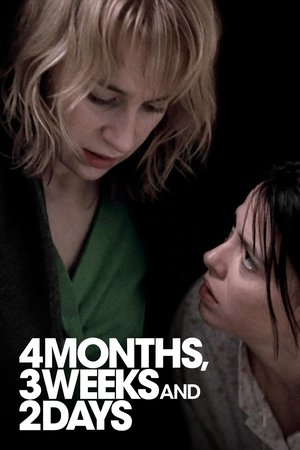
Two college roommates have 24 hours to make the ultimate choice as they finalize arrangements for a black market abortion.
After a fictitious marriage with a Russian emigrant, Cellisten Louka, a Czech man, must suddenly take responsibility for her son. However, it’s not long before the communication barrier is broken between the two new family members.
Kuhle Wampe takes place in early-1930s Berlin. The film begins with a montage of newspaper headlines describing steadily-rising unemployment figures. This is followed by scenes of a young man looking for work in the city and the family discussing the unpaid back rent. The young man, brother of the protagonist Anni, removes his wristwatch and throws himself from a window out of despair. Shortly thereafter his family is evicted from their apartment. Now homeless, the family moves into a garden colony of sorts with the name “Kuhle Wampe.”
Animals on a farm lead a revolution against the farmers to put their destiny in their own hands. However this revolution eats their own children and they cannot avoid corruption.
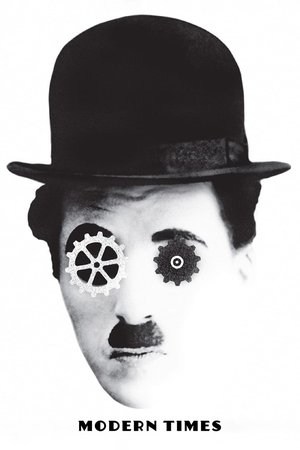
A bumbling tramp desires to build a home with a young woman, yet is thwarted time and time again by his lack of experience and habit of being in the wrong place at the wrong time..
In 1979 Cuba, flamboyant gay artist Diego attempts to seduce straitlaced David, an idealistic young communist, and fails dismally. But David conspires to be "friends" with Diego so he can monitor the artist's subversive life for the state. As Diego and David discuss politics, individuality and personal expression in Castro's Cuba, a genuine friendship develops between the two.
Based on the true story of a Russian serial killer who, over many years, claimed victim to over 50 people. His victims were mostly under the age of 17. In what was then a communists state, the police investigations were hampered by bureaucracy, incompetence and those in power. The story is told from the viewpoint of the detective in charge of the case.
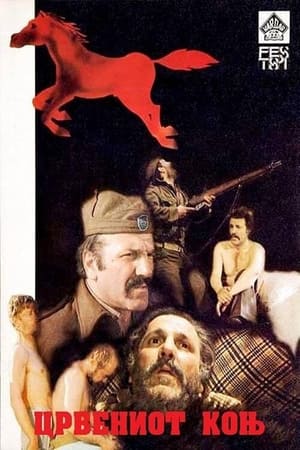
Set in the dense forests of 1940s Eastern Europe, this story reveals the supernatural encounters that challenge three soldiers' understanding of life and death.
This is part one of a two-part biopic about Karl Liebknecht. In 1914, Germany is arming itself for war. Karl Liebknecht, left-wing revolutionary Social Democrat, workers’ leader and a virulent antimilitarist, is one among 110 SPD members of Parliament who vote against approving war loans. From then on, he is considered un-German and a traitor to the fatherland, and his own party’s leadership turns against him. Despite threats, Liebknecht speaks up against the war and writes the manifesto “The Main Enemy Is at Home.” Even when he is arrested and charged with treason, he does not surrender.
October 1918: Karl Liebknecht is released from prison and Berlin workers celebrate his release. Although WWI is almost over, the German Kaiserreich in vain sends its last reserves to the slaughter. The working class is in a rebellious mood; the uprising of Kiel’s sailors against war and militarism sets off a call for revolution led by Liebknecht. On November 9, Liebknecht declares the Free Socialist Republic of Germany. But pro-Kaiser military and right wing Social Democrats oppose him.