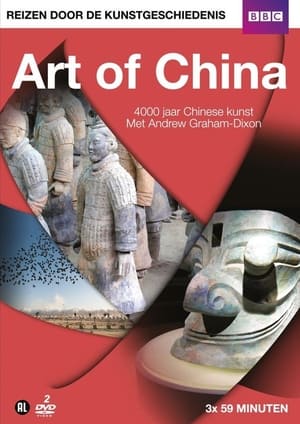
Nigel Spivey reveals how the images which surround us today come from the ancient world. It's an epic journey spanning five continents and a hundred thousand years of history.
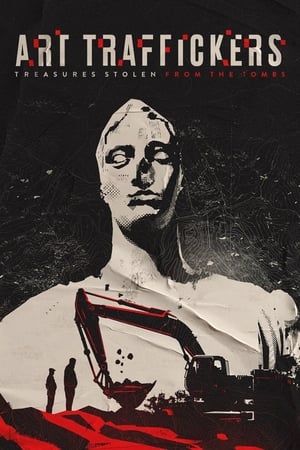
Through a combination of interviews and studio reconstructions, recount the gripping stories behind those who have excavated and stolen masterpieces.
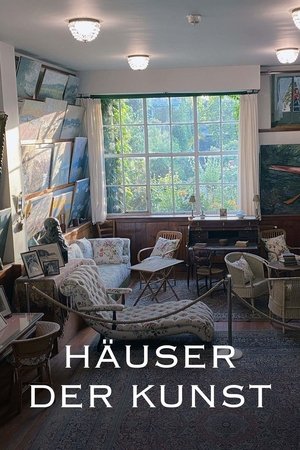
The series Houses of Art takes viewers to places where great artists lived, worked, and found inspiration. It is in these settings that masterpieces were created and personal dramas unfolded—offering a cinematic journey of discovery through the landmarks of European art history. Far from the bustle of the world, artists found creative momentum in homes that still bear the imprint of their genius today, attracting visitors from all corners of the globe.
A history of American art with Waldemar Januszczak
The greatest art works of all time - born of war and bloodshed - as rival artists Michelangelo, Leonardo and Raphael compete to craft beauty from chaos. Starring Charles Dance.
In this three-part documentary series Waldemar Januszczak discovers paintings, sculptures and architecture of the Baroque period. Starting from the square of Saint Peter's Basilica in Italy to St Paul's Cathedral in England.
Channel 4 documentary series covering all branches of the arts.
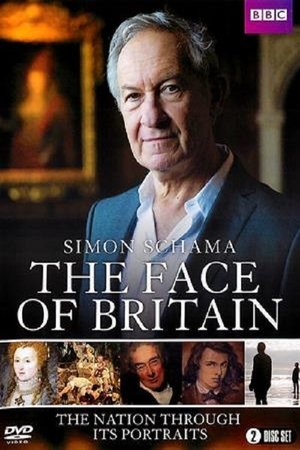
Documentary series in which historian Simon Schama recounts the story of eight moments of high drama in the making of eight artistic masterpieces.
During the turbulent 19th century, a number of brilliant French artists developed the Romantic movement in Paris: writers Victor Hugo, Alexandre Dumas, George Sand, Honoré de Balzac and Charles Baudelaire, painter Eugène Delacroix and composer Hector Berlioz, among others, changed the way of looking at art and created enduring works that have inspired the world to this day.
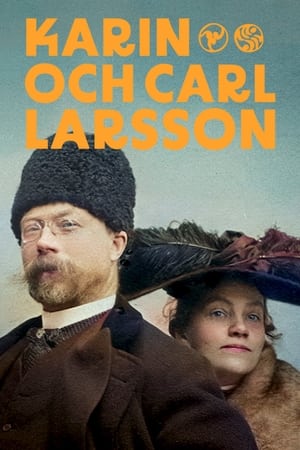
Karin och Carl Larsson
In his most personal project to date, Simon Schama looks back at the dramatic history that has played out in his lifetime. Best known for writing history, he has lived a fair bit of it too. Born in 1945, on the night of the bombing of Dresden, Simon grew up as part of a generation determined to rebuild the world from the ashes of war. In this film, he reveals the stories of artists and writers who have been at the forefront of the fight for truth and democracy, often at great personal cost.
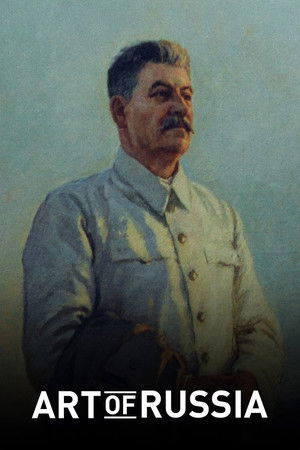
Art historian Andrew Graham-Dixon travels through time to unlock the world of Russian art.
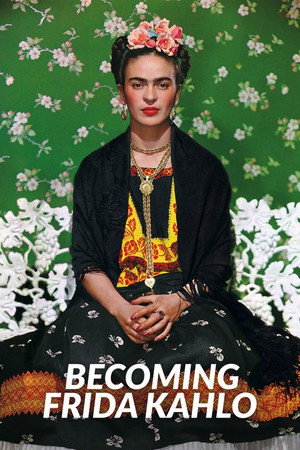
A look into Frida Kahlo's world, revealing an artist driven by politics, power, sex and identity, with her epic love affair with Diego Rivera at the heart of it all.
In the show, selected applicants each present a curiosity, rarity or antique they have brought with them. Once they have received their expertise, they will have the opportunity on site to offer their exhibit to a changing five-person podium for sale and, ideally, to sell it to the highest bidder for „Bares“ ("cash").
Sister Wendy Beckett takes a journey through the history of art in this ten-part series.
First broadcast on October 2, 1989, these 18 original 30-minute episodes provide a panorama of 2000 years of architecture, painting and sculpture, and studies the art masterpieces as reflections of the Western culture that produced them.
This 3 part series is presented by the British Art Critic, Andrew Graham-Dixon. He explores the Low Countries of the Netherlands and Belgium and how history has influenced the area's art, architecture and culture. Cloth was used in the area's first expression of art in the making of tapestries going back to the 14 th century. They were the No. 1 luxury item of the day. The Low Countries were well placed geographically for markets for their art.
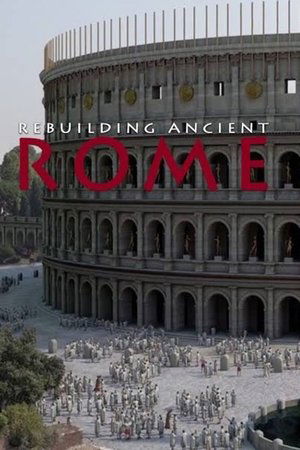
Supported by stunning 3D graphics, Dr. Darius Arya explains the purpose and architectural significance of ancient Roman buildings.
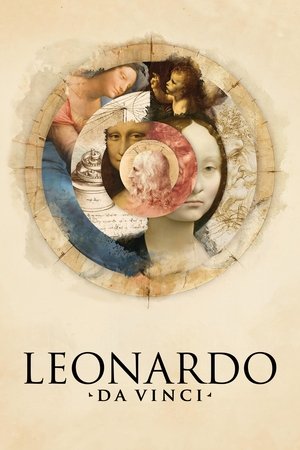
This two-part, four-hour documentary delves into the world of a 15th-century art titan and unravels his journey while shedding light on his lasting impact on future generations.
An intimate portrait of the lives of the artists, founders of modern art, who lived in Montmartre from 1900 until the liberation of France from the German yoke in 1944, near the end of World War II.