Black White & Blue covers race issues in America, police brutality, the Black Lives Matter movement, the Flint Water Crisis, and the 2016 election of President Donald Trump. The film features one-on-one interviews with notable African-Americans: Michigan Senator Coleman Young II, Baltimore attorney William "Billy" Murphy Jr., rapper Killer Mike, former NYPD Officer Michael Dowd and others.
In 1946, Isaac Woodard, a Black army sergeant on his way home to South Carolina after serving in WWII, was pulled from a bus for arguing with the driver. The local chief of police savagely beat him, leaving him unconscious and permanently blind. The shocking incident made national headlines and, when the police chief was acquitted by an all-white jury, the blatant injustice would change the course of American history. Based on Richard Gergel’s book Unexampled Courage, the film details how the crime led to the racial awakening of President Harry Truman, who desegregated federal offices and the military two years later. The event also ultimately set the stage for the Supreme Court’s landmark 1954 Brown v. Board of Education decision, which finally outlawed segregation in public schools and jumpstarted the modern civil rights movement.
When Covid-19 hit New York City in 2020, filmmaker Matthew Heineman gained unique access to one of New York’s hardest-hit hospital systems. The resulting film focuses on the doctors, nurses, and patients on the frontlines during the “first wave” from March to June 2020. Their distinct storylines each serve as a microcosm to understand how the city persevered through the worst pandemic in a century
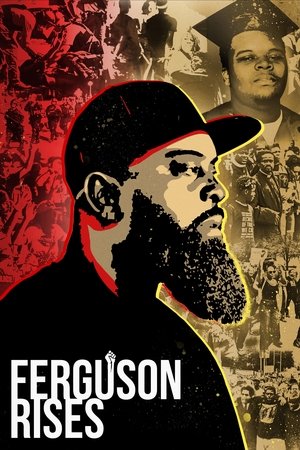
Before George Floyd, before Breonna Taylor, before America knew about Black Lives Matter, there was Michael Brown, Jr. On August 9th, 2014, in Ferguson, Missouri, a white police officer fatally shot an unarmed Brown. The community reacted in protest, anger, frustration, and fear. Six years later, a new story emerges - one filled with hope, love, and beauty.
This experimental short traces the lifespan of the graffiti and murals present at the occupation of NYC’s City Hall in June and July of 2020. The encampment formed to demand the abolishment of the NYPD and the reallocation of its resources to housing, education, and other social programs.
L'Avenir est ailleurs
Aimé Césaire, un Nègre fondamental
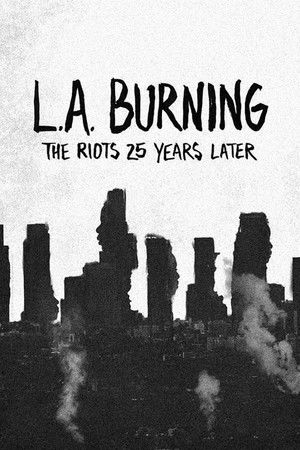
Documentary film exploring the lives of the people at the flashpoint of the LA riots, 25 years after the uprising made national headlines and highlighted the racial divide in America.
United States, September 1st, 2016. American football player Colin Kaepernick kneels during the national anthem, protesting police brutality against black people. Part of the population regards the gesture as an unacceptable affront to the flag. Later, he loses his place on his team. Today, however, he is considered by many as a true hero.
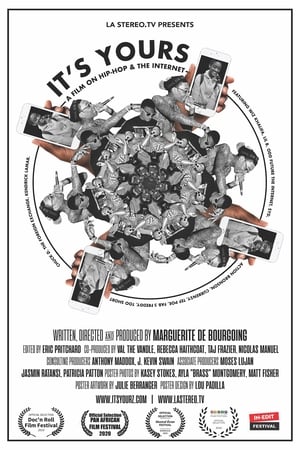
By the dawn of the 21st century, hip-hop sales had reached an all-time high, but one thing has remained the same. The doors were still locked, and the music industry held the keys. Young artists began to self-market on the Internet, ultimately helping to collapse the music industry as we knew it. It’s Yours explores how it became possible to become a rap star through a Twitter account, YouTube site or Myspace page. It tells this story through the unique perspectives of numerous artists, producers, record industry insiders, and music and cultural critics.
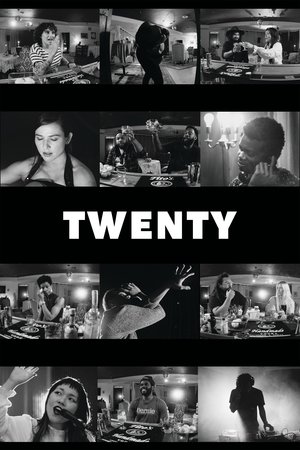
Set in a speakeasy in Atlanta, “Twenty” is a feature documentary about fifteen young people making it through 2020. The film is an observational time capsule that lays bare the raw reflections of a group of people surviving a year that will be seared into our generational memory.
Since August 2024, in Martinique, a popular protest movement against the high cost of living has been reemerging under the leadership of the RPPRAC (Rassemblement Pour La Protection Des Peuples Et Des Ressources Afro-Caribéens – Gathering for the Protection of Afro-Caribbean Peoples and Resources). On the island, food prices are on average 54% higher than in mainland France.* Through various cultural figures, the people of Martinique are expressing their anger and seeking concrete solutions. *Source: Kiprix, Price comparison between supermarkets in the French overseas territories and mainland France.
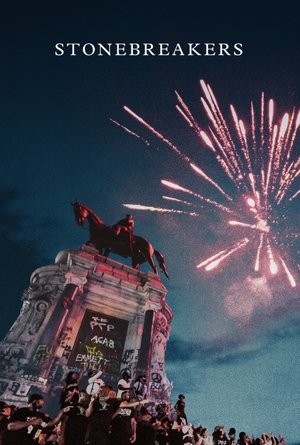
In a year of uprisings and political unrest, Stonebreakers documents the fights around monuments in the United States and explores the shifting landscapes of the nation's historical memory.
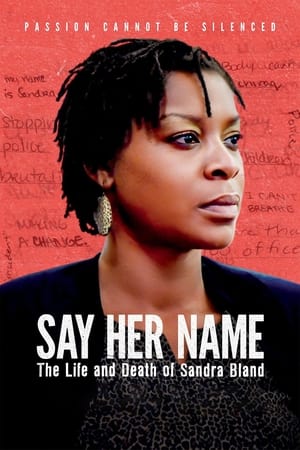
Sandra Bland was a bright, energetic activist whose life was cut short when a traffic stop resulted in a mysterious jail cell death just three days later.
The absolute queen of country music, Dolly Parton succeeded in rallying a fractured America to her peroxide-colored beehive and her self-assumed paradoxes. Portrait of an immense artist and an irresistibly mischievous icon.
Activists around the world fight injustice and drive social change in this documentary that follows their participation in the music video "Solidarité."
In July 2020, Rob Bliss, a young, white filmmaker, posted a video of what happened when he held up a ‘Black Lives Matter’ sign in Harrison, Arkansas, 'the most racist town in America'. It went viral, attracting 12 million views. What Bliss did next was remarkable. Over 1500 miles, two months and 25 miles a day, he set out to walk through the American South, wearing a Black Lives Matter t-shirt, and a sign that invited people to ‘come walk with me’. His goal was simple: to take the conversation Floyd’s murder had sparked about racism in American society into the places where it was most needed, yet most silent.
The March, also known as The March to Washington, is a 1964 documentary film by James Blue about the 1963 civil rights March on Washington. It was made for the Motion Picture Service unit of the United States Information Agency for use outside the United States – the 1948 Smith-Mundt Act prevented USIA films from being shown domestically without a special act of Congress. In 1990 Congress authorized these films to be shown in the U.S. twelve years after their initial release. In 2008, the film was selected for preservation in the United States National Film Registry by the Library of Congress as being "culturally, historically, or aesthetically significant". (Wikipedia)
A candid, authentic and provocative conversation about race, bias, and policing in America.
A documentary about police brutality that follows a DJ beat up by off duty DEA agents, a man arrested for filming a police officer, and many others as they fight for justice for their loved ones.