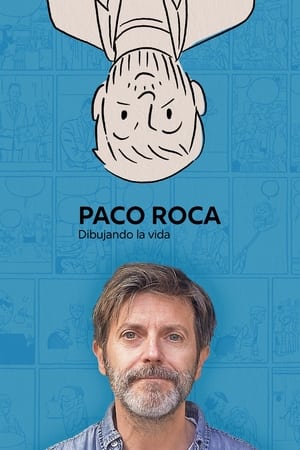
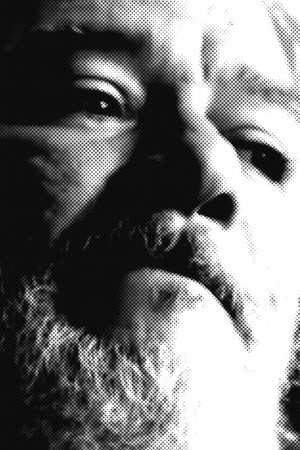
A portrait of Spanish comic book author Paco Plaza.
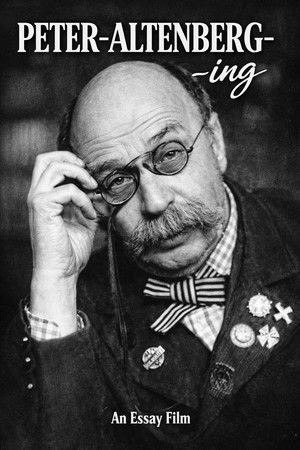
A playful and poetic film essay journey that revives Peter Altenberg, the eccentric Viennese modernist who turned café life into an art form.
For three years, Vincent Lindon recorded himself on his iPhone to document his insecurities, fears and fits of rage as if in a diary. Thierry Demaizière and Alban Teurlai use these unique recordings to paint an unusual portrait of the actor, who openly addresses personal questions about his profession, his age and his emotions.
Depicting the biography of a corrupt banker poses a cinematic dilemma. How can the intentions of an individual systematic contexts and historical eventualities be brought into harmony? Thomas Furhapters nearly one hour film Michael Berger Eine Hysterie turns this problem outward by not covering up the moment of speculation. The subject of the film, Austrian investment banker Michael Berger, who became a dollar millionaire through a risky hedge fund, remains a chimera an absent individual who also cannot be captured through his crime.
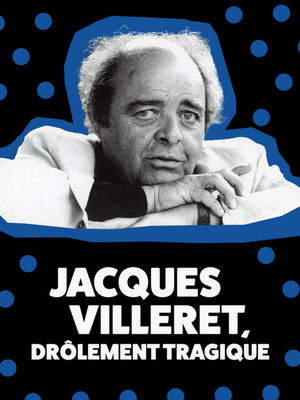
Jacques Villeret, drôlement tragique
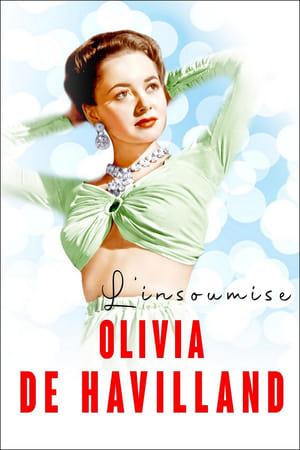
The legendary British-American actress Olivia de Havilland (1916-2020), who conquered Hollywood in the thirties, challenged the film industry when, in 1943, she took on the all-powerful producer Jack Warner in court, forever changing the ruthless working conditions that restricted the essential rights and freedom of artists.
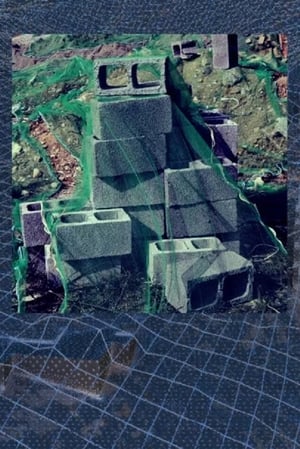
Video essay ‘Rock and Cliff' investigates the creation of Horn Town, a new model village and centre of large scale tourist development, and the experiences of rural residents moved there through government-led displacement. Horn Town is located in Wulong, a rural district near the Three Gorges Dam administered by the Chongqing municipality (a city of 30 million people). Narrated in the style of a science documentary but using local Chongqing dialect, the video brings a geological and topographical perspective to types of 'rocks' found in the area,from mythological stones from a mountain cliff, to ruins of the original settlement, to a stone sculpture from a dubious 'Land Art Biennial', in order to address issues of land acquisition, top-down development and spatial politic.
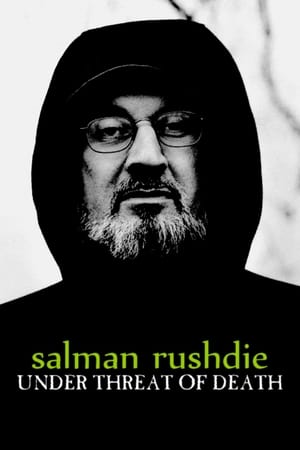
An intimate portrait, in his own words, of the Indian writer Salman Rushdie, author of The Satanic Verses (1988), thirty years after the fatwa uttered by the Iranian Ayatollah Khomeini: his youth in multicultural Bombay, his life in England, his many years of forced hiding, his thoughts on President Trump's United States of America.
A film essay in which multiple female characters, drawn from different films, slowly overlap and connect through a shared state of melancholy.
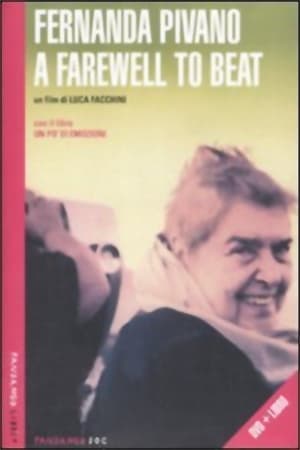
Fernanda Pivano: A Farewell to Beat
Documentary about the Venezuelan poet Armando Rojas Guardia.
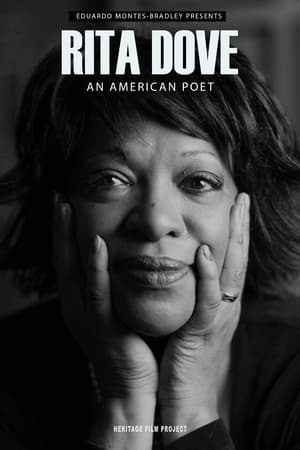
A series of in-depth conversations with Poet Laureate Rita Dove—conducted and recorded by Eduardo Montes-Bradley between September 2012, and October 2013. The film explores the poet's life, exposing fundamental facts of Dove's childhood and formative years growing up in Akron, Ohio in the 1950s and during the turbulent 1960s, supplemented by selections from hundreds of still images and several hours of home movies from the Dove family's collection.
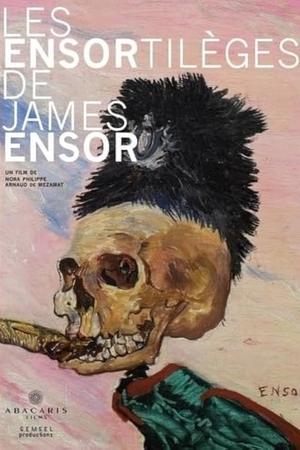
This film explains what James Ensor (1860-1949) meant for the development of art and makes palpable where he got his inspiration from.
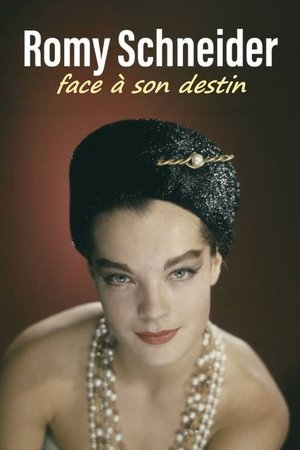
Romy Schneider, face à son destin
Follows the young people of Selma, Alabama's RATCo (Random Acts of Theatre Company) as they journey to New York City to share their story of hope, resilience, and overcoming.
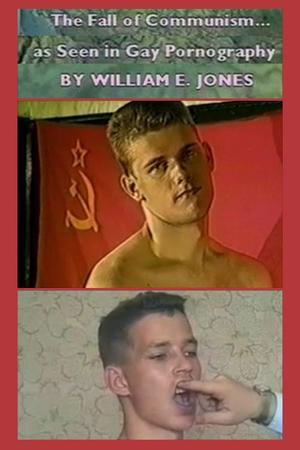
Every image in The Fall of Communism as Seen in Gay Pornography comes from gay erotic videos produced in Eastern Europe since the introduction of capitalism. The video provides a glimpse of young men responding to the pressures of an unfamiliar world, one in which money, power and sex are now connected.
When Danish filmmaker Lea Glob first portrayed Apolonia Sokol in 2009, she appeared to be leading a storybook life. The talented Apolonia was born in an underground theater in Paris and grew up in an artists’ community—the ultimate bohemian existence. In her 20s, she studied at the Beaux-Arts de Paris, one of the most prestigious art academies in Europe. Over the years, Lea Glob kept returning to film the charismatic Apolonia and a special bond developed between the two young women.
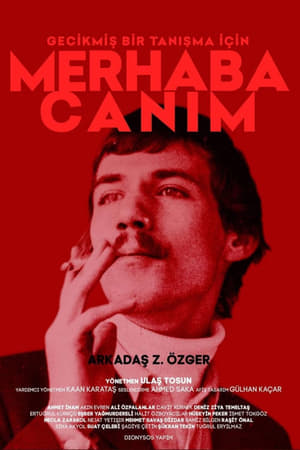
The documentary is titled after Arkadaş Z. Özger’s poem “Hello My Dear” which had caused much controversy in the period it was first published. Considered to be in defiance of heteronormativity, the said poem includes references to the poet’s personality, his family, his relationship to the society, and his “unexpected” death, which came three years after its publication. Today, 50 years after it was written, the documentary follows these same lines in the poem utilising cinematic elements. The documentary also rediscovers the poetics; reaches out to the family, the comrades, the friendships, departing from the official historical accounts, cognizant of his experience of otherness, in pursuit of the “lost” portrait of Arkadaş Z. Özger.
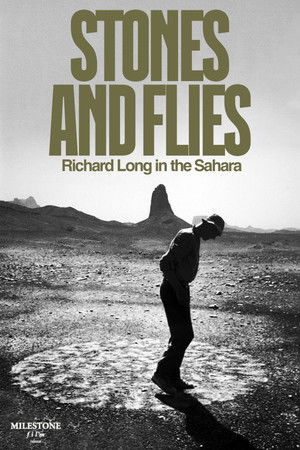
In the fall of 1987, Philippe Haas accompanied the sculptor Richard Long to the Algerian Sahara and filmed him tracing with his feet, or constructing with desert stones, simple geometric figures (straight lines, circles, spirals). In counterpoint to the images, Richard Long explains his approach. Since 1967, Richard Long (1945, Bristol), who belongs to the land art movement, has traveled the world on foot and installed, in places often inaccessible to the public, stones, sticks and driftwood found in situ. His ephemeral works are reproduced through photography. He thus made walking an art, and land art an aspiration of modern man for solitude in nature.
In an age of chaos, destruction, and decay, the resurrection of nature was the last ray of vitality and a testament to survival. The film ventures into the haunting remnants of humanity, the silent witness of its collective collapse, and the ethereal rebirth of nature in the absence of mankind. The intriguing scenes are experienced through an omnipresent and atemporal perspective.