A love letter that unites Brazil and Cuba. In the film Travessias, the director goes on a long journey seeking to understand the feelings and transformations of a person who is close to her. On this path of doubts and concerns, she meets Justin, a trans man who will help her on this journey. With a poetic and self-referential look, the director invites us to rethink our own prejudices and limits in relation to the others.
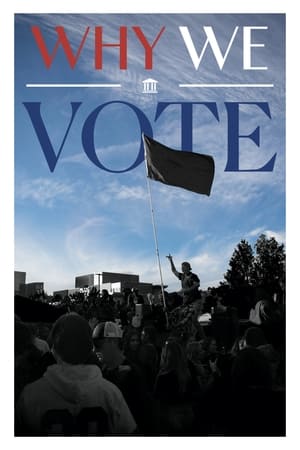
Student at the University of Nevada-Reno discuss voter efficacy and the division behind voting amidst the coming midterm elections.
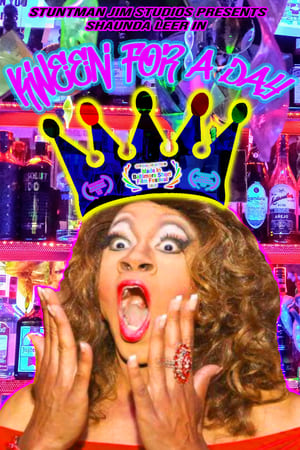
Baltimore-based drag queen Shaunda Leer (Scott Murdock) discusses why she's chosen to perform in drag for over ten years. She also recounts several stories about her family relationships and concerns about her physical safety as a member of the GLBTIQ community.
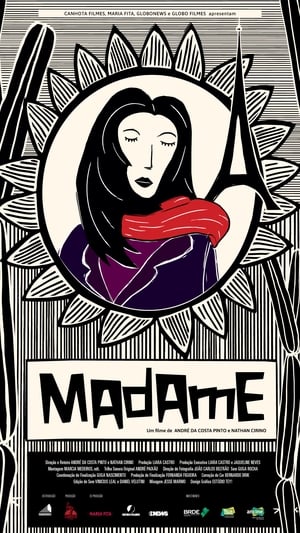
The documentary tells the story of Camille Cabral, Northeastern woman, transsexual, first Brazilian elected in France.
In 1980, the first march of gays, lesbians and transvestites took place in Brazil in protest against the constant police operations that took place in São Paulo, which aimed to repress these groups. Based on Renan Quinalha's doctoral thesis, “Against morality and good customs: the sexual politics of the Brazilian dictatorship (1964-1988)”, carried out by the Institute of International Relations, a series of four 5 minute videos about the birth of the LGBT movement during the Military Regime.
A mockumentary focused on an ESA at a college campus and her point of view about the students and their activities.
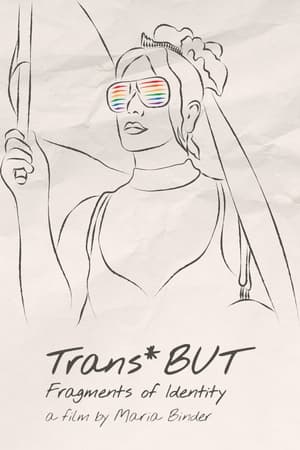
Fragmentary perspectives on Human Rights and transgender (trans*) People in Turkey. What remains at the place where a murder happened? What constitutes trans* life? How to cope with daily violence and hatred? We begin to search for traces. We follow the tracks of resistance and survival. We are collectors of the expelled. We gather fragments of trans* lives inspired by texts of Nazim Hikmet, Foucault, Benjamin and Zeki Müren. Trans*BUT is a documental research study driven by the question: “What keeps you going when all else falls away?”
A small bar in Sarajevo is a safe space for queer people.
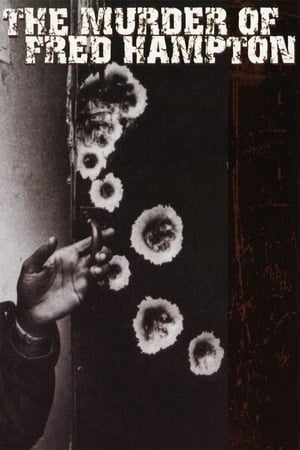
Fred Hampton was the leader of the Illinois Chapter of the Black Panther Party. This film depicts his brutal murder by the Chicago police and its subsequent investigation, but also documents his activities in organizing the Chapter, his public speeches, and the programs he founded for children during the last eighteen months of his life.
Biographical trans documentary film in which Iris Mozalar, a young artist, shares her diversity of being a bisexual transgender woman, the process of creating herself and her reflections against society.
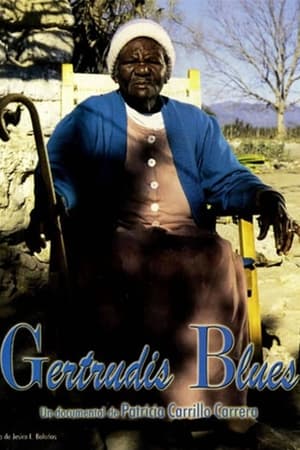
Gertrudis Blues
Family comes in many shapes and sizes. And this family are bound by the urge to make change. This film follows individuals from an international order of queer nuns as they live their lives, just a little larger than most. The Sisters of Perpetual Indulgence stand proudly across the globe as a beacon of self-acceptance and self-expression, but not everyone agrees with their message. The judgement they face may be challenging but their intentions are clear: to spread joy, end stigmatic guilt and do it all in a habit.
Gay Positive is the story of one man trying to bring to attention the outdated ban on gay men donating blood in the United States of America. This documentary is meant to inform and educate people on this controversial issue. A woman who recently received her nursing degree presents facts that could suggest that in order to keep our blood supply clean and abundant, we must update our current screening process for potential donors. By taking the camera to the streets, Gay Positive captures the opinions of people from many walks of life regarding how they feel about the ban today. One of the questions posed was, "If you were in need of a blood transfusion and the donor was healthy, would it concern you if this generous individual was a gay male?" Recent history proves that when tragedy strikes, donor centers are often in short supply and struggle to meet demand. The ban forces organizations such as The Red Cross to reject willing, disease-free, healthy individuals.
The documentary Nana is the portrait of a seventy-year-old trans woman who lives in Thessaloniki. The combination of narrative, observation and archival footage creates an image of her chequered past, as well as the hard everyday life a trans person faces in Greek reality.
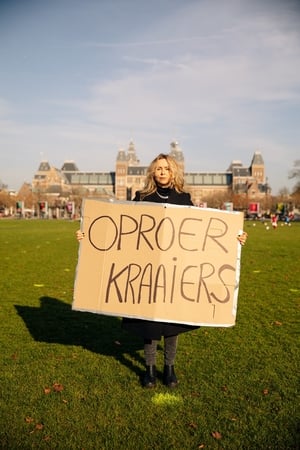
Oproerkraaiers
Examines the evolution of the Black Power Movement in US society from 1967 to 1975. It features footage of the movement shot by Swedish journalists in the United States during that period and includes the appearances of Angela Davis, Bobby Seale, Huey P. Newton, Eldridge Cleaver, and other activists, artists, and leaders central to the movement.
An African American activist travels across continents with Desmond Tutu to confront the limits of justice and discovers that the path to political and personal change begins with an unexpected plea: forgive.
Religious-based images and traditions permeate the lives of all the people who inhabit Seville. Historically, the city's mariquitas ("sissies") have also assimilated them in their childhood and, through them, have been creating their own encounter spaces and their own codes. Nowadays, new dissident identities continue to respond to them: they participate or distance themselves, they continue what exists or transform it. This film looks at these traditions from a perspective always relegated to the margins.
Rob Williams was an African-American living in Monroe, North Carolina in the 1950s and 1960s. Living with injustice and oppression, many African-Americans advocated a non-violent resistance. Williams took a different tack, urging the oppressed to take up arms. Williams was stripped of his rank as leader of the local NAACP chapter, but he continued to encourage local African-Americans to carry weapons as a means of self-defense. Wanted on a kidnapping charge, Williams and his wife fled to Cuba. His radio show Radio Free Dixie could be heard in some parts of the United States.
By the dawn of the 21st century, hip-hop sales had reached an all-time high, but one thing has remained the same. The doors were still locked, and the music industry held the keys. Young artists began to self-market on the Internet, ultimately helping to collapse the music industry as we knew it. It’s Yours explores how it became possible to become a rap star through a Twitter account, YouTube site or Myspace page. It tells this story through the unique perspectives of numerous artists, producers, record industry insiders, and music and cultural critics.