Stan Kenton and his Orchestra perform "This Love of Mine" with Cyd Charisse and other dancers
Les Brown and His Orchestra perform "My Lost Horizon" with Doris Day
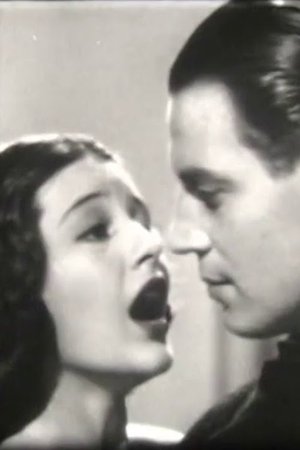
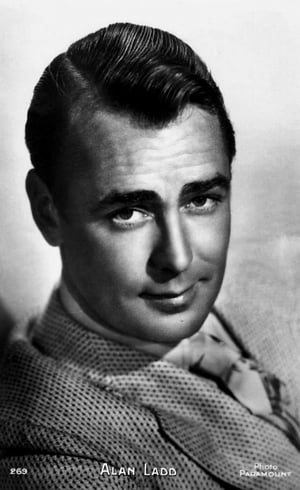
Alan Ladd was discovered by Sue Carol for his incredible voice in radio. And then she married him. In I Look At You, he is sweet and graceful. And at the very beginning of his career in film. He sings and leads Rita Rio's all-girl band while she dances around him.
A variety-style short built around the eccentric comedy and piano-playing of Al Trahan, featuring supporting performances from Yukona Cameron and Helen Hawley.
Henlere plays piano in the style of various “masters” and other instruments as a one-man band.
A lively, crowded tavern is the setting for this soundie where the title song is performed while the while couples are energetically dancing the polka.
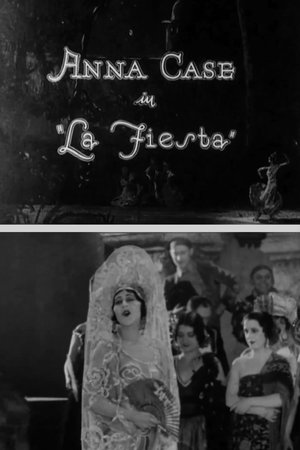
Anna Case sings a song while the Cansino family dances in the background.
Jack White serves as an energetic and highly vocal emcee and bandleader, rapid-firing jokes and enthusiastic commentary between songs. The group performs catchy musical numbers, including the tunes "Crazy for You" and "Mean to Me". The 10-minute short also highlights vocal performances by artists Mary Lee, Billy (or Billie) Lee, and Ruth Petty.
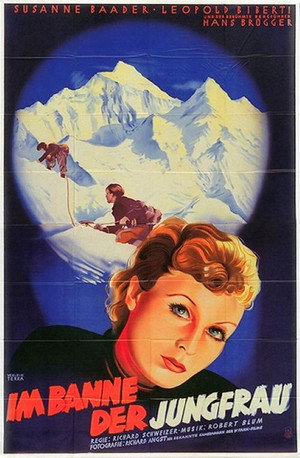
A mountain film set around the popular ski pass in the 1930s.
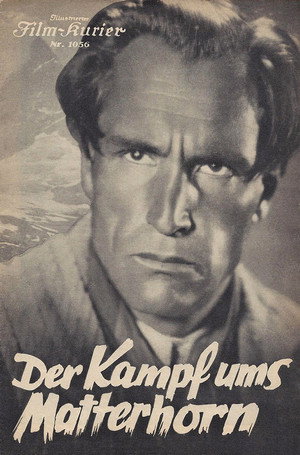
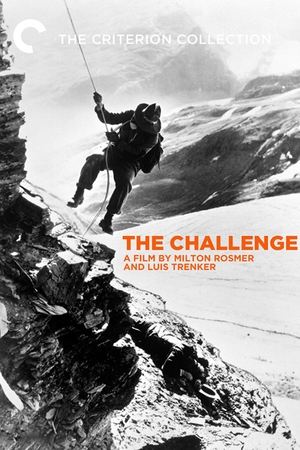
English-language, dubbed sound and partly re-edited version of Der Kampf ums Matterhorn. During an early, unsuccessful attempt at climbing the Matterhorn, Edward Whymper finds himself rescued by an italian guide, Jean Antoine Carrel. The two men quickly build a friendship and agree to reach the peak together. However, local villagers plot to divide the alliance of Whymper and Carrel and both men join rival teams as they set out in a race to conquer the mountain. A mountaineering drama based on the novel by Carl Haensel and inspired in the dramatic true story of Edward Whymper, who led the first successful ascent of the Matterhorn in 1865.
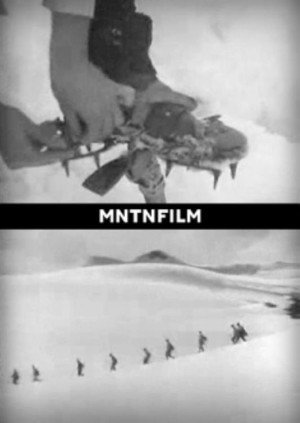
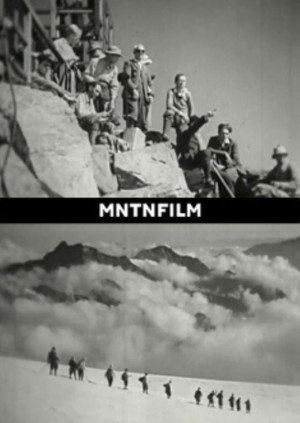
An alpine ascent around the snow-covered area of Monte Cevedale by a large group of mountaineers equipped with crampons and ice axes. The group departs from the old refuge 'Capanna Casati' and begin the climb through the glaciers. Finally, they camp on a rocky expanse. The film was produced in 1932 by the Instituto Nazionale Luce during the Italian Fascist regime.
An alpine ascent Monte Rosa glacier by a large group of mountaineers equipped with crampons and ice axes. The group ascends from the Gabiet lake to the Corno del Camoscio (3.024 meters) and up the Capanna Gnifetti hut at 3.647 meters. From there they continue the progression by the glacier up to the Capanna Regina Margherita hut at 4.559, the highest observatory in Europa at the time, from where they start the way back to the village of Gressoney. The film was produced in 1932 by the Instituto Nazionale Luce during the Italian Fascist regime.
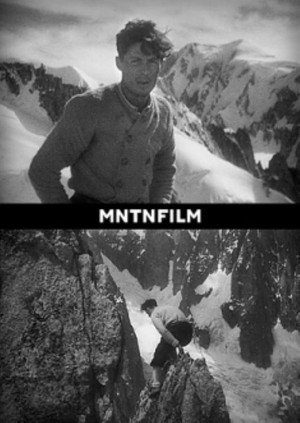
The idea is a simple one: three alpinists climb in the Mont Blanc Massif. This situation brings one face to face with the dangers of the mountain: avalanches, crevasses, fog, the climbing of the rocks, roping up, etc. All of this is magnified, transcended by a remarkable and strong use of the language of cinema. One of the first films about high mountains with Roger Frison-Roche and magnificent music by Maurice Jaubert
Sounded version of the 1928 film 'Der Kampf ums Matterhorn'. The added sound track included music composed by Schmidt-Boelckeb and dubbed dialogs by different actors. This version is slightly shorter than the silent film due to the disappearance of the movie titles. The story, based on the novel by Carl Haensel recreates the struggle between Edward Whymper and Jean-Antoine Carrel for the first successful ascent of the Matterhorn in 1865. In 1938 two new versions of the movie were filmed under the direction of Luis Trenker, who acted again in the role of Carrel. One version was shot in German (Der Berg ruft) and the other in English (The Challenge).
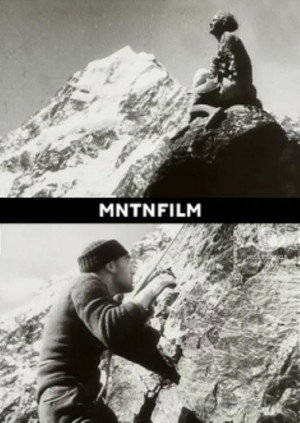
Along New Zealand’s South Islands runs the mighty chain of the Southern Alps, where large and beautiful glaciers and Ice-falls abound among the towering peaks... That's how the film presents different leisure activities in the Southern Alps of New Zealand, and more specifically around the Hermitage Hotel. Activities include snow activities like snowball fights, dog sledding, ski lessons, and hunting of European chamois; and summer activities like golf practice in front of the hotel, rock climbing, and sight-seeing trips and picnic outings amid scenery of outstanding beauty.
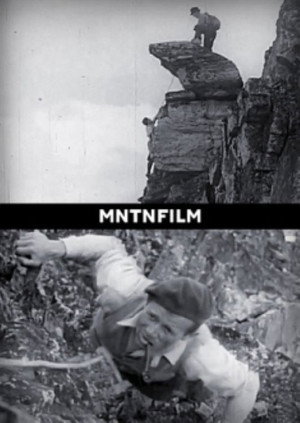
Sound version of the silent picture 'Climbing Mount Tupper.' William J. Oliver filmed the ascent of Mount Tupper in the Glacier National Park by the famous Swiss mountain guide Edward Feuz accompanied by his daughter and another man. The party of three climb roped up to a height of 7000 feet.From there, the two men continue without the women to face the final part of the climb, 'a naked shaft of rock rising sheer and high'. The two men finally reach the summit and later, on the descent, they meet the woman, who is waiting for them. The film was produced by the National Parks of Canada to promote tourism travel to the Canadian Rockies.
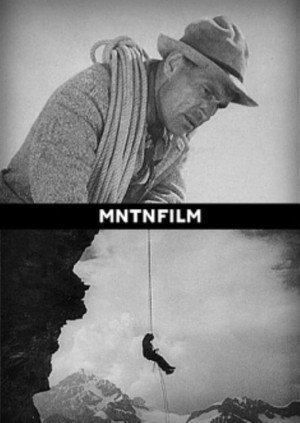
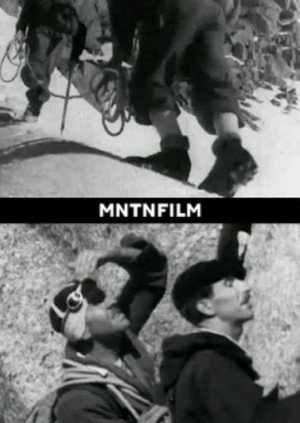
The ascent of the Aiguille Verte in the Mont Blanc Massif by the ridge of the Moine. Two climbers, the mountain, and the rope. No plot, no tragedy, but the lives of the two protagonists during the hours they are struggling. A film produced by the Comité de l'Expédition Française à l'Himalaya and made by Samivel and Marcel Ichac to test the film material destined to a future expedition in the Himalayas (the 1936 French expedition to Hidden Peak in the Karakorum). It is also an opportunity to show the beauty of the mountain at different moments of the day, the ascent of climbers roped, and the techniques and dangers of mountain climbing.
During an early, unsuccessful attempt at climbing the Matterhorn, Edward Whymper finds himself rescued by an italian guide, Jean Antoine Carrel. The two men quickly build a friendship and agree to reach the peak together. However, local villagers ploto to divide the alliance of Whymper and Carrel and both men join rival teams as they set out in a race to conquer the mountain. A mountaineering drama based on the novel by Carl Haensel and inspired in the dramatic true story of Edward Whymper, who led the first successful ascent of the Matterhorn in 1865. There is another version of the film titled Der Berg Ruft, shot the same year in German.
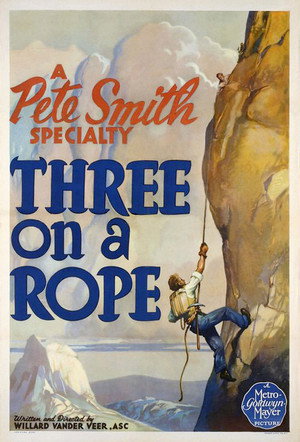
This short looks at the sport of rock climbing. A team of three men ascend a rock wall on Southern California's Tahquitz Rock (also known as Lily Rock) above Idyllwild. The various climbing techniques are explained, as well as the dangers one encounters in this sport. We also see the team rappel from the summit. A second team, used for comic relief, has nothing but problems.
Hermann Perren, mountain guide, prepares the ascent of Dent du Requin with a companion. He checks the equipment necessary for any mountaineer, rope, ice axe, glasses, double socks and iron shoes. They leave Chamonix, cross the Mer de Glace and arrive at the Requin Refuge. The next morning, Perren and his companion cross the glacier and encounter huge crevasses and seracs, which slow their progress. They cautiously cross a snow bridge and bivouac a few hours later. The climb is more and more difficult. They reach the Requin shoulder and have to climb the vertical wall to the summit. Shortened and sounded version of the original 1927 film by René Moreau.