This is Poe and Král's first effort, shot on small-gauge stock, before their more well-known endeavor The Blank Generation (1976) came to be. A "DIY" portrait of the New York music scene, the film is a patchwork of footage of numerous rock acts performing live, at venues like Madison Square Garden, Radio City Music Hall, the dive bars of Greenwich Village and, of course, CBGB.
Bas Jan Ader rides his bike into a canal in Amsterdam.
Johan van der Keuken went against the grain in 1980: from Amsterdam (on April 30 with the coronation riots and squatting actions) via Paris, southern France and Italy to Egypt. He made his personal travelogue in three parts for VPRO television. Later, he fused the three parts into one long movie.
In the late 1990s, some officers at Vancouver Police Department made a documentary film (THROUGH A BLUE LENS) about the everyday lives of six drug addicts in Vancouver's skid row, the Downtown Eastside. TEARS FOR APRIL reintroduces us to these six people; with footage shot over a period of nearly ten years, it continues their biography.
It's a sensitive, moving doc chronicling the life of Tétrault's brother Philip , a Montreal poet, musician and diagnosed paranoid schizophrenic. A promising athlete as a child, Philip began experiencing mood swings in his early 20s. His extended family, including his daughter, share their conflicted feelings love, guilt, shame, anger with the camera. They want to make sure he's safe, but how much can they take?
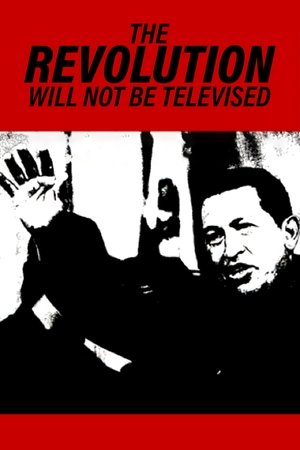
Hugo Chavez was a colourful, unpredictable folk hero who was beloved by his nation’s working class. He was elected president of Venezuela in 1998, and proved to be a tough, quixotic opponent to the power structure that wanted to depose him. When he was forcibly removed from office on 11 April 2002, two independent filmmakers were inside the presidential palace.
John and Yoko in the presidential suite at the Hilton Amsterdam, which they had decorated with hand-drawn signs above their bed reading "Bed Peace." They invited the global press into their room to discuss peace for 12 hours every day.
Pak Mokum Terug is the name of a group of Amsterdam activists that refuse to accept that the basic right to housing no longer appears to apply. The group’s name means “Take Back Amsterdam,” Mokum being the traditional nickname for a capital city in which today, for more and more people, a home is becoming unaffordable. Against this background, Hotel Mokum reports on the squatting of a dilapidated hotel in the city center, narrated in the voice of a fictitious activist.
The city from the unique perspective of the many wild animals and plants that inhabit it. Seen through the eyes of the adventurous urban cat, Abatutu.
The dutchified Hungarian Joszef Katús returns, after a months-long absence, to Amsterdam on 29 April 1966. The arrival of the Provos changed a great deal in the Dutch capital. The film follows Katús, mostly roaming the streets, in a loose documentary style. The events are set against the backdrop of four national occasions - The Queen's Birthday, Labour Day, Liberation Day and Remembrance Day.
Nocturnal life in the partly deserted dock area of Amsterdam. Director Marjoleine Boonstra encounters lone wolves, leading secluded lives in makeshift shelters, and people that work as pilots, night watchmen or skippers. According to a young pilot `it was actually like a dream', working by the IJ river at night. And this is what it looks like: a dream world. Between interviews, Boonstra makes her camera glide through the area, along the quay, across the water, along cranes, containers and sea-going vessels. A world of lamps, reflections and shadows. In this landscape of stone and metal, an extraordinary group of individuals lives and works. For example, an English woman cleans up a submarine for a party, a refugee from former Yugoslavia has created a place for himself and a night watchman has to `see to it that that boat stays where it is'. Peaceful music emphasises the relative quiet, in which the interviewees reflect on their lives and the harbour.
The film follows a simple structure, and shows the drug-related degradation of five youths (Jake, Tracey, Jessica, Alice, Oreo) during the course of three years. The film depicts drug-related crimes and diseases: prostitution, male prostitution, AIDS, and lethal overdoses.
Two heroin-addicted couples lead hard and stressful lives on the streets of New York.
In 1975, Chicago filmmakers Flaxman and Goldman got carte blanche to film the shooting of a local film called THE LAST AFFAIR. Neither AFFAIR's director (who envisioned the film as "a combination of Fellini and Bergman") nor its cast (which included then-unknowns Betty Thomas and Ron Dean) had ever worked in the industry before. Made in the classic cinema-verité style of Drew and Leacock, A LABOR OF LOVE is a revealing and often hilarious exposé of the hidden side of adult film: onscreen partners despise each other offscreen, male performers can't "get wood," an actress has her period, Ivory Liquid is substituted for semen, and the director declares, "I really dislike every minute of this!" (Gene Siskel Film Center)
Sigrid Koetse, award-winning actor and grande dame of Dutch theater, lived most of her life in the public eye and was always surrounded by a crowd of admirers. With this short documentary, filmmaker Wytse Koetse shows how his aunt spends her days nowadays, lonely in her Amsterdam home.
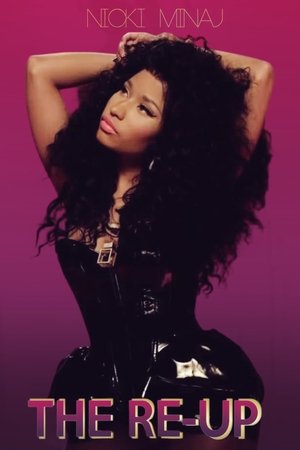
A backstage and on-stage look at Nicki Minaj's career during the Pink Friday Tour, festivals, and more.
A documentary about actor/director Dennis Hopper, showing him at his home and studio putting together his film "The Last Movie."
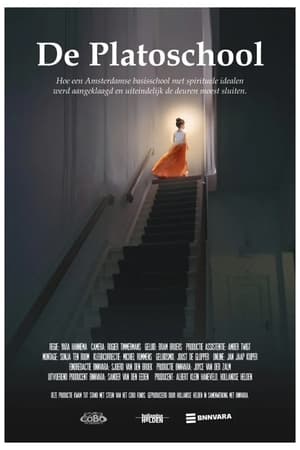
The Platoschool was founded in Amsterdam in 1983, a primary school for parents who wanted more than just math and language for their children. The founders of the Platoschool had great ideals, ideals that the parents of documentary maker Yara Hannema fell in love with. The children would grow into special people with a high level of consciousness, but the teachers ran wild in their strictness and discipline. There was beating and abuse of authority. The school was discredited and had to close its doors in 2002.
A fictional documentary that portrays the city of Dakar, Senegal, as we hear the conversation between a Senegalese man (the director, Djibril Diop Mambéty) and a French woman, Inge Hirschnitz. As we travel through the city in a picturesque horse drawn wagon, we chaotically rush into this and that popular neighborhood of the capital, discovering contrast after contrast: A small African community waiting at the Church's door, Muslims praying on the sidewalk, the Rococo architecture of the Government buildings, the modest stores of the craftsmen near the main market.
When filmmaker Mari Soppela took her children and husband to live for a year on a sacred mountain in her native Finland, she was fulfilling a lifelong dream to share the arctic wilderness of her childhood with her family. But when years later her children turn the camera onto her, she is forced to confront her motivation for filming their lives in this searching and searingly honest cinematic exploration of identity, belonging and motherhood. Filmed over the course of 27 years, Mother Land challenges us all to examine the landscapes we carry within us and the narratives we create to make sense of our lives.