Shut Up and Sing is a documentary about the country band from Texas called the Dixie Chicks and how one tiny comment against President Bush dropped their number one hit off the charts and caused fans to hate them, destroy their CD’s, and protest at their concerts. A film about freedom of speech gone out of control and the three girls lives that were forever changed by a small anti-Bush comment
An unconventional portrait of painter Frida Kahlo and photographer Tina Modotti. Simple in style but complex in its analysis, it explores the divergent themes and styles of two contemporary and radical women artists working in the upheaval of the aftermath of the Mexican Revolution.
Documentary about feminism in music and the challenges it has faced through the years from the '70s to present day.
TOMBOY explores the obstacles that young girls encounter on the recreational stage, the stereotypes, language issues and cultural disparities that follow, and ultimately the insufficient media coverage and compensation that afflicts elite professional athletes seeking full recognition for their talents. The journey of the female athlete is often discouraging, and despite progress achieved during the Title IX era, gender equity in athletics has a long way to go.
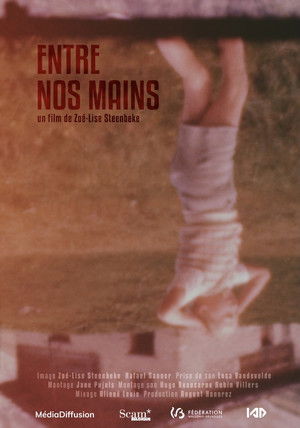
“I ask my mother about her past feminist commitment, and why she made a child on her own. She doesn’t answer me. I want to pierce the mystery of my mother. I discover the women’s movement of the 1970s, an activist feminist cinema, and the woman filmmaker that I am changes. I meet and testify to the transmission of a memory of feminist struggles through collective cinematographic practices.” Anna Salzberg
Told by her daughter Wendy, MINK! chronicles the remarkable Patsy Takemoto Mink, a Japanese American from Hawai'i who became the first woman of color elected to the U.S. Congress, on her harrowing mission to co-author and defend Title IX, the law that transformed athletics for generations in America for girls and women.
This fascinating political look at a little-known chapter in women's history tells the story of "Jane", the Chicago-based women's health group who performed nearly 12,000 safe illegal abortions between 1969 and 1973 with no formal medical training. As Jane members describe finding feminism and clients describe finding Jane, archival footage and recreations mingle to depict how the repression of the early sixties and social movements of the late sixties influenced this unique group. Both vital knowledge and meditation on the process of empowerment, Jane: An Abortion Service showcases the importance of preserving women's knowledge in the face of revisionist history. JANE: AN ABORTION SERVICE was funded by the Independent Television Service (ITVS) with funds provided by the Corporation for Public Broadcasting.
The Feminist Library: A Short Film was made in support of the Save the Feminist Library Campaign, documenting a crucial moment in the library's herstory as it fights for its very survival. Shortlisted for the Women's History Network Community Prize, the film revisits the story of the library's inception and emphasises why feminism remains essential today.
Interviews and performance footage are used to provide an overview of the women's music scene.
Les Champs de la colère
Two Filipina victims of sexual abuse search the truth behind the finding of a renowned anthropologist: that merely a few generations ago, the Bontok Igorot lived in what seems an unthinkable utopia—a rape-less society.
Since the cult success of Merci Patron!, activist/journalist/filmmaker François Ruffin has become an MP. Here, he attempts to table a law aimed at upholding the rights of what in Quebec are known as caregivers, and shows us in passing how a law whose need seems patently obvious is put together, debated, voted on and . . . dies on the battleground of French politics. A stirring documentary about social injustice that somehow manages to make us bust a gut laughing as we rage with indignation. And also cry at the beauty of it all, thanks to the director’s humanist sensibility and a deft play between reality and fiction.
A group of young women from Ouagadougou study at a girl school to become auto mechanics. The classmates become their port of safety, joy and sisterhood, all while they are going through the life changing transition into becoming adults in a country boiling with political changes. In a country with youth unemployment at 52 percent, jobs are a hot issue. The young girls at a mechanics school in Burkina Faso’s capital Ouagadougou are right in the middle of a crucial point in life when their dreams, hopes and courage are confronted with opinions, fears and society’s expectations of what a woman should be. Using interesting narrative solutions, Theresa Traore Dahlberg depicts their last school years and at the same time succeeds in showing the country’s violent past and present. This is a feature-film debut and coming-of-age film with much warmth, laughs, heartbreak and depth.
A Nepali mountaineer risks everything on a record-breaking Mount Everest climb to secure a brighter future for her daughters.
Of Maine’s more than 5000 commercial lobstermen only 4% are female. The Captain celebrates that fearless minority through the lens of Sadie Samuels. At 27 years old, she is the youngest and only female lobster boat captain in the Rockport, Maine harbor. Despite the long hours and manual labor of hauling traps, Samuels is in love — obsessed even — with what she calls the most beautiful, magical place on the planet. Her love for lobster fishing was imparted early in her childhood by her dad Matt, who has been her mentor and inspiration since she was a little girl in yellow fishing boots.
The 1920s saw a revolution in technology, the advent of the recording industry, that created the first class of African-American women to sing their way to fame and fortune. Blues divas such as Bessie Smith, Ma Rainey, and Alberta Hunter created and promoted a working-class vision of blues life that provided an alternative to the Victorian gentility of middle-class manners. In their lives and music, blues women presented themselves as strong, independent women who lived hard lives and were unapologetic about their unconventional choices in clothes, recreational activities, and bed partners. Blues singers disseminated a Black feminism that celebrated emotional resilience and sexual pleasure, no matter the source.
Huiju learned of her biopsy test results, but lied to her mum about them. Feeling guilty about the lie, she embarks on her journey to find cancer patients who have the same diagnosis as hers and learns about their experiences. After hearing their stories, she finds the courage to tell the truth to her mum.
Norman Mailer and a panel of feminists — Jacqueline Ceballos, Germaine Greer, Jill Johnston, and Diana Trilling — debate the issue of Women's Liberation.
Two actresses take us through a series of 'raps' and sketches about what it means to be beautiful and black.
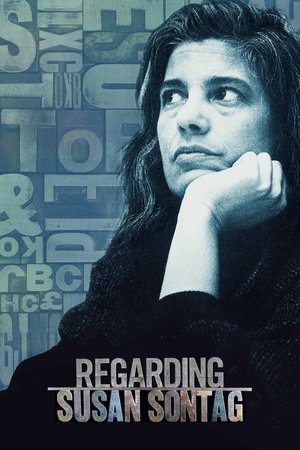
An intimate study of one of the most influential and provocative thinkers of the 20th century tracking feminist icon Susan Sontag’s seminal, life-changing moments through archival materials, accounts from friends, family, colleagues, and lovers, as well as her own words, as read by Patricia Clarkson.