Huntingdon Mayor Stéphane Gendron wants to encourage immigration to save his town, which has been struggling ever since large-scale factory closures some years ago. Mayor Gendron’s project is a way in to a discussion about immigration and social and economic integration.
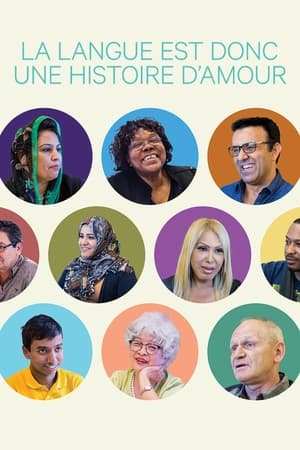
La langue est donc une histoire d'amour
A moving portrait of traditional Finnish American culture in the Upper Peninsula of Michigan, highlighting that fragile community of memory connecting ourselves with parents and grandparents. It uses the “biographical model” of folklore filmmaking to tell the story of Erikki Vourenmaa, a 92-year-old Finnish immigrant, and his family living near Ironwood, Michigan. This three-generation farm family works, celebrates, reflects, and grieves together. The film explores the meaning of family, ethnic history, aging and intergenerational bonds. It contrasts between the immigrant elder, his American-born son and the partially assimilated grandchildren to illustrate change and continuity in the "sauna belt" of the Lake Superior Region. As Dr. Sharon Sherman concluded, “Loukinen’s focus on the bonds between generations will strike emotional chords about family relationships and ethnic identity for numerous cultural groups.”
Author Ayn Rand becomes involved with a much younger and married man, to the dismay of those close to her.
In post-World War I Winnipeg, a Ukrainian immigrant and a Jewish woman get caught up in a labour strike.
A Europa é um Jardim
Beijing-Hochelag
Artistic director of the National Theater Eric de Vroedt writes and directs a performance about his own mother Winnie, who passed away in 2020. This piece, titled The Century of My Mother, is a family story about the migration from the Dutch East Indies to the Netherlands. It is De Vroedt's way of examining the relationship with his mother and not having to say goodbye to her yet: 'I can let her live on stage, but when the curtain falls, when the play is completely finished, then she is really dead'.
OCUPAÇÃO DOS IMIGRANTES: JEAN-JAQUES DESSALINES
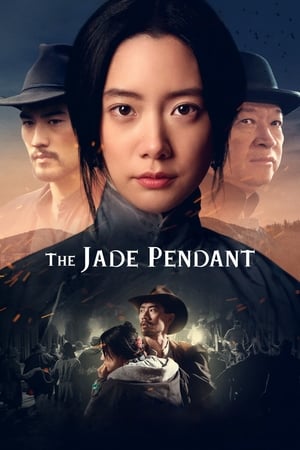
Fleeing an arranged marriage in China, the independent Peony signs a contract to work as a “flower girl” in America, where she meets Tom, an American Born Chinese cook whose father works on the Transcontinental Railroad. Thwarted by a Hong Kong Triad boss seeking to extend his power into America, theirs is the tale of the first great Chinese immigration to the United States – a story of romance, bigotry, passion, food and a search for everlasting love – set against the largest mass lynching in American history, in Los Angeles’ Chinatown, in 1871.
Co-directed by acclaimed cinematographer Ellen Kuras and subject Thavisouk Phrasavath, this haunting documentary chronicles a refugee family’s epic journey from Laos in the aftermath of the secret war waged by the United States there to New York, where they find themselves fighting a different kind of war on the streets of Brooklyn. Filmed over the course of 23 years, THE BETRAYAL is a visually and emotionally stunning look at the complex ways in which the political shapes the personal.
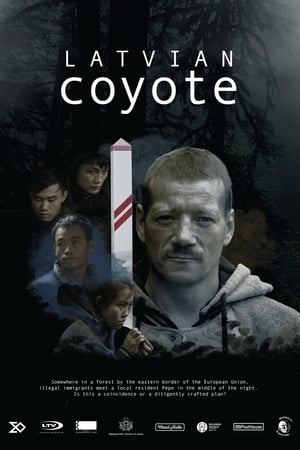
An absurd game of “finding happiness” is being played by local Latvian coyotes* and illegal immigrants on the Russian and the European Union border. It is a game with no winner – all participants are driven to play by the sense of despair. While one side leaves home and undertakes a perilous journey to the other side of the globe, hoping to spend the rest of their lives in a free country, the other side risks their freedom to earn a chance to stay right where they are, in their homeland. *coyote – someone who smuggles illegal immigrants
Documentary that shows the changing attitude towards immigrant labor in The Netherlands. The documentary follows three immigrants that arrived in Holland 30 years ago to work in a bakery.
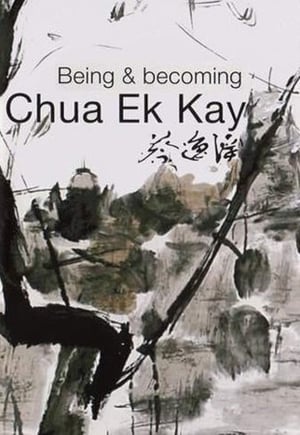
The film offers exclusive and intimate insights into how and why the classically trained artist risked rejection to revolutionize the traditional Chinese ink art form in Singapore.
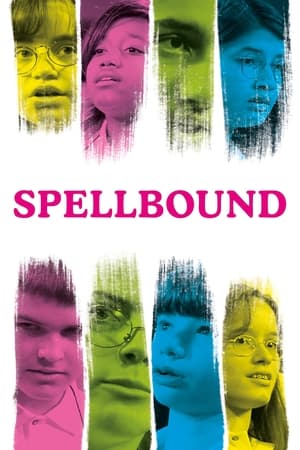
This documentary follows 8 teens and pre-teens as they work their way toward the finals of the Scripps Howard national spelling bee championship in Washington D.C.
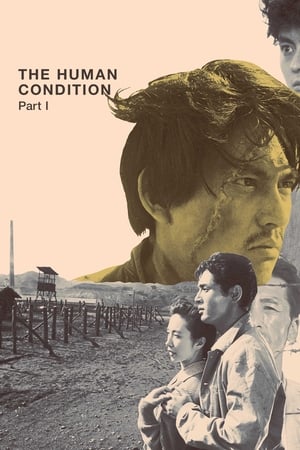
Jamie Graham, a privileged English boy, is living in Shanghai when the Japanese invade and force all foreigners into prison camps. Jamie is captured with an American sailor, who looks out for him while they are in the camp together. Even though he is separated from his parents and in a hostile environment, Jamie maintains his dignity and youthful spirit, providing a beacon of hope for the others held captive with him.
The Boston Pops performs Ragtime: The Symphonic Concert, prepared by the original creators Terrence McNally, Lynn Ahrens, and Stephen Flaherty especially for the Pops. Based on the 1975 novel by E.L. Doctorow, Ragtime weaves together the stories of three intersecting groups in the U.S. in the early 20th century: Eastern European immigrants, the African American community in Harlem, and an upper-class white family. Together, they confront history's timeless tensions of wealth and poverty, freedom and prejudice, hope and despair.
A documentary exploring the experiences and attitudes of Indian and Pakistani taxi drivers in New York City while also questioning the filmmaker's relationship to these South Asian immigrants and to his mixed-race heritage.
After the near death of her grandfather, Chinese Canadian filmmaker Michelle Wong embarks on a personal journey back home to her small town of St. Paul, Alberta to speak to her grandparents about their journey from China to Canada.
In 804 AD, Kūkai traveled to Tang China with the Japanese diplomatic mission to study under Master Huiguo, the seventh patriarch of Tang Esoteric Buddhism. After returning to Japan, his knowledge and practices went on to influence religion, literature, calligraphy, architecture, and education, shaping religious practice, artistic tradition, and intellectual life across East Asia for more than 1,250 years. Rooted in rigorous historical research, location-based storytelling, documentary techniques, cinematic reconstruction, and CG technology, the film recreates Kūkai’s world and revisits the Tang-era cultural exchange that transmitted ideas, philosophy, and spiritual traditions across East Asia. Through Kūkai’s journey, the documentary explores enduring themes of faith, learning, compassion, and cultural exchange, inviting timely conversations on ethical leadership, education, mental well-being, and intercultural dialogue in today’s increasingly interconnected world.