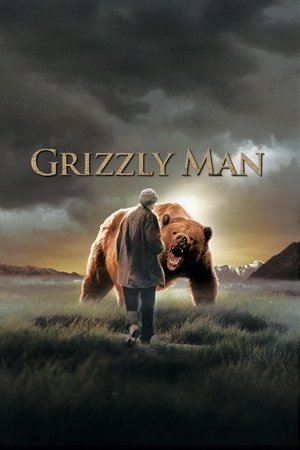
Follows the story of "Grizzly Man" Timothy Treadwell and what the thirteen summers in a National Park in Alaska were like in his attempt to protect the grizzly bears. The film is full of unique images and a look into the spirit of a man who sacrificed himself for nature.
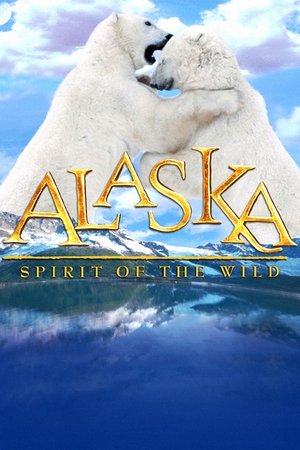
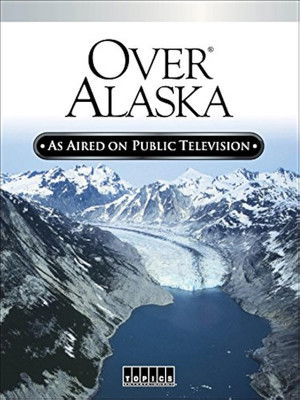
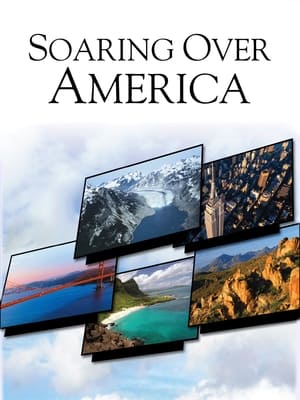
Travel to Alaska's great wilderness, a place of incomparable beauty and power where you will witness close-up the amazing cycles of life in one of the last pristine corners of our planet Earth. Soar over Mt. McKinley, the tallest people in North America, crown jewel of the vast Alaska range, piercing clouds nearly four miles high. Explore the vibrant territory beneath this stunningly beautiful mountain. Watch caribou roam the plains, listen to the haunting howl of the wolf, witness the flight of the majestic golden eagle, meet a mother grizzly and her two cubs as they emerge from winter's hibernation. You'll be swept up in the drama and beauty of this unique wilderness and you'll enjoy for many years to come its unforgettable scenery.
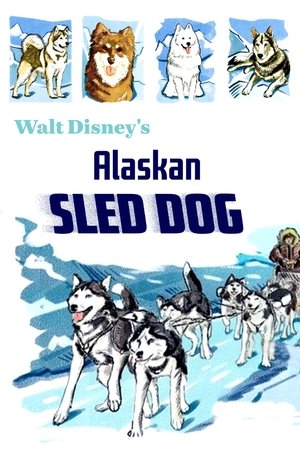
The story of an Eskimo father and son who train and groom a sled dog team. When the father is lost on an ice floe, the son takes the unproven team on the search, and succeeds in finding his father.
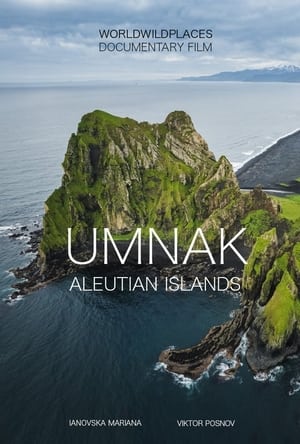
Explorers and amateur directors Mariana Ianovska and Viktor Posnov embark on a 40 day long trip across Umnak Island.
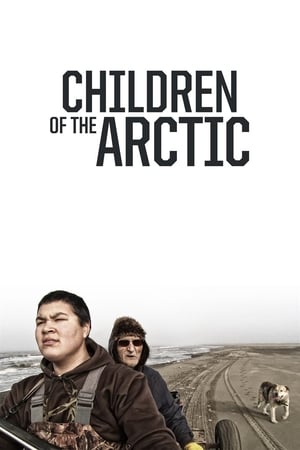
Children of the Arctic is a portrait of five Native Alaskan teenagers growing up in Barrow - the northernmost community in the United States. As their climate and culture undergo profound changes, they strive to balance being modern American kids and the inheritors of an endangered way of life.
Alex Gray, Josh Mulcoy, and Pete Devries went on a journey through the remote Aleutian Arc of Alaska, the birthplace of storm systems that send swell back to the rest of us in civilization. They braved heavy weather, flew on rickety prop planes, and ate seal meat en route to discovering one of the best cold-water slabs in the world. The film follows the cold-water crew as they traverse the island on quad bikes, tracking pulses of swell to remote bays and never before surfed points. Set against the stunning volcanic backdrop of the Aleutian Islands, The Cradle of Storms is cold-water surf exploration at its finest.
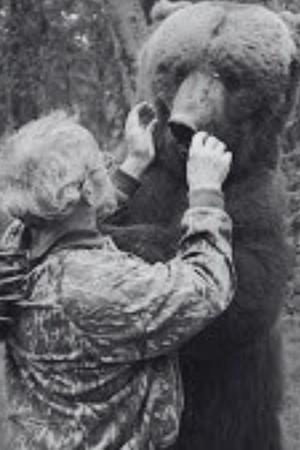
A man shows the gentle and agressive side of Brown and Black Bears living with and around them. After "Grizzly Man" died in Alaska trying to do the same thing, it's truly amazing to watch this documentary.
Drømmefiskeri i Alaska
After a devastating fire ravages a milking parlor, a family and its community rally together. This short documentary showcases a journey of resilience, as a family farm rises from the ashes into a new era of cutting-edge robotic technology. The film explores the innovation in modern agriculture, shedding light on the strength of farming communities and the power of perseverance in the face of adversity.
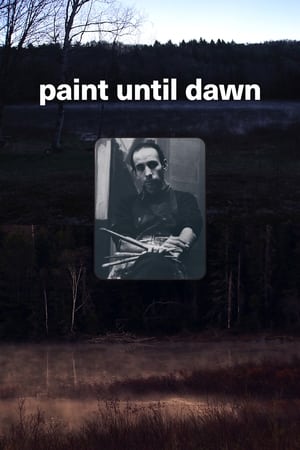
Seeing is to painting what listening is to politics. Survival as an artist demands both. Paint Until Dawn is a documentary on art in the life of James Gahagan (1927-1999), who painted all night to push the limits of vision. His life and thought reveal a correlation between art and activism through an interesting angle: the creative process itself.
Deep inside the arctic, scientists are experimenting with extreme palaeontology methods to unlock the secrets of polar dinosaurs, and perhaps the key to our own survival on Earth. On Alaska's north slope there are dinosaur bones, lots of them. But they're trapped in an icy tomb - an impenetrable wall of permafrost. Dinosaurs on Ice follows the journey of two scientists, Dr Tom Rich and Dr Tony Fiorillo, who undertake separate expeditions to the Colville River in Alaska's far north to uncover the dinosaurs' bones and break the ice on a prehistoric world that until now has been unreachable. But the task is not easy. The weather is extreme, the location remote.
The documentary follows a crew of snowboarders for six weeks in the Chugach mountains, and showcases what it takes to ride these unique Alaskan mountains: the waiting, the stress, the dangers, everything that goes into it and is usually never shown. It also retraces some of the history of this unknown discipline and pays tribute to the pioneers. But the film really focuses on the human aspect and why these people do what they do.
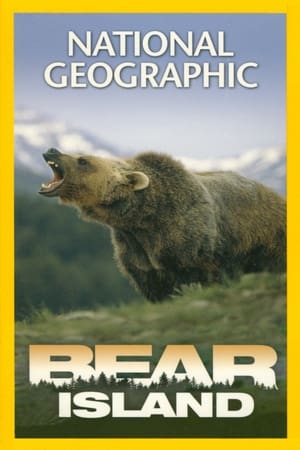
The majestic Alaskan brown bear is the largest predator in southeastern Alaska, but everywhere, its ancient haunts are under siege. As the modern world closes in, the great bear’s world is shrinking and encounters between humans and bears are on the rise. Join researcher LaVern Beier as he uses cutting edge technology to protect this extraordinary species. To observe them on their turf, without risking life and limb, LaVern attempts to deploy National Geographic’s CRITTERCAM. Until now, CRITTERCAM has been used almost exclusively on marine animals. Vern and his colleagues are on the cusp of a revolution in terrestrial field science…the opportunity to vicariously walk with bears into the deepest corners of their habitats, where even great hunters barely dare venture.
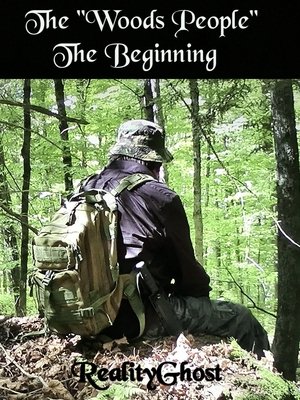
Rick Dakotah investigates the "Woods People" of Vermont. "I have spent many years in some forest or another. I feel the best when I am out and about. Nature to me is "Love". I feel as though life is fair and one can get respect by respecting the other creatures of the forest. I stumbled into this research while filming my adventures. The "Woods People" are what I call them...Bigfoot to White Hairy Beings, UFO's, and more..."
Rick Dakotah continues his investigation of the "Woods People." "The woods people are dragging me further into their world. I spend most days out in the forest and mountains tracking the creatures. This is video two of the story. Do I believe in Sasquatch/Bigfoot? Yes I do but I don't really know what they look like. I have had actual visuals but the mind makes it hard to understand and tries to make something it doesn't understand...understandable."
The "Alaska at War" film project was an effort to document events of World War II in Alaska. It was funded by the Alaska Legislature through the Alaska Historical Commission and was supported by the Alaska Historical Society and private subscription. The production work was performed by aurora Films, assisted by a citizen's advisory committee. The production "Alaska at War" was first shown in public on Alaska Day, October 18th 1986.
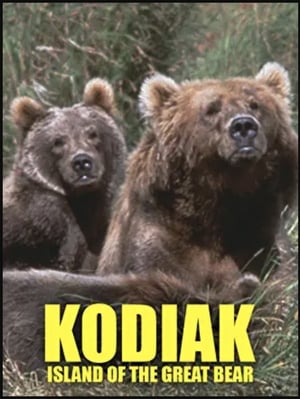
Kodiak Island in the Gulf of Alaska is home to the largest bear on earth, the Kodiak Bear. At least 2,500 bears live on the island and the animal is regarded as the world’s biggest land predator, reaching an impressive four meters in height when standing on its hind legs. Film maker Stefan Quinth spent three years filming the Kodiak Bear and the wildlife of Kodiak Island. His film is a dramatic story about bear and salmon, beavers and eagles. But it is also a film about the thrill of meeting the giant bear eye to eye in its natural habitat.
The sequel of feature-publicistic film «You Can’t Live Like That». Showing the countrymen charmless and sometimes scaring life picture of once great power with pain and anger, the author tries to uncover the reason of the country’s and nation’s tragedy.
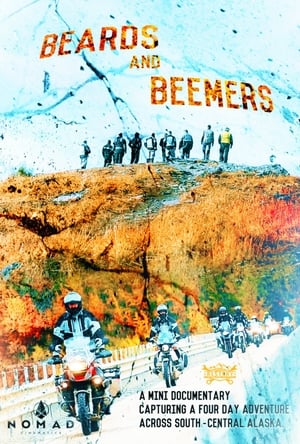
A mini documentary following a group of motorcycle adventurers on a four-day journey across south-central Alaska.
The Tlingit and Haida people of Alaska were confused by the idea of America “buying” the land they lived on from the Russians. They would be among the first native people to make a successful claim on their homeland and rights.