The recording of a concert by the Martinů Voices vocal choir, conducted by Lukáš Vasilek, at St. Wenceslas Church in Opava presents listeners with a repertoire of famous spirituals in spectacular and virtuoso jazz arrangements. Spirituals, a phenomenon of American culture, gained popularity primarily for their catchy melodies and rhythms, which formed the basis for the emergence of jazz in the early 20th century. The program features mainly arrangements by Henry Thacker Burleigh, an African-American composer whose spiritual music influenced the work of Antonín Dvořák, among others.
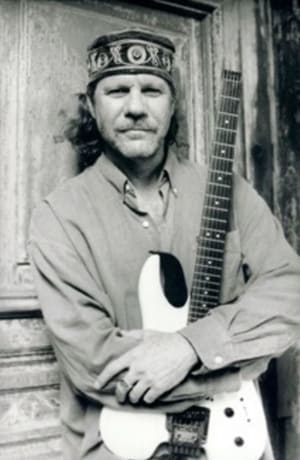
The young American Pablo Menéndez came to Cuba to study Music at the National School of Art. Here he formed a family and became one more Cuban. Member of the Sound Experimentation Group of ICAIC and promoter of the teaching of the electric guitar in Cuba, he is, together with his group Mezcla, one of our most original musicians.
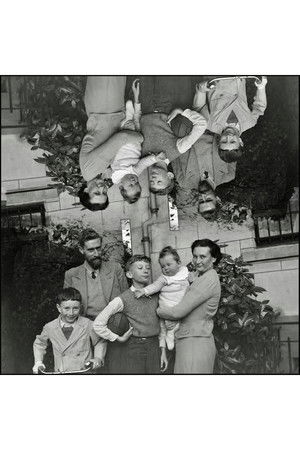
George Escher, eldest son of M.C. Escher, shares personal stories of growing up in Rome and witnessing his father at work.
All You Can Eat is a brief yet captivating short film that highlights the hungry moments shared between Brylee and his partner as they enjoy a sushi date together at Trapper's Sushi.
After the death of Emperor Marcus Aurelius, his devious son takes power and demotes Maximus, one of Rome's most capable generals who Marcus preferred. Eventually, Maximus is forced to become a gladiator and battle to the death against other men for the amusement of paying audiences.
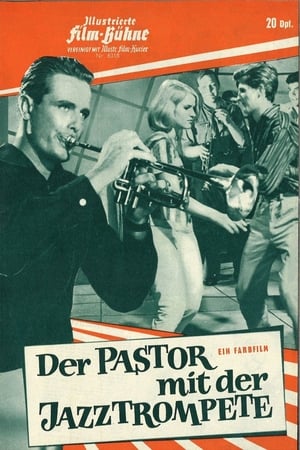
When the Lutheran pastor Roland retires, the young priest Roll shall replace him. He plays the trumpet, loves Jazz and his methods are unconventional: From the first day on he offends the village's notables, but he doesn't care so much since he especially targets the youths, wants them to get back to the church again. However the mayor agitates against him, manages to endanger Roll's success. The conflict leads to vandalism and open violence against Roll.
The perfect movie DOES exist! Doug and Carol travel to the port city of Milan, where they have to solve a series of murders committed by a masked slasher at an Italian Fertility Festival. And Soviet Spies. INTERPOL’s there, too.
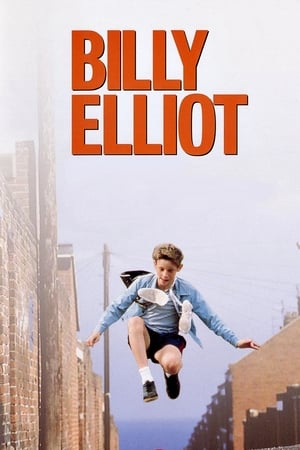
County Durham, England, 1984. The miners' strike has started and the police have started coming up from Bethnal Green, starting a class war with the lower classes suffering. Caught in the middle of the conflict is 11-year old Billy Elliot, who, after leaving his boxing club for the day, stumbles upon a ballet class and finds out that he's naturally talented. He practices with his teacher Mrs. Wilkinson for an upcoming audition in Newcastle-upon Tyne for the royal Ballet school in London.
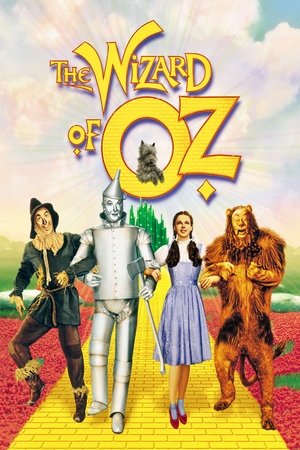
Young Dorothy finds herself in a magical world where she makes friends with a lion, a scarecrow and a tin man as they make their way along the yellow brick road to talk with the Wizard and ask for the things they miss most in their lives. The Wicked Witch of the West is the only thing that could stop them.
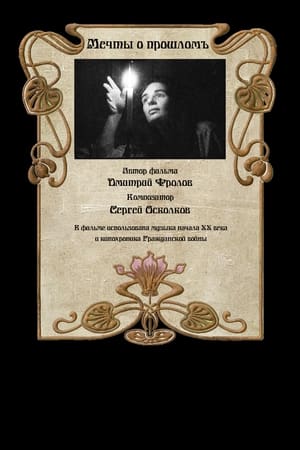
A film about peace, love and war. Dedicated to the 100th anniversary of the end of the Civil War in Russia. The film takes place at the end of the summer of 1917, when Russia and the whole world were at a crossroads between two eras. None of the people could even imagine how much his life would change in the very near future. In a strange way, the atmosphere of the film echoes our current reality and what is happening in Russia today. According to the form of visualization, the film belongs to experimental mockumentary cinema. To give greater authenticity to what is happening on the screen, the shooting was carried out on black-and-white negatives of 16 and 35 mm, hand-operated cameras were used and the material was developed in manual spiral tanks. The documentary chronicle of the Kolchak army of 1919 and the White army in the Far East of 1922 is embedded in the finale of the film.
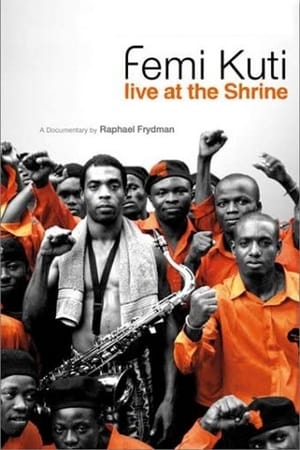
An unprecedented collection by Afrobeat legend Femi Kuti, Live At The Shrine includes both a concert film/DVD documentary and a live concert CD, singularly conveying the beauty and joy of Afrobeat music – a combustible cocktail fusing jazz, funk, and traditional African music – while also communicating it’s fascinating roots and politics which began with Femi’s father Fela Kuti, the creator and godfather of Afrobeat. Live At The Shrine takes place in the Kuti family’s hometown of Lagos at the Africa Shrine, where every Sunday Femi plays to a packed house of revelers. With music as his weapon of choice and the Africa Shrine a temple of protest song, Femi continues his father’s fight, railing against the corrupt Nigerian government and staunchly defending PanAfricanism. Capturing this experience through interviews, street scenes, and the music itself, Live At The Shrine captures the spirit, passion, and hope, of a man and a people who are fighting.
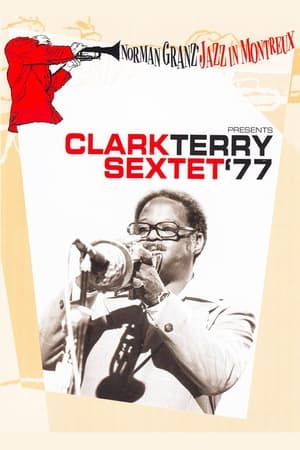
Clark Terry has been described as 'possessor of the happiest sound in jazz'. A veteran of Duke Ellington's orchestra, he began to perform as a soloist in the sixties and established a reputation as one of the great teachers of jazz music, which continues to the present day. In this performance from 1977, he is joined by an all star band including Oscar Peterson, Ronnie Scott, Niels Pedersen, Joe Pass, Bobby Durnham and Milt Jackson.
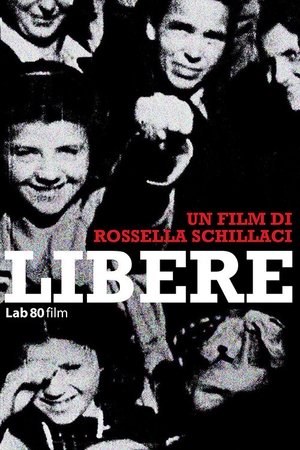
Libere
A scientist in a surrealist society kidnaps children to steal their dreams, hoping that they slow his aging process.
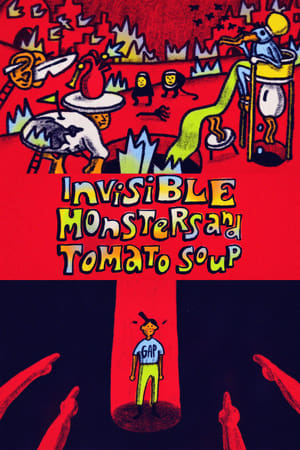
A batch of mushy sourdough. Two radioactive lizards. Three cans of Campbell’s tomato soup. When COVID-19 lockdowns began in 2020, people around the world began reporting more vivid dreams.
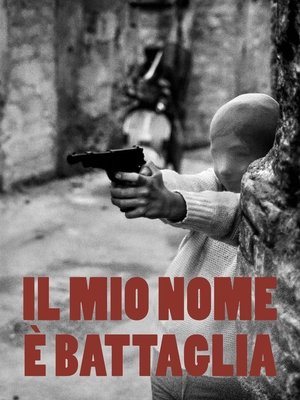
Il mio nome è Battaglia
Disciplined Italian composer Antonio Salieri becomes consumed by jealousy and resentment towards the hedonistic and remarkably talented young Salzburger composer Wolfgang Amadeus Mozart.
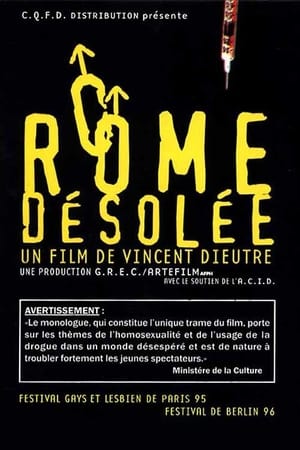
Chronicles of a male homosexual drug addict in 1980's in voice-over with long take scenes from Rome, television snippets of news of Gulf War and commercials.
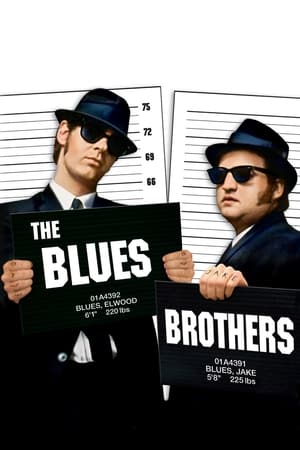
Just released from prison, Jake Blues puts his old band back together with his brother Elwood to save the Catholic home where they were raised.
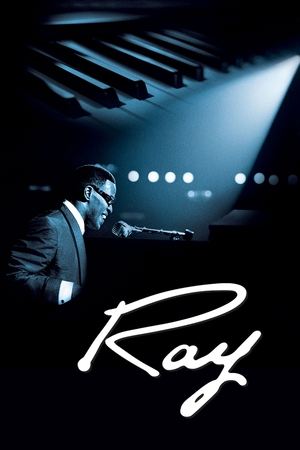
Born on a sharecropping plantation in Northern Florida, Ray Charles went blind at seven. Inspired by a fiercely independent mom who insisted he make his own way, He found his calling and his gift behind a piano keyboard. Touring across the Southern musical circuit, the soulful singer gained a reputation and then exploded with worldwide fame when he pioneered coupling gospel and country together.